Off the Map Philippines Adventures: Ten Regions Most Tourists Never See
culture08-07-2026
Most visitors to the Philippines see the same handful of places: Manila, Cebu, Boracay, Palawan, Siargao, Bohol. They are popular for good reasons, but they are a small fraction of a country of more than 7,000 islands and dozens of distinct cultures.
Over the past ten weeks, our Off the Map Philippines Adventures series has looked at ten regions that rarely appear on a first-timer’s itinerary—places with their own languages, festivals, crafts, food, and history, and with very few foreign visitors. This post collects them in one place.
Why Go Off the Map?
- Culture that is lived, not staged. In most of these places, festivals and traditions happen for the community, not for tourists.
- Fewer crowds, lower prices. You will share beaches, waterfalls, and viewpoints with locals rather than tour groups.
- A better sense of the real Philippines. If you are thinking about living here, the provinces are where most Filipinos actually live.
The trade-off is real, too: fewer flights, more weather-dependent ferries, patchier internet, and more limited healthcare. Each post in the series includes a practical “For Expats and Visitors” section for exactly that reason.
The Ten Regions
Batanes — The Edge of the Philippines
The northernmost and smallest province in the country, closer to Taiwan than to Manila. The Ivatan people built stone houses with thick walls and grass roofs to survive the typhoons that cross these islands, and still wear the vakul, a headdress of woven palm fiber, against sun and rain. Rolling green hills, sea cliffs, and lighthouses make it one of the most photogenic provinces in the country. Getting there means flying, usually from Manila.
Read: Batanes — Stone Houses, Vakul, and the Edge of the Philippines
Catanduanes — The Land of the Howling Winds
An island off the Bicol peninsula that takes the first hit from many Pacific typhoons—and has built a culture around enduring them. It is one of the country’s leading producers of abaca, the fiber used for rope and specialty paper, and its east coast has some of the most respected surf in the Philippines. Reach it by flight to Virac or by ferry from Tabaco, Albay.
Read: Catanduanes — Abaca, Big Waves, and the Land of the Howling Winds
Marinduque — The Moriones and the Putong
A small, heart-shaped island south of Luzon, famous for one week a year: Holy Week, when the Moriones—men in carved wooden masks dressed as Roman soldiers—take to the streets. The rest of the year, look for the putong, a crowning ritual for honored guests, and the island’s arrowroot cookies. Most people arrive by RoRo ferry from Lucena.
Read: Marinduque — Masks, Crowns, and the Heart of the Archipelago
Romblon and Sibuyan — Marble and the “Galápagos of Asia”
A scatter of islands in the Sibuyan Sea known nationally for marble. Romblon town has Spanish-era forts and a cathedral, and the January Biniray festival carries the Santo Niño by sea. Sibuyan Island, with Mt. Guiting-Guiting and some of the most intact forest in the country, is a biodiversity hotspot—and the center of a long-running fight over mining. Most visitors arrive by overnight ferry from Batangas.
Read: Romblon and Sibuyan — Marble, a Wandering Santo Niño, and the Galápagos of Asia
Guimaras — Mangoes and Monks
A small island a short boat ride from Iloilo City, with a reputation for the sweetest mangoes in the country and strict rules to keep mango pests out. Look for the Manggahan Festival in May, a Good Friday passion play at Balaan Bukid, a Trappist monastery that sells mango products, and quiet islands off the southern coast. It is the easiest region in this series to reach.
Read: Guimaras — Mangoes, Monks, and a Short Ferry Ride from Iloilo
Masbate — Cowboys in the Middle of Everything
A province at the geographic center of the Philippines with a cattle-ranching culture that is unusual in the Philippines, celebrated each year at Rodeo Masbateño. Add sun-dried beef tapa, the islands of Ticao and Burias, and marine sanctuaries. Masbate has a long history of election-related violence; check advisories and avoid election periods.
Read: Masbate — Cowboys, Cattle, and Islands in the Middle of Everything
Lake Sebu — The Home of the Dreamweavers
A cool highland town in South Cotabato, home to the T’boli people and their t’nalak, an abaca cloth whose patterns weavers say come to them in dreams. The lake itself, the Seven Falls, and T’boli brasswork and music are the main draws. Read the travel-advisory section carefully before planning a visit: some foreign governments advise against travel to South Cotabato.
Read: Lake Sebu — T’nalak, Seven Falls, and the Home of the Dreamweavers
Kalinga — Batok, Bodong, and Rice Terraces
A mountain province in the Cordillera of northern Luzon. Known abroad for batok, traditional hand-tapped tattooing in the village of Buscalan, Kalinga also has the bodong, a system of peace pacts between communities that still functions today, along with rice terraces, highland coffee, and whitewater on the Chico River. Expect a long overland journey from Manila.
Read: Kalinga — Batok, Bodong, and the Rice Terraces of the Chico River
Camiguin — The Island Born of Fire
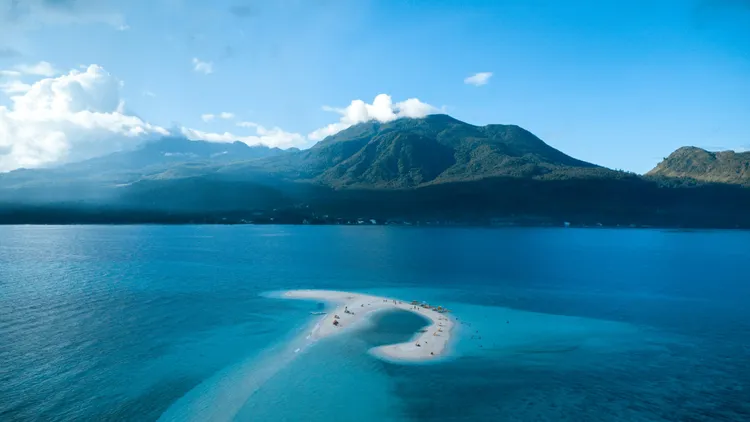
A small volcanic island in the Bohol Sea, ringed by hot and cold springs, waterfalls, and the Sunken Cemetery, marked by a large cross offshore. The October Lanzones Festival celebrates the island’s signature fruit, and the Lenten Panaad walk circles the island. Most visitors connect through Cagayan de Oro and take a ferry from Balingoan.
Read: Camiguin — The Island Born of Fire
Dinagat Islands — Lagoons, Nickel, and Recovery
One of the youngest provinces in the country, off the northeastern tip of Mindanao, with lagoons, limestone islets, and a distinctive religious history. It is also caught between nickel mining and conservation, and it is still rebuilding after Typhoon Odette (Rai) devastated it in December 2021. Reach it by boat from Surigao City.
Read: Dinagat Islands — Lagoons, Nickel, and a Province That Rebuilt Itself
Quick Reference
| Region | Island Group | Best Known For | Usual Way In |
|---|---|---|---|
| Batanes | Luzon (far north) | Stone houses, vakul, rolling hills | Flight from Manila |
| Catanduanes | Luzon (Bicol) | Abaca, surf, typhoons | Flight to Virac or ferry from Tabaco |
| Marinduque | Luzon (south) | Moriones Festival, putong | RoRo ferry from Lucena |
| Romblon & Sibuyan | Luzon (Sibuyan Sea) | Marble, Biniray, Mt. Guiting-Guiting | Overnight ferry from Batangas |
| Guimaras | Visayas | Mangoes, Manggahan Festival | Short boat ride from Iloilo City |
| Masbate | Visayas/Bicol | Rodeo Masbateño, cattle ranching | Flight or ferry from Pio Duran, Albay |
| Lake Sebu | Mindanao | T’boli culture, t’nalak, Seven Falls | Road from General Santos City |
| Kalinga | Luzon (Cordillera) | Batok tattooing, bodong, rice terraces | Long bus ride from Manila |
| Camiguin | Mindanao (Bohol Sea) | Volcanoes, Sunken Cemetery, Lanzones | Ferry from Balingoan or Jagna |
| Dinagat Islands | Mindanao (northeast) | Lagoons, islets | Boat from Surigao City |
Schedules, routes, and advisories change often. Each post has the details; confirm them before you go.
Also Worth Reading
The series grew out of our post on traditions unique to Samar Island—kuratsa, scarecrow festivals, banig weaving, and Samar Island Natural Park—which belongs on any list of overlooked regions. For the background that ties all of these places together, see our Filipino Culture page and our posts on Filipino Languages and the Filipino Fiesta.
Practical Tips for Going Off the Map
- Build in slack. Ferries are cancelled for weather, flights are dropped, and roads close after heavy rain.
- Bring cash. ATMs can be scarce or empty in smaller towns.
- Check advisories. Look at your own government’s travel advice, as well as local news, especially for Mindanao and during election periods.
- Plan for healthcare gaps. Know where the nearest hospital is, and consider travel insurance that covers medical evacuation. See The State of Philippines Healthcare.
- Expect slower internet. Coverage is improving, but it is uneven outside the larger towns.
- Respect local customs. Indigenous communities, sacred sites, and religious events have their own rules. Ask before photographing people, and hire local guides where they are required.
Summary
The Philippines is far bigger than its famous beaches. These ten regions—from the stone villages of Batanes to the lagoons of Dinagat—each offer something that you will not find on the standard tourist circuit. They take more effort to reach, but that effort is exactly why they still feel like themselves.
Thinking of Moving to the Philippines? Get Reliable Guidance
Online communities are helpful for general questions. For anything important, you still need accurate, professional, and updated information. E636 Expat Services helps foreigners with:
- Residency and long term visas
- Bank account opening
- Health insurance guidance
- Real estate assistance
- Business setup
- Retirement planning
- A smooth and secure transition into life in the Philippines
If you want to move with confidence instead of relying on random comments online, we can guide you every step of the way.
Book a consultation with E636 and start your journey the right way.
Image credits (via Unsplash, free under the Unsplash License):
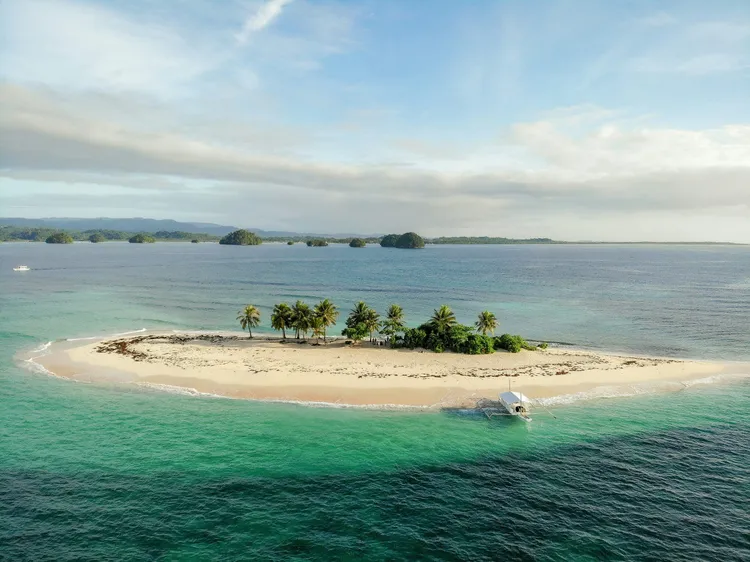
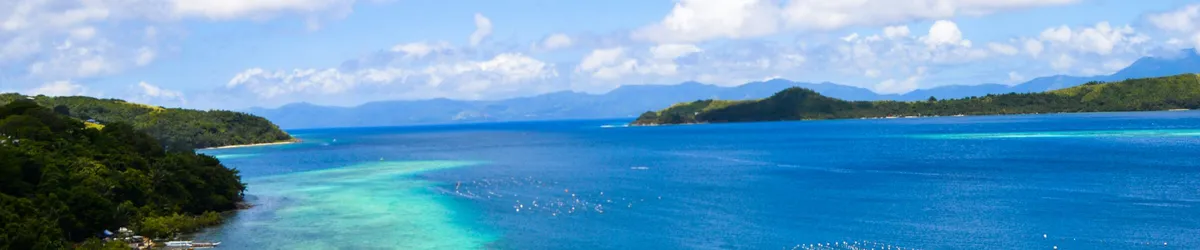
- Top image (Romblon): “green trees near blue sea under blue sky during daytime” by Cristina Ong