Philippines Digital Nomad Visa: 2026 Edition
expats 14-02-2026
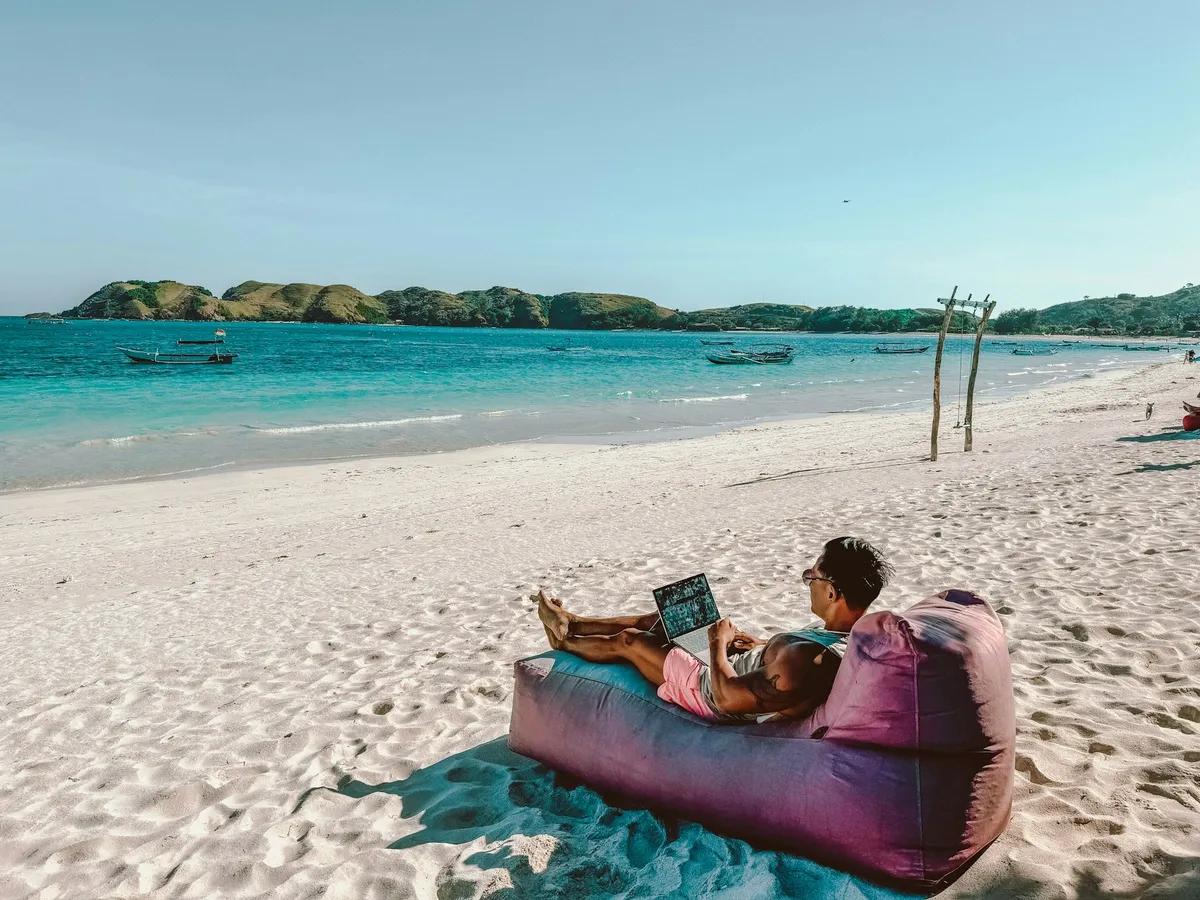
If you’ve been eyeing the beaches of Philippines while answering Slack messages and cashing overseas invoices, you’re not alone.
The Philippines has been moving toward a Digital Nomad Visa (DNV) framework aimed at remote workers, freelancers, and online business owners who earn income from outside the country. While rollout details and implementing rules can evolve, here’s what you should understand before you start booking one-way tickets.
Again, this is not a visa option that you can apply for yet, but it is coming.
The Filipino Digital Nomad Visa was authorized by Executive Order 86 s. 2025.
1. What Is the Digital Nomad Visa?
A Digital Nomad Visa is a temporary residency visa allowing foreign nationals to legally stay in the Philippines while working remotely for:
- A foreign employer
- Overseas clients
- A company registered outside the Philippines
It is not designed for:
- Working for a Philippine company
- Starting a local business that serves the Philippine market
- Taking local employment
If you want to do those things, you’re in 9G work visa or investment visa territory — completely different process.
2. Who Is It For?
The typical applicant would:
- Works fully online
- Earns income from outside the Philippines
- Has a stable, verifiable income
- Has valid health insurance
- Has no serious criminal record
The published requirements (from the executive order) are:
- Must be at least 18 years of age;
- Must show proof of remote working using digital technology;
- Must show proof of sufficient income which is generated outside fo the Philippines;
- Must show proof of no criminal record;
- Must have heath insurance valid for the period of the DNV;
- Must be a national of a country that offers DNVs to Filipinos and where the Philippines has a Foreign Service Post (Embassy, Consulate).
- Must not pose threat to the interanl or external security of the PHilippines; and
- Must not be employed in the Philippines.
We can also infer the following requirements:
- Valid passport
- Bank statements
- Information about the nature of your woork
It’s meant to attract remote professionals who will spend money locally without competing in the local labor market.
3. How Long Can You Stay?
Most digital nomad programs globally allow 6 months to one year initial stay with a possible renewal for another year.
The Philippines has historically been flexible with visa extensions (tourist visas can already be extended long-term), so expect similar flexibility — but structured.
4. Taxes: The Question Everyone Actually Cares About
Here’s the important part.
The visa is intended for people earning foreign-sourced income.
Under Philippine tax rules, non-resident foreign nationals are generally taxed only on Philippine-sourced income.
If you:
- Are paid by foreign clients
- Are not conducting business in the Philippines
- Are not employed by a Philippine entity
You may not trigger local income tax obligations.
However:
- Spending more than 180+ days can affect tax residency analysis.
- Opening a local company changes everything.
- “Doing business” locally is different from “working remotely.”
5. How It Compares to Just Extending a Tourist Visa
Many remote workers already stay in the Philippines using long-term tourist visa extensions.
The difference with a Digital Nomad Visa:
| Tourist Extensions | Digital Nomad Visa |
|---|---|
| Designed for tourism | Designed for remote work |
| Requires regular in-person extensions | Longer validity |
| Ambiguous for remote work | Clear legal framework |
| Not built for professionals | Policy support for remote earners |
The DNV gives you clarity and legitimacy.
6. Potential Challenges
Let’s not romanticize it.
Philippine bureaucracy can be document-heavy.
Processing timelines may vary.
Banking can require in-person compliance.
Infrastructure outside major hubs can be inconsistent.
If you’re expecting Estonia-level digital processing…temper your expectations.
9. Is It Worth It?
If you:
- Earn stable foreign income
- Want Southeast Asia without Thai visa stress
- Prefer English-speaking environments
- Like lower living costs with Western comforts
Then, yes, it can be very attractive.
If you’re scraping together gig income and hoping paradise fixes your finances?
It won’t.
Final Thoughts
The Philippines is positioning itself as a serious remote-work destination. A formal Digital Nomad Visa would:
- Clarify tax position
- Reduce visa stress
- Encourage long-term stays
- Boost local spending
For remote professionals looking at Asia, it’s a country worth watching closely.
Before applying:
- Confirm the latest implementing rules.
- Review your tax exposure in your home country.
- Ensure your income documentation is clean and consistent.
Because nothing ruins island life faster than immigration paperwork problems.
Thinking of Moving to the Philippines? Get Reliable Guidance
Online communities are helpful for general questions. For anything important, you still need accurate, professional, and updated information. E636 Expat Services helps foreigners with:
- Residency and long term visas
- Bank account opening
- Health insurance guidance
- Real estate assistance
- Business setup
- Retirement planning
- A smooth and secure transition into life in the Philippines
If you want to move with confidence instead of relying on random comments online, we can guide you every step of the way.
Book a consultation with E636 and start your journey the right way.
Photo by Johnny Africa on Unsplash