For the Love of Notary Public Services in the Philippines
culture 09-02-2026
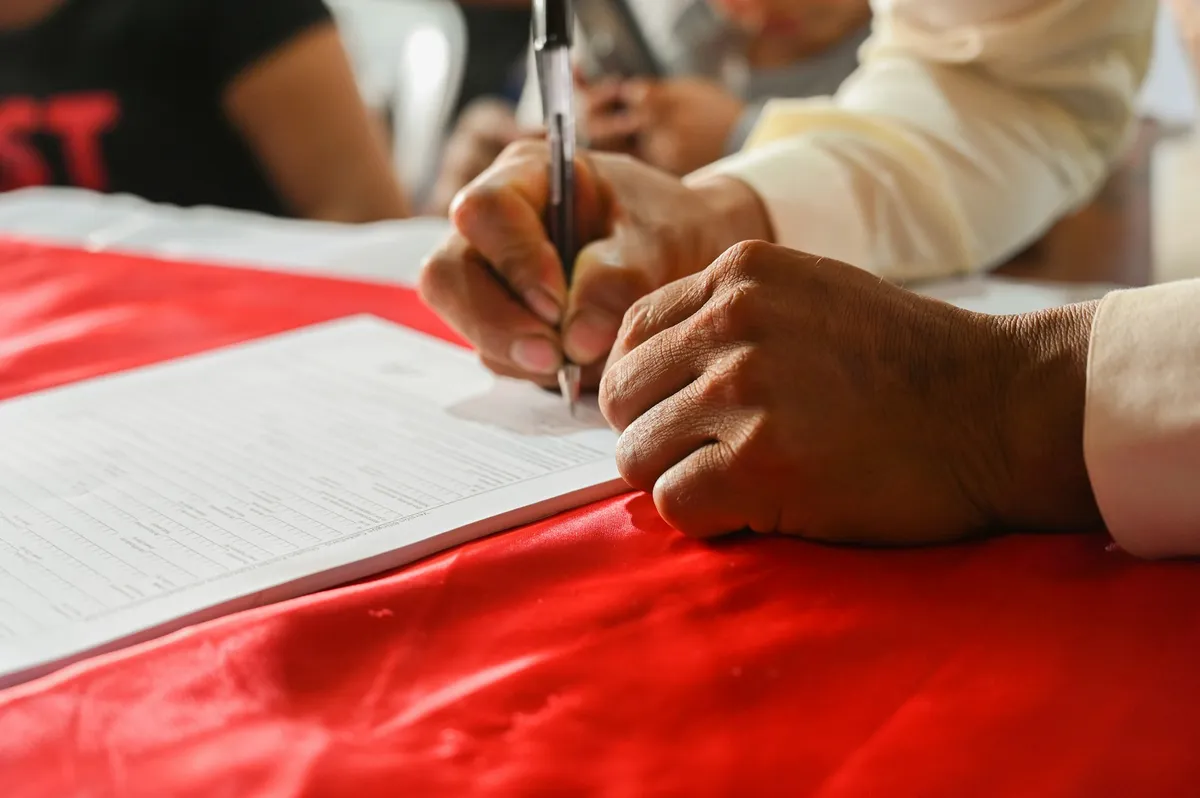
If you’ve spent any time dealing with Philippine government offices, banks, utilities, or even private corporations, you’ve likely encountered a familiar refrain:
“Sir/Ma’am, this needs to be notarized.”
- Not signed.
- Not emailed.
- Not digitally verified.
Notarized. With a wet signature. On paper. In person.
For expats and returning Filipinos—especially those coming from countries where digital signatures, identity verification apps, and online portals are the norm—this can feel baffling, redundant, and sometimes absurd. Why does a country with widespread smartphone use and modern banking apps still lean so heavily on a centuries-old legal ritual involving a stamp, a logbook, and a lawyer?
Let’s unpack what’s going on.
What Notarization Is Supposed to Do
In theory, notarization serves three purposes:
- Verify identity of the person signing
- Confirm voluntary consent (you weren’t coerced)
- Create a legally recognized record of the document
In many countries, this is reserved for:
- Property transfers
- Wills
- Power of attorney
- High-value contracts
In the Philippines, however, notarization is routinely required for things like:
- Simple authorization letters
- Bank forms
- Utility account changes
- Corporate secretary certificates
- Government applications
- Affidavits for matters that could be handled with a standard declaration
- Routine corporate paperwork
- Even documents already signed in front of the receiving office
This is where the disconnect begins.
The Root Cause: A Low-Trust Environment
The overuse of notarization isn’t random. It’s a symptom.
The Philippines operates in what can best be described as a low-trust administrative environment. Forged signatures, falsified IDs, and fraudulent documents have historically been common enough that institutions default to the most defensible position possible:
“If it’s notarized, we’re covered.”
Notarization becomes less about verifying truth and more about shifting liability. Once a document is notarized, the receiving office feels protected. If something turns out to be false, the blame shifts to the notary and the person who signed.
It’s bureaucratic risk management, not legal necessity.
Institutional Inertia (and a Legal Culture That Rewards Paper)
Philippine law, courts, and administrative agencies have long treated notarized documents as a gold standard of evidence. Over time, this created a culture where:
- Staff are trained to ask for notarization by default
- Internal checklists include it whether required by law or not
- No employee ever gets in trouble for asking for notarization
- An employee can get in trouble for accepting a document without it
So notarization spreads—not because statutes require it, but because no one wants to be the person who didn’t ask for it.
A Side Industry Nobody Talks About
There’s also a quiet economic ecosystem around this practice.
Notaries are everywhere. Outside government offices. Near banks. Beside immigration buildings. On almost every commercial block in major cities.
Because demand is constant.
What should be a rare legal service becomes a routine transactional step, and entire micro-businesses depend on the fact that:
- The system requires paper to move.
- This isn’t corruption. It’s simply a normalized part of the process now.
The Digital Disconnect
Here’s the irony: the Philippines is highly digital in daily life.
- Online banking is common
- E-wallets are everywhere
- Government portals exist
- IDs have QR codes
- Biometrics are used in immigration
Yet when it comes to documents, institutions still default to:
- Photocopies of IDs
- Wet signatures
- Physical presence
- Notary stamps
An expat can open a bank app, move money internationally, verify identity through biometrics… but must physically visit a notary to authorize someone to pick up a document.
Why Expats Feel This Pain More
Foreigners, balikbayans, and overseas Filipinos run into this constantly because:
- They are often not physically present
- They expect email authorization to work
- They are used to DocuSign, Adobe Sign, and digital verification
- They don’t understand why a passport copy isn’t sufficient
- They don’t understand why a notarized document from abroad may still be questioned
This leads to delays, courier costs, embassy visits, and a lot of confusion.
The Hidden Cost
This practice creates real friction:
- Slower business processes
- Delayed government transactions
- Extra costs for individuals and companies
- Mountains of unnecessary paper
- Frustration for foreign investors and expats
- Administrative bottlenecks for corporations themselves
Ironically, the system designed to prevent fraud often slows legitimate activity far more than it stops bad actors.
Is It Legally Required? Often, No.
In many cases, notarization is not required by law.
It’s required because:
- “That’s how we do it”
- “That’s what we’ve always asked for”
- “Head office requires it”
- “The checklist says notarized”
This is cultural bureaucracy, not statutory necessity.
Will This Change?
Slowly.
There are pushes toward digital government services, electronic signatures, and modernization. But the legal culture, risk aversion, and decades of administrative habit mean notarization will likely remain a default for years to come.
Change requires:
- Updated internal policies
- Acceptance of digital identity verification
- Staff retraining
- Legal recognition of digital processes in practice, not just on paper
That’s a long road.
How to Survive It as an Expat or Business Owner
The best strategy is simple:
- Assume anything important will need notarization
- Keep multiple ID copies ready
- Build extra time into processes
- Know where the nearest notary is
- When in doubt, notarize it first and save yourself a return trip
Because in the Philippines, the fastest way through the system is often:
One more stamp.
Thinking of Moving to the Philippines? Get Reliable Guidance
Online communities are helpful for general questions. For anything important, you still need accurate, professional, and updated information. E636 Expat Services helps foreigners with:
- Residency and long term visas
- Bank account opening
- Health insurance guidance
- Real estate assistance
- Business setup
- Retirement planning
- A smooth and secure transition into life in the Philippines
If you want to move with confidence instead of relying on random comments online, we can guide you every step of the way.
Book a consultation with E636 and start your journey the right way.
Photo by Sollange Brenis on Unsplash