Rural Philippines Infrastructure
culture 25-01-2026
Rural Infrastructure in the Philippines: Progress, Challenges, and Everyday Reality
When you think about the Philippines, images of powder-white beaches and high-rise skylines might come to mind first. But for millions of Filipinos—and for the growing community of expats living outside the major cities—the backbone of life is in the rural provinces. Here, infrastructure isn’t just about convenience; it’s about access to education, healthcare, economic opportunity, and basic dignity.
This blog looks at the current state of rural infrastructure in the Philippines, highlights progress that’s been made, and identifies the practical challenges that remain.
Why Rural Infrastructure Matters
The Philippines is an archipelago of more than 7,600 islands, with dozens of provinces, many separated by water or mountains. This geography makes building and maintaining roads, bridges, power grids, and internet networks particularly expensive and challenging.
Strong infrastructure in the provinces is foundational for:
- Economic growth (agriculture, tourism, small business)
- Access to healthcare and education
- Disaster resilience
- Improved quality of life
In rural areas, where farming and fishing often dominate local economies, infrastructure connects communities to markets, services, and opportunities.
Current Strengths and Progress
1. Road and Bridge Construction
Over the past decade, national and local governments have invested in expanding road networks out of congested urban centers and deeper into rural provinces.
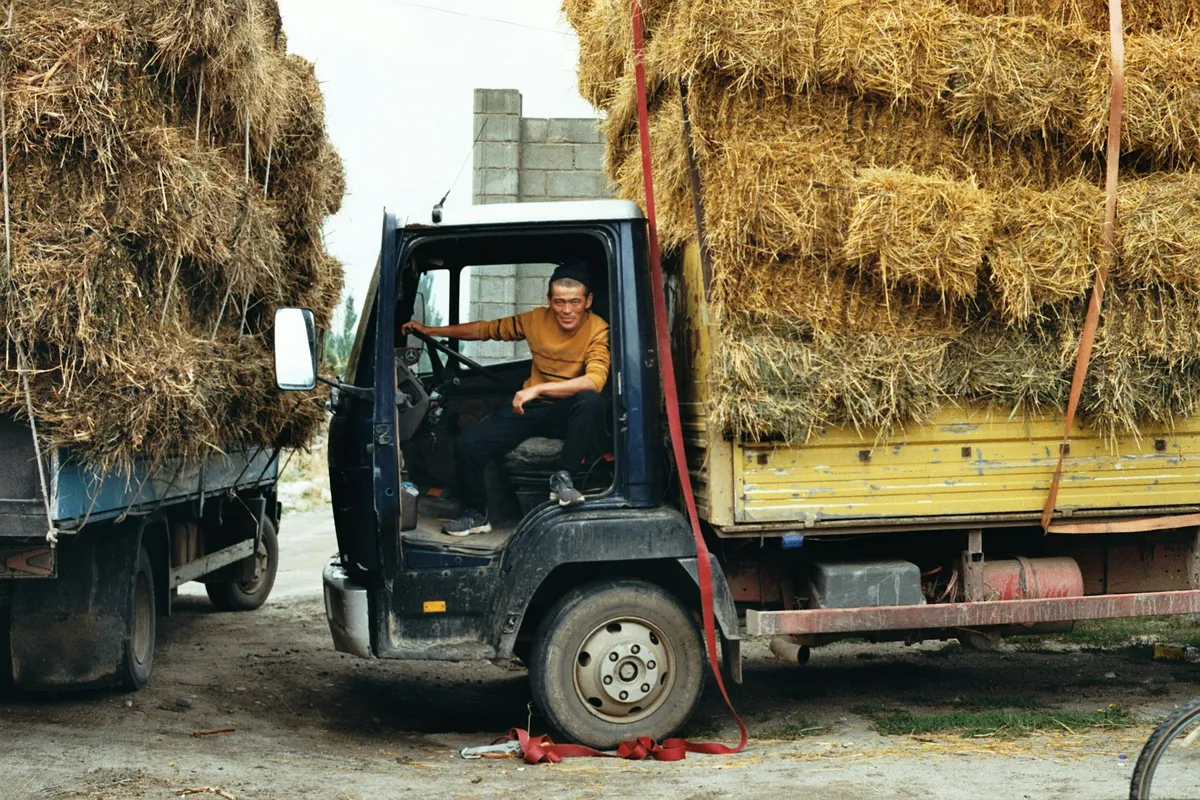
Farm-to-market roads have been a priority, improving access for agricultural communities.
New bridges have replaced risky ferries or long detours in many regions.
These projects help farmers get produce to buyers faster and reduce transportation costs.
Practical result: People in rural areas can now reach schools, hospitals, and markets with fewer delays and risks.
2. Electrification Expansion
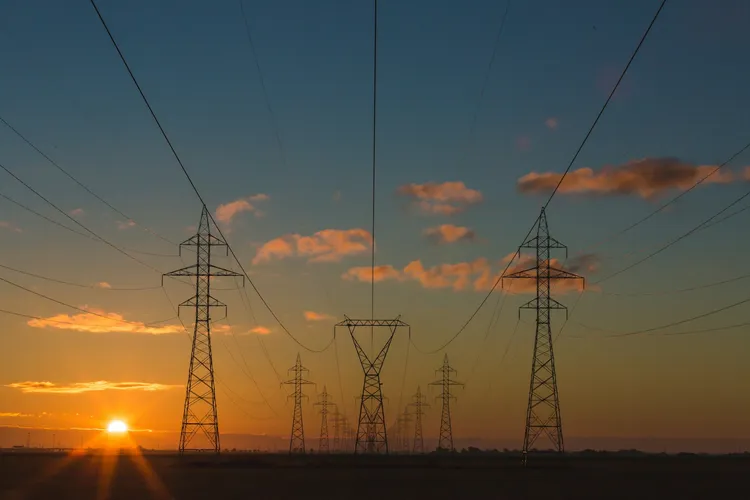
The Philippines has made strong gains in rural electrification, with millions of households connected to the grid that were previously unserved.
Most rural towns have access to electricity.
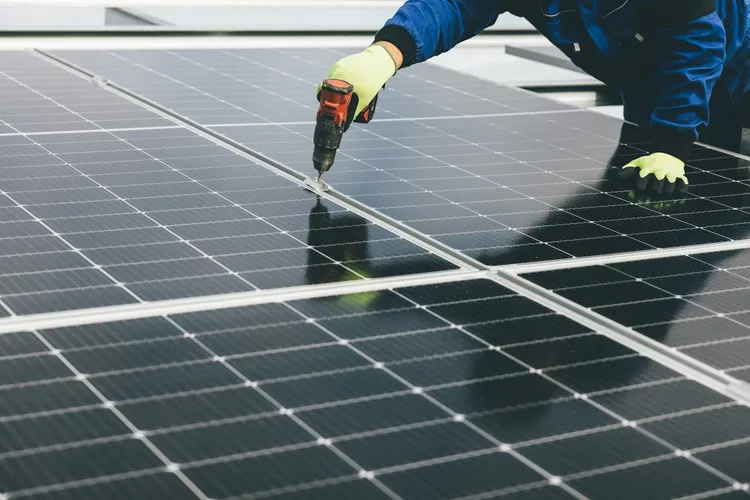
Solar and micro-grid projects are supplementing the national grid in isolated areas.
Electricity powers businesses, schools, and makes homes safer and more productive.
3. Telecommunications and Internet Connectivity
Internet access has spread dramatically, even in smaller towns.
Mobile signal coverage has increased thanks to investments by major telcos.
3G and 4G access are now common outside provincial capitals.
This connectivity allows for online education, e-commerce, remote work opportunities, and better communication during emergencies.
Persistent Challenges in Rural Provinces
Despite progress, infrastructure in rural areas still faces several tangible limitations:
1. Quality and Maintenance of Roads
Many rural roads remain unpaved or poorly maintained.
After heavy rains or typhoons, some routes become muddy, flooded, or impassable.
Bridges in remote areas may be narrow or lack safety features.
For residents and expats who rely on motorcycles, vans, or tricycles for daily travel, deterioration can be more than inconvenient—it can be dangerous.
2. Uneven Internet Reliability
Connectivity exists, but quality varies widely.
Some areas get frequent outages during storms.
Speeds can be slow in more remote towns or on less popular networks.
Fiber broadband is often available only in provincial capitals.
For digital nomads or remote workers outside urban centers, planning backup connectivity (mobile hotspots, multiple SIMs) is common.
3. Water and Sanitation
Clean and reliable water access continues to be a challenge in some rural communities.
- Many rely on wells, local springs, or community pumps.
- Water quality and consistent supply can fluctuate with seasonality and rainfall.
Sanitation infrastructure (sewer systems, treatment) is often limited or absent, leaving gaps in public health resiliency.
4. Healthcare Access
Infrastructure isn’t just roads and internet— it’s systems too.
- Rural hospitals and clinics may be understaffed or under-resourced.
- Emergency transport over long distances can be slow.
- Some medical services require travel to provincial cities.
While telemedicine helps, in-person care remains critical and sometimes hard to access.
Infrastructure Through the Lens of Everyday Life
For many rural residents—and expats who choose off-the-beaten-path living—these infrastructure realities mean:
- Buffer time for travel during rainy seasons
- Dependence on generators during power interruptions
- Careful planning for connectivity and work deadlines
- A mix of modern access and old-school resourcefulness
And yet, the rural provinces also offer a quality of life many find worth the trade-offs: close community ties, lower cost of living, and easier access to nature.
Where Things Are Headed
The Philippine government has outlined ambitious programs under initiatives like “Build, Build, Build” and its successors, emphasizing infrastructure expansion nationwide. Rural electrification, digital connectivity, and climate-resilient construction are ongoing priorities.
Private initiatives—like community-run water systems, solar microgrids, and local broadband cooperatives—also help fill gaps.
Final Thoughts
Rural infrastructure in the Philippines is a mix of real progress and real work left to do. For visitors, expats, and long-term residents, the landscape is one of opportunity and challenge. Roads lead deeper into welcoming communities, power hums through once-dark villages, and internet signals bring the world closer.
But the infrastructure journey isn’t finished yet. For all its beauty and potential, rural Philippines still needs continued investment, thoughtful policy, and community participation to ensure that quality of life rises alongside economic opportunity.
Thinking of Moving to the Philippines? Get Reliable Guidance
Online communities are helpful for general questions. For anything important, you still need accurate, professional, and updated information. E636 Expat Services helps foreigners with:
- Residency and long term visas
- Bank account opening
- Health insurance guidance
- Real estate assistance
- Business setup
- Retirement planning
- A smooth and secure transition into life in the Philippines
If you want to move with confidence instead of relying on random comments online, we can guide you every step of the way.
Book a consultation with E636 and start your journey the right way.
Photo by Alessandro Sacchi on Unsplash