72-Hour Bug Out Bag For Expats In The Rural Philippines
prepping 02-01-2026
To be very clear, my primary plan is always to shelter in place during an emergency. We’ve got a small farm with a house built entirely out of concrete. It’s on an elevated position with a rock base—found that when we were digging the well—a few kilometers from the sea. The worst typhoon surges don’t reach our elevation. The immediate area does not flood. We have plenty of supplies in the event of an emergency and are reasonably self-sufficient for a few weeks. The girlfriend’s immediate family comes to our place when evacuation orders are issued (they live near the seashore), which happens often.
The unexpected will eventually happen and we’ll have to leave. Someday, the Philippines will experience its version off the Nu’uanu Slide event; so, we have this blog post.
Here’s a Philippines-specific 72-hour bug-out bag loadout, written for an expat in a rural coastal or near-coastal area evacuating due to tsunami or similar sudden natural disaster. You’re results will vary, but this gives you a starting point.
Note, this is evacuation, not wilderness survival and not armed fantasy. Besides, foreigners, generally, cannot own or posssess firearms under Filipino law.
Operating Assumptions
- Roads congested or partially blocked
- Power, water, cellular networks unreliable
- Sheltering may be informal (school, barangay hall, relative’s house)
- High heat, humidity, rain
- You may need to move fast and look non-threatening
1. Documents & Identity (Non-Negotiable)
- Waterproof pouch (on body, not just in bag):
- Passport (original)
- Visa / ACR-I Card copy (original if feasible)
- Printed emergency contacts (local + international)
- Printed local address and barangay contact
- Small notebook + pen
Optional, But Helpful
- Deck of cards (or similar item to pass the time). Time can pass very slowly while sitting in a government shelter listening to the wind during a typhoon.
Why
- Foreigners without documents lose mobility and options immediately.
2. Cash & Financial Access
- Cash: ₱5,000–₱15,000 in small bills. Possibly more.
- Split into 2–3 hidden locations on your person and bag.
- Two ATM cards (one stored in your bag; one stored on youer person; assume these may not work)
Why
- ATMs, power, and networks fail early. Cash resolves friction quietly.
3. Water & Hydration (Heat Kills Faster Than Hunger)
- 1–2 liters bottled water (immediate use)
- Collapsible water container (5–10 L)
- Water purification tablets or drops
- Electrolyte packets (heat + stress)
Why
- Evacuation centers often run short on potable water.
- I generally boil the water I drink even after it has gone through the multiple layers of filters at the house. Better to have good water ready to go.
4. Food (Simple, Heat-Tolerant, No Cooking)
72 hours, minimal weight
- Energy bars (no chocolate coating)
- Canned tuna / sardines (pull-tab)
- Peanut butter or nut packs
- Crackers or hard biscuits
I keep a supply of US MREs at the house. You can buy these on Shopee or Lazada (from highly-rated sellers).
Avoid
- Freeze-dried meals, cooking gear, bulky rations.
5. Clothing & Environmental Protection
Pack for heat + rain:
- Lightweight long-sleeve shirt (sun + mosquito)
- Durable pants
- Underwear (2–3)
- Socks (2–3)
- Compact rain poncho
- Hat / cap
Footwear
- Sturdy walking shoes or trail sandals
- NOT flip-flops for evacuation
6. Medical & Hygiene (This Is Where Evacuations Fail)
Personal medical kit
- Prescription meds (minimum 7 days)
- Pain relievers
- Anti-diarrheal
- Antihistamine
- Oral rehydration salts
- Cough drops
- Bug spray
First aid
- Bandages (assorted sizes)
- Antiseptic
- Gauze
- Medical tape
- tourniquet
Hygiene
- Toothbrush + paste
- Wet wipes
- Hand sanitizer
- Toilet paper (compressed roll)
Why
- Minor injuries + infection escalate fast in tropical conditions.
7. Communications & Power
- Fully charged phone
- I have a phone specifically dedicated to my bugout bag. It’s got a local eSIM with a minimum load to keep it active. I periodically charge this and keep it off.
- So, I’ll have to devices with me when I leave in a hurry.
- Power bank (10,000–20,000 mAh)
- Charging cables
- Small flashlight or headlamp
- Spare batteries (if applicable)
Optional but useful:
- Small AM/FM radio (local alerts)
8. Security & Low-Profile Safety
- Whistle (signal without shouting)
- Door wedge (temporary shelter security)
- Lightweight paracord (utility, not traps)
Avoid:
- Weapons, tactical gear, anything that attracts scrutiny.
9. Navigation & Local Awareness
- Printed local map (roads, elevation)
- Pre-identified evacuation routes
- List of higher-ground locations
Why:
- GPS and mobile data cannot be assumed.
10. Cultural & Social Friction Reducers
These matter more than most gear:
- Face mask (dust, smoke, crowd norms)
- Small towel (ubiquitous, useful, normal)
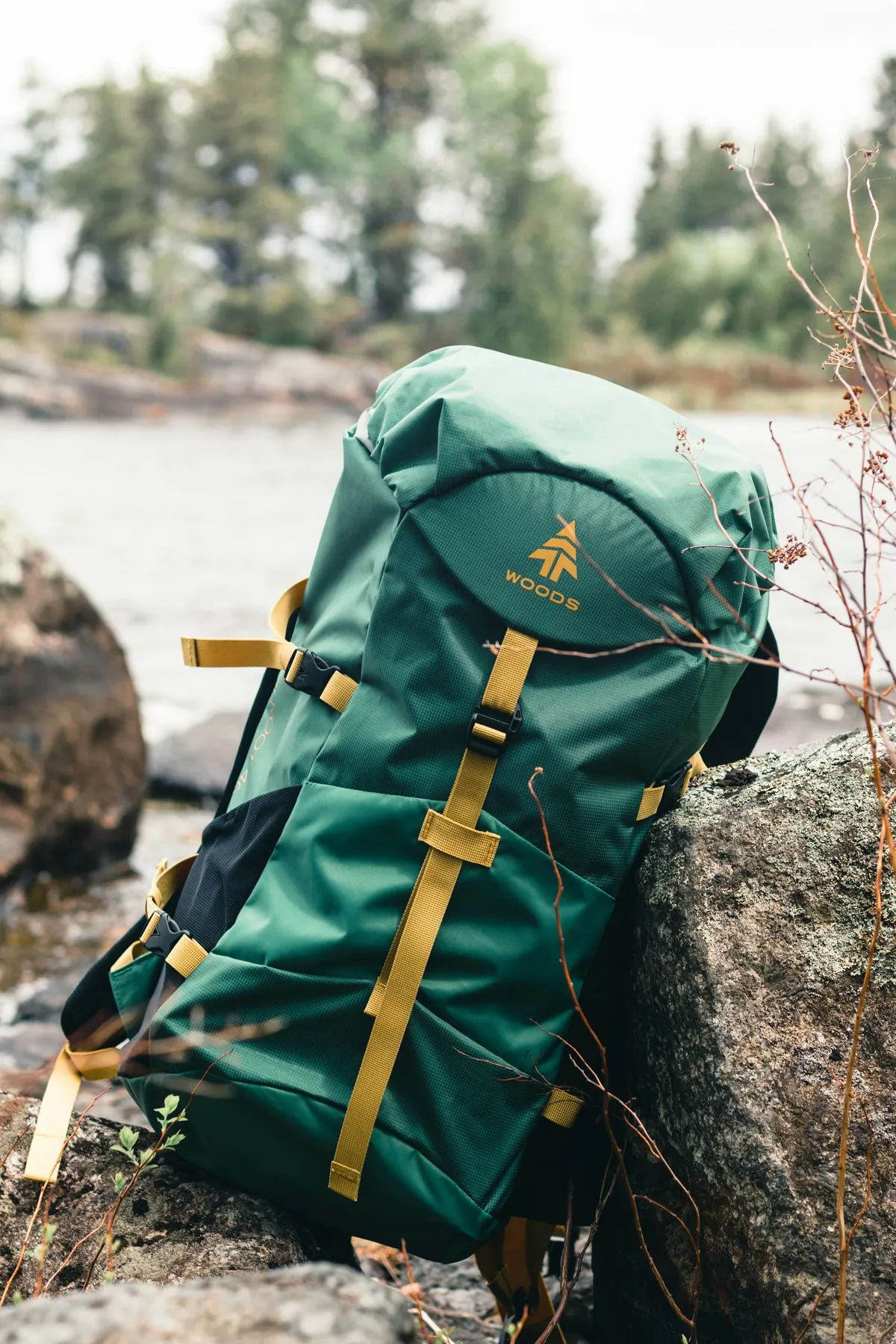
- Neutral backpack (no military or “prepper” look)
- Simple clothing (avoid standing out)
Why:
You are safest when you look like everyone else evacuating. Of course, if you are 6’4”, 275lbs, and caucasian, this may be a bit difficult in the rural Philippines. Do what you can.
11. The Bag Itself
- 30–40L backpack
- Water-resistant
- Comfortable straps
- Nothing tactical or flashy
Weight target:
- Under 10–12kg (22-26lbs) fully loaded
- Need to be mobile.
What NOT to Pack (Common Expat Mistakes)
- Firearms or “self-defense” displays
- Excess food or water (slows movement)
- Tools meant for homesteading, not evacuation
- Electronics you can’t power or protect
- Anything that marks you as wealthy or paranoid
Reality Check
A Philippine evacuation is:
- Crowded (my girlfriend once had to stand in a government evacuation shelter for eight hours in the dark durinig a typhoon, not really how I want to spend an emergency).
- Hot
- Social
- Improvised
The goal of this bag is:
- Maintain mobility
- Preserve identity
- Avoid medical problems
- Reduce friction
If you can walk for hours, stay hydrated, remain documented, and not draw attention—you’re doing it right.
Thinking of Moving to the Philippines? Get Reliable Guidance
Online communities are helpful for general questions. For anything important, you still need accurate, professional, and updated information. E636 Expat Services helps foreigners with:
- Residency and long term visas
- Bank account opening
- Health insurance guidance
- Real estate assistance
- Business setup
- Retirement planning
- A smooth and secure transition into life in the Philippines
If you want to move with confidence instead of relying on random comments online, we can guide you every step of the way.
Book a consultation with E636 and start your journey the right way.