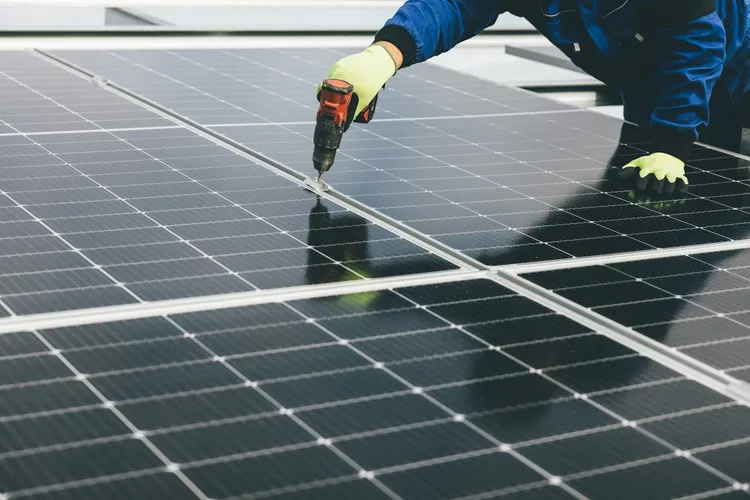
Essential Tools for Expats Living in the Rural Philippines
diy 21-12-2025
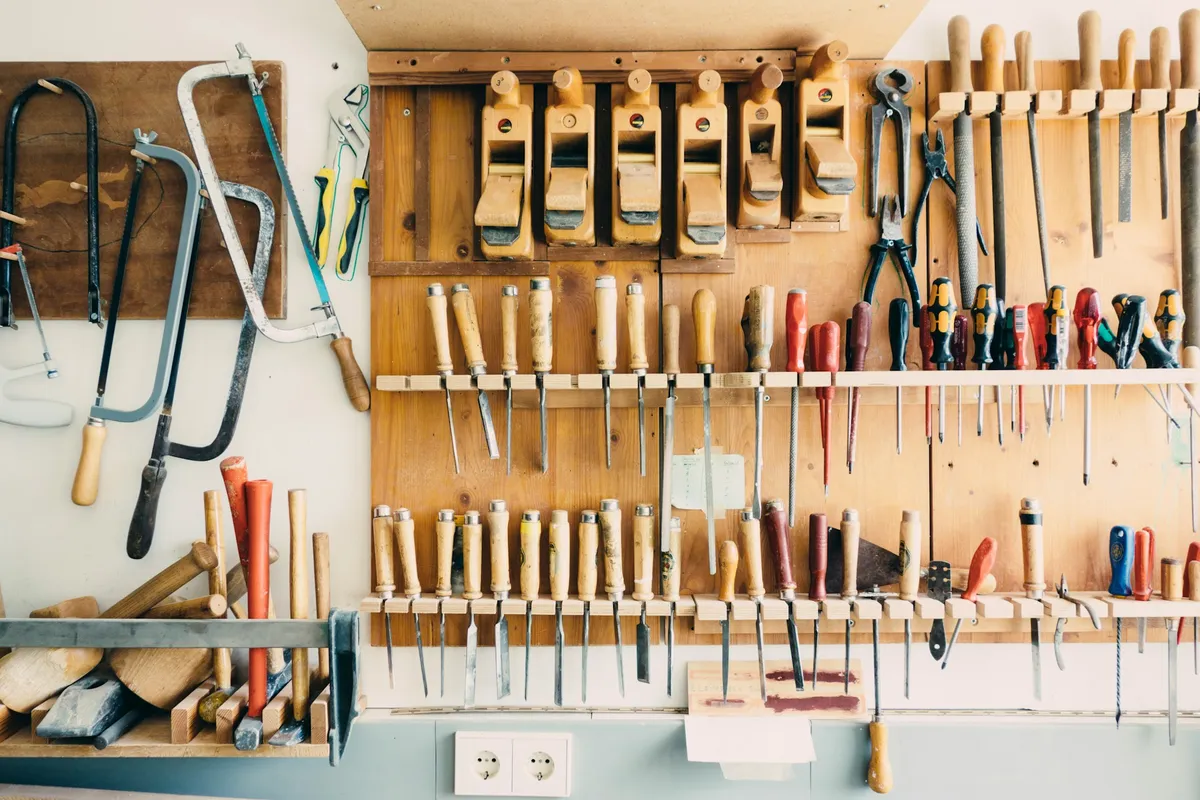
Table of Contents
- Introduction
- Core Principles
- 1. Basic Carpentry Tools
- 2. Cement and Masonry Work
- 3. Metalworking and Blacksmithing (Light Duty)
- 4. Electrical Tools and Safety
- 5. Electronics Repair & Installation
- 6. Landscaping and Property Maintenance
- 7. Gardening and Food Production
- 8. Basic Plumbing
- 9. Car / Motorcycle Maintenance
- 10. Fasteners, Consumables, and Spares
- 11. Power, Lighting, and Work Support
- 12. Storage and Protection
- 13. Random Power Tools
- 14. Spares
- 15. For Diesel Generator Maintenance
- Summary
- Thinking of Moving to the Philippines? Get Reliable Guidance
Introduction
Living in rural Philippines means one thing very quickly becomes clear: you are your own maintenance department. Skilled labor exists, but availability, timelines, and quality vary. When something breaks, waiting days or weeks is often not an option.
The second day I was staying on site at the house in the rural Philippines, we went to the closest large town to:
- Buy a set of tools at a hardware store
- Buy furniture for living room
- Do our first big grocery store run
Having the right tools on hand turns small problems into small fixes instead of prolonged frustrations.
Your collection of tools and the workshop where you keep them are one of the intersection points of prepping and living in the rural provinces here in the Philippines.
Not every one of these categories will be relevant to your situation. If some of these categories are left to the (semi-)professional available in your region; so, be it.
Core Principles
- Assume replacement is difficult
- Even basic tools may be low quality or unavailable locally.
- Durability beats price
- Humidity, heat, and dust kill cheap tools fast.
- You will be amazed what tropical salty sea air + 100F (38C) temperatures + 85% humidity will do to tools that claim to be cheap stainless steel within days.
- Manual tools matter
- Power outages are common. Hand tools still work.
- Versatility beats specialization
- One good tool that does five jobs beats five tools you can’t replace.
1. Basic Carpentry Tools
Woodwork is constant: gates, fences, furniture repairs, formwork, roofing supports.
Must-haves:
- Claw hammer (solid steel, not hollow)
- Cross-cut hand saw + fine-tooth saw
- Chisels (½”, ¾”, 1”) – decent steel
- Tape measure (metric)
- Speed square
- Spirit level (24” minimum)
- Screwdrivers (flat + Phillips, full-size) - assorted sizes
- Utility knife (lots of spare blades)
Highly recommended:
- Hand plane
- Wood clamps (bar clamps, C-clamps)
- Carpenter’s pencil (or many regular pencils)
2. Cement and Masonry Work
Concrete work is everywhere: footings, pads, posts, repairs.
Must-haves:
- Mason’s trowel
- Float (wood or magnesium)
- Bucket(s) – heavy duty
- Mixing hoe or shovel
- Masonry chisel
- Rubber mallet
- Measuring container (for ratios)
Nice to have:
- Small concrete mixer (if you do frequent work)
- Rebar cutter / bender
- Steel wire and pliers for tying
3. Metalworking and Blacksmithing (Light Duty)
Welding shops may be far away or unreliable. Being able to cut, bend, and repair metal saves time.
Must-haves:
- Angle grinder (with cutting, grinding, flap discs)
- Heavy-duty bench vise
- Ball-peen hammer
- Cold chisel set
- Hacksaw + spare blades
- Anvil
- Propane forge
- Tongs
- Hammers
- Chisels
- Punches
- Files
- Leather Apron
- Gloves
- Safety Goggles
Optional but valuable:
- Small stick welder (220V compatible)
- Welding helmet + gloves
- Steel clamps and magnets
4. Electrical Tools and Safety
Electrical work is common—and often poorly done by previous occupants.
Must-haves:
- Multimeter (basic but reliable)
- Insulated screwdrivers
- Wire strippers and cutters
- Needle-nose pliers
- Electrical tape (good quality)
- Assorted wire connectors
- Headlamp (for breaker boxes and ceilings)
Strongly recommended:
- Voltage tester
- Crimping tool
- Spare breakers, outlets, switches
- Proper gauge wire (locally wire quality varies)
Important: Grounding is often absent or incorrect. Test everything.
5. Electronics Repair & Installation
Internet, cameras, solar, routers, generators—electronics fail often due to heat and humidity.
Must-haves:
- Precision screwdriver set
- Soldering iron (temperature-controlled)
- Solder + flux
- Heat shrink tubing
- Cable tester (Ethernet)
- RJ45 crimping tool
- Zip ties (lots)
Optional:
- Hot glue gun
- Small power supply (bench)
- Spare routers / switches
6. Landscaping and Property Maintenance
Vegetation grows fast. Very fast.
Must-haves:
- Machete / bolo (good steel)
- Pruning shears
- Shovel (big, small)
- Pick mattock
- Rake
- Pick axe
- Heavy-duty gloves
- Wheelbarrow
- post hole digger
- Crow bar
- sledge hammer
- Axe
- Whetstone
- Ladders (a couple of different sizes)
- Step stool
Power tools (if feasible):
- Brush cutter / string trimmer
- Chainsaw (with spare chain + oil)
7. Gardening and Food Production
Even small gardens benefit from proper tools.
Must-haves:
- Hand trowel
- Garden fork
- Hoe
- Round-head shovel
- Square-head shovel
- long, narrow-head shovel
- Watering can or hose with repair kit
- Seed trays
- Netting (pests are relentless)
8. Basic Plumbing
Must have (non-negotiable, these solve 80% of household plumbing problems):
- Pipe wrench (14”–18”) – real steel, not decorative
- Adjustable wrench (large + small)
- Slip-joint pliers
- Channel-lock pliers (wide jaw range)
- Screwdrivers (flat + Phillips, full size)
- Utility knife
- Tape measure (metric)
- Bucket(s) – leaks wait for no one
Useful:
- PVC pipe cutter (ratcheting type)
- Hacksaw + spare blades
- Deburring tool or round file
- Heat gun (for softening PVC when needed)
- PTFE (Teflon) tape – multiple rolls
- Pipe thread sealant (paste)
- Epoxy putty (water-rated)
- Silicone sealant
- Rubber repair tape / self-fusing tape
9. Car / Motorcycle Maintenance
Check out our list of tools and parts for car and motorcycle repair and maintenance.
10. Fasteners, Consumables, and Spares
These are often the hardest things to find when you need them.
Stockpile:
- Screws (wood, self-tapping, stainless) — various sizes
- Nails (various sizes)
- Bolts, nuts, washers (metric)
- Epoxy
- lubricants (various types, viscocities, uses)
- adhesives
- Silicone sealant
- WD-40 or equivalent
11. Power, Lighting, and Work Support
You will work at night. You will work during brownouts.
Must-haves:
- Extension cords (heavy gauge)
- Portable work lights
- Headlamps
- Small inverter or generator (or, a really big inverter or generator)
- Battery-powered tools (with spare batteries)
12. Storage and Protection
Humidity destroys tools.
Protect with:
- Lockable tool chests
- Silica gel / moisture absorbers
- Light oil coating on metal tools
- Elevated storage (flooding happens)
13. Random Power Tools
Some more power tools that are useful if you have the infrastructure to run them.
- Jackhammer
- Air compressor
- Rotating saw
- Reciprocating saw
- Miter saw
- Jig saw
- Power drill
- Impact drill
- Extra drill
- Power screwdriver
- Drill press
- Plasma torch
- Inverter welder
14. Spares
If you are hiring local workers (skilled, unskilled, inbetween) to do projects on your property and in your house, it is likely you will have to lend out tools to them occasionally, if not daily. I’ve found it is useful (read: less infuriating) if I keep a core set of tools that are for my use and a set of older / cheaper tools that are lent out to the workers. Obviously, this is a nice-to-have—probably a luxury. This doesn’t mean have two of everything, but the tools the workers are going to need, yes.
I collect as many screwdrivers, wrenches, drill bits, and socket bits I can get my hands on. I break and lose these often.
I also like having assorted sizes of:
- Crescent wrenches
- Channel locks
- Rubber mallets
- Hammers
15. For Diesel Generator Maintenance
Check out the list of tools we prepared for field repair and long-term maintenance of diesel generators. We won’t repeat that here, but the recommended list of tools wouldn’t be complete without this.
Summary
In the rural Philippines, tools are not hobbies—they are infrastructure. Every tool you already own saves:
- Time
- Money
- Repeated explanations
- Waiting for “next week”
You don’t need everything on day one. But, if you plan to stay long-term, building a serious, practical tool collection is one of the smartest investments you can make. The moment I need a tool or part that I don’t have, it will be weeks before I have it most likely. I’m always preparing for the last small repair project I had to do.
Thinking of Moving to the Philippines? Get Reliable Guidance
Online communities are helpful for general questions. For anything important, you still need accurate, professional, and updated information. E636 Expat Services helps foreigners with:
- Residency and long term visas
- Bank account opening
- Health insurance guidance
- Real estate assistance
- Business setup
- Retirement planning
- A smooth and secure transition into life in the Philippines
If you want to move with confidence instead of relying on random comments online, we can guide you every step of the way.
Book a consultation with E636 and start your journey the right way.
Photo by Barn Images on Unsplash