Peñafrancia 2026: A Million Devotees, a Low River, and Ina's Journey Home in Naga City
culture21-09-2026
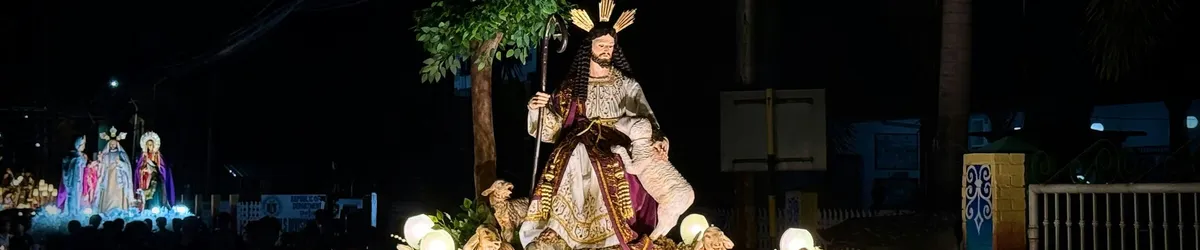
Every September, Naga City in Camarines Sur becomes the spiritual capital of Bicol. Pilgrims arrive from every province in the region, and from much farther away, for the feast of Our Lady of Peñafrancia, known simply and affectionately as Ina, “mother.”
The 2026 festival ran from September 6 to 19. It drew a reported 820,000 people to the opening Traslación procession and around 1.2 million to the closing fluvial procession, according to local authorities. It also brought a public debate about alcohol, a gun ban, a regional holiday, and a river so low that the final procession started hours late.
Here is what happened, the history behind it, and what visitors should know.
Who Is Ina?
The devotion began in Spain. According to an account published by the Daily Tribune, a pilgrim named Simon Vela searched for years for an image of the Virgin Mary at Peña de Francia, a mountain he first believed was in France. It was in Salamanca, Spain. In 1434, he and his companions found a hidden image of the Virgin holding the Infant Jesus, and the site became a place of pilgrimage.
The devotion reached Bicol through Fr. Miguel Robles de Covarrubias, the son of a Spanish official, who credited his healing to Our Lady of Peñafrancia and later became a priest in Naga, then called Nueva Cáceres. The Naga City government says the Peñafrancia Shrine was built in 1711 and calls it “the original home of Ina.”
A flag on dates: The 2025 Daily Tribune account places the devotion’s arrival in the 17th century, while the city government dates the shrine to 1711, in the 18th century. We use the city’s date.
Today, the image is enshrined at the Minor Basilica and National Shrine of Our Lady of Peñafrancia, alongside the image of El Divino Rostro, the Holy Face of Jesus. Both are carried in the festival’s two great processions.
For Bicolanos, this is not a tourist event with a religious theme. It is the region’s largest act of faith, and many families plan the whole year around it.
The Traslación: September 11
The festival opens with the Traslación, the transfer of the images from the Peñafrancia Shrine to the Naga Metropolitan Cathedral, where they stay for the nine days of the novena.
According to the Daily Tribune:
- The procession covers about 1.3 kilometers and is billed as “the longest Marian procession in Asia.”
- About 820,000 people joined on Friday, September 11, per the city’s Emergency Operations Center–Incident Management Team, up from 800,000 the year before.
- About 11,000 personnel from the police, fire bureau, Coast Guard, Army, jail bureau, and volunteer groups, drawn from all six Bicol provinces, were deployed.
- The procession ended with a Holy Mass around 6:30 p.m.
The images are pulled and carried by thousands of voyadores, the male devotees whose role is the heart of the procession. Along the route, you will hear the cry “Viva La Virgen!”
The Liquor Ban Debate
This year’s biggest argument was about drinking.
PNP Bicol asked for a total liquor ban to curb rowdiness during the Traslación. Naga Mayor Leni Robredo disagreed. According to the Daily Tribune, she noted that many voyadores have traditionally had a drink before the procession, and that some “would still drink before joining the traslacion” despite past bans. She described the number of unruly devotees as “very minimal.”
Instead, the Archdiocese of Caceres imposed a “selective” liquor ban only along the Traslación route on September 11, and the mayor said police would be stricter in disciplining wayward voyadores.
The debate did not end there. Just before the procession started, the Tribune reported, more than 10 voyadores in orange shirts got into a fight on Peñafrancia Street, leaving one with a bloody head. Some residents favored rules against drunkenness but not a total ban, which they said would hurt celebrations and businesses. Others praised the mayor’s decision. A retired soldier and former UN peacekeeper told the Tribune that drunks should not be near Ina: “If they must drink, they should do it responsibly and in designated places away from the procession.”
Safety Measures
Beyond the liquor rules, the 2026 festival came with a full security plan:
- Gun ban: PNP Bicol suspended permits to carry firearms outside of residence (PTCFORs) in Naga City from September 5 to 17, according to the Daily Tribune. Only on-duty uniformed law enforcement could carry firearms.
- Coordination: On September 2, Mayor Robredo and Archbishop Rex Andrew Alarcon signed an agreement creating a multi-agency coordinating group for the festival.
- Special non-working day: Malacañang’s Proclamation No. 1444 declared Friday, September 18 a special non-working day in 16 Camarines Sur towns, including Pili, Libmanan, Calabanga, and Pasacao, plus San Pascual, Masbate. The stated aim was to let people take part and to manage traffic from the expected influx of devotees.
- Cleanup: Ahead of the festival, hundreds of residents, women’s groups, youth, uniformed personnel, and city employees joined a city-wide cleanup along the Traslación route and the riverbanks, collecting several sacks of garbage, the Tribune reported.
Naga has suspended classes and government work on major procession days in past years. We could not find a published 2026 order for the city itself, so check local announcements if you are planning around it.
The Fluvial Procession: September 19
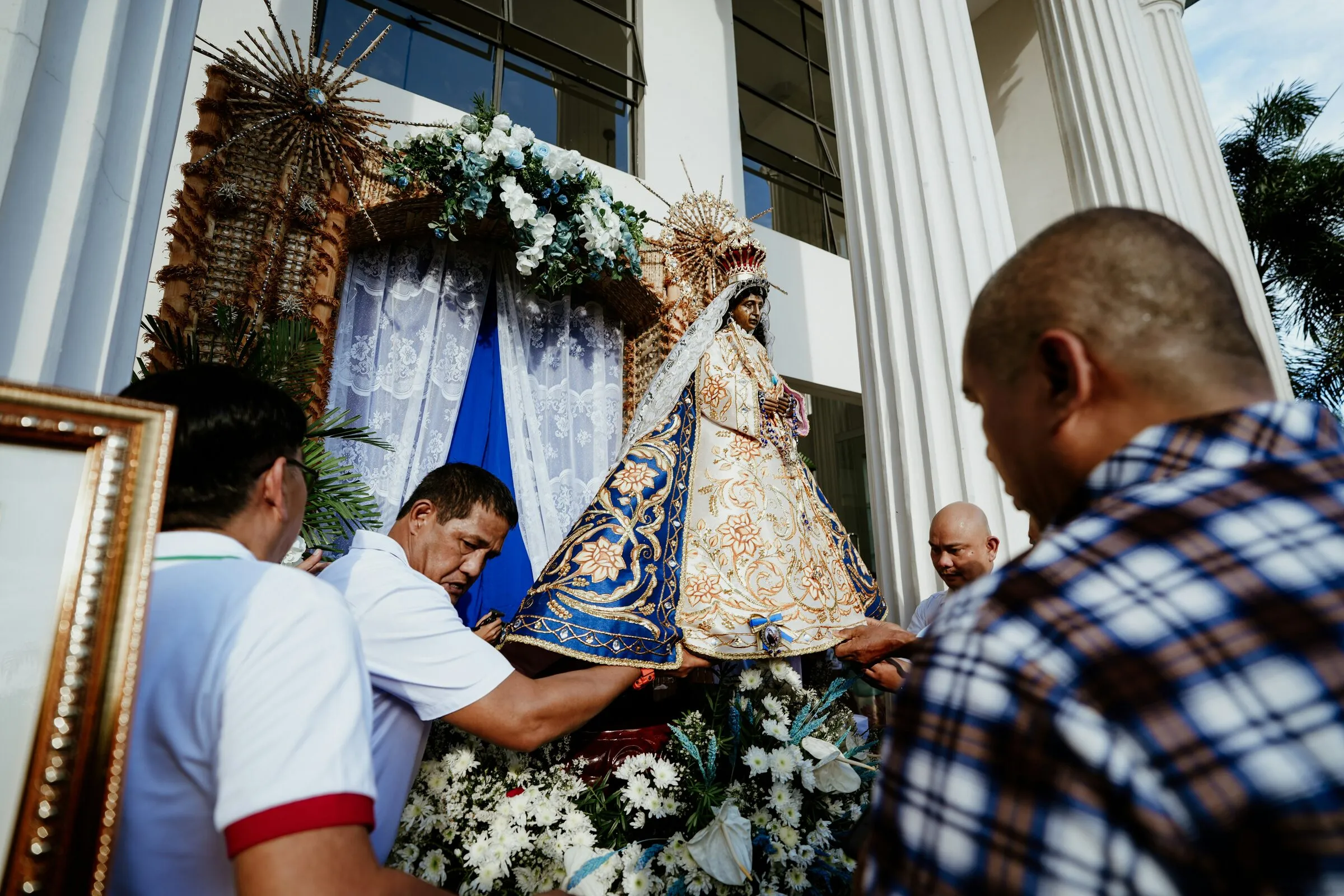
The festival ends with the fluvial procession, when the images return by river to the Basilica. They are carried on foot from the Cathedral to the river landing, then placed on a decorated pagoda barge for the trip upriver.
This year, the river did not cooperate.
- Low water: The Daily Tribune reported that the procession was moved later because of low tide. The pagoda had run aground in shallow water at the landing. Mayor Robredo said September rains had been insufficient, and that the flood gates at Sabang Bridge leak and cannot hold water. The Department of Public Works and Highways has promised to fund repairs in 2027.
- A late start: The procession began around 9 p.m., several hours later than usual, according to CBCP News via Interaksyon. Msgr. Juan Buentiempo, who designed the Basilica, said: “we have never experienced the river becoming this dry.”
- The crowd: The Naga city government estimated around 1.2 million devotees, calling it “1.2 million strong,” GMA News reported.
At the Mass before the procession, Cotabato Archbishop Charlie Inzon said: “We come to her not as strangers approaching a distant queen but as children of Ina coming home to their mother.” Archbishop Alarcon later urged devotees to turn their devotion into care for creation, and thanked pilgrims and authorities for keeping the feast peaceful.
A note on names: 2026 reports call it the Naga River. Some older reports, including a 2025 Daily Tribune feature, say the procession is on the Bicol River. Both names appear in coverage.
Cities vs. Provinces
Peñafrancia happens in a city, but it belongs to the whole region.
In the Cities
- Naga is the hub. It is the commercial and church center of Camarines Sur, home to the Archdiocese of Caceres, and the point where the whole region converges in September.
- The city absorbs the crowd. Over a million people strain hotels, roads, and garbage collection. Hence the cleanup, the 11,000-strong security deployment, and the traffic planning.
- A full calendar. Beyond the processions, the official program included a marathon, trade fairs, parades, a voyadores street dance competition, and the Tagboan arts, music, and food festival.
- Budget limits. The 2026 fuel crisis reached the festival too: Mayor Robredo canceled the Miss Bicolandia pageant in June, citing the national energy emergency and sponsors who could not provide expected support, the Daily Tribune reported.
In the Provinces
- The pilgrims come from everywhere. Devotees travel from towns across Camarines Sur, Albay, Sorsogon, Masbate, Camarines Norte, and island provinces like Catanduanes.
- The holiday reaches beyond Naga. The September 18 special non-working day covered towns in the Metro Naga area, a recognition that provincial families travel in for the climax.
- Home parishes keep the feast too. Many provincial communities hold their own Masses and gatherings for Ina, especially for families who cannot make the trip.
- Travel is the hard part. For provincial pilgrims, the festival means crowded buses and vans, long waits, and sometimes sleeping with relatives in the city.
What It Means for Expats and Visitors
If you want to experience Peñafrancia, it is one of the most moving events in the country. Plan carefully.
- Book early. With crowds over a million, rooms in Naga fill fast. Consider staying in a nearby town if the city is full, and allow for slow traffic.
- Choose your event. The Traslación and the fluvial procession are the most crowded. The novena Masses and smaller processions in between are calmer.
- Respect the devotion. This is worship first. Dress modestly, keep your voice down at Mass, and do not push toward the images for a photo. Ask before photographing people who are praying.
- Do not try to join the voyadores. Carrying and pulling the images is a role for devotees. Watch from a safe distance.
- Stay safe in the crowd. Keep valuables to a minimum, carry water, and agree on a meeting point with your group. Avoid tightly packed spots near the images and the riverbanks.
- Follow the rules. Liquor and firearm restrictions may apply, and schedules can change at the last minute, as the 2026 fluvial procession showed. Follow official city and archdiocese announcements.
- Eat Bicolano. Bicol is known for spicy, coconut-rich cooking, such as laing and Bicol express, and for pili nuts. Festival food stalls are part of the experience.
For a broader look at how Filipino communities celebrate patron saints, see our guide to the Filipino Fiesta.
Summary
- The Peñafrancia Festival in Naga City honors Our Lady of Peñafrancia (Ina) and El Divino Rostro, Bicol’s biggest religious event. The 2026 festival ran September 6–19.
- The devotion traces back to Peña de Francia in Salamanca, Spain, and came to Naga through Fr. Miguel Robles de Covarrubias; the city dates the original shrine to 1711.
- The Traslación on September 11 drew about 820,000 people, amid debate over the decision not to impose a total liquor ban. The Archdiocese imposed a selective ban along the route.
- A gun ban ran September 5–17, and September 18 was a special non-working day in 16 Camarines Sur towns and one Masbate town.
- The fluvial procession on September 19 was delayed to around 9 p.m. by a low river, with around 1.2 million devotees, according to the Naga city government.
- Visitors should book early, plan for crowds, and treat the feast as worship first.
Sources
- Daily Tribune: Traslacion procession draws over 800,000 devotees to Naga City as opinions clash over no liquor ban decision
- Daily Tribune: 11,000 peacekeepers deployed in Naga City for Traslacion procession
- Daily Tribune: ‘Selective’ liquor ban up in Naga City for Peñafrancia Fest; Gun ban now in full force
- Daily Tribune: Camarines Sur towns declare special non-working day for Peñafrancia Festival
- Daily Tribune: Peñafrancia Festival preps prompt massive city cleanup
- Daily Tribune: Peñafrancia Festival 2026 unveils monthlong celebration
- Daily Tribune: Low tide delays Peñafrancia fluvial procession
- GMA News: Around 1.2 million devotees gather for 2026 Peñafrancia — Naga LGU
- Interaksyon (CBCP News): Bicol bishop links Peñafrancia devotion to care for creation
- Daily Tribune: Devotion to Our Lady of Peñafrancia endures in Naga City
- Naga City Government: The historic and original home of Ina, Peñafrancia Shrine
Thinking of Moving to the Philippines? Get Reliable Guidance
Online communities are helpful for general questions. For anything important, you still need accurate, professional, and updated information. E636 Expat Services helps foreigners with:
- Residency and long term visas
- Bank account opening
- Health insurance guidance
- Real estate assistance
- Business setup
- Retirement planning
- A smooth and secure transition into life in the Philippines
If you want to move with confidence instead of relying on random comments online, we can guide you every step of the way.
Book a consultation with E636 and start your journey the right way.
Image credits (via Unsplash, free under the Unsplash License):
- Top image: “Night procession with illuminated float and people” by BRYNLLD
- Safety Measures section: “Men carry an ornate religious statue adorned with flowers” by Andrei Corpuz