Kadayawan 2026: Davao City's Thanksgiving for Harvest, Tribes, and Durian
culture18-08-2026

Every August, Davao City throws a month-long party to say thank you. The thanks go to the harvest, to the land around Mount Apo, and to the indigenous and Moro peoples who were here long before the city’s malls and condominiums. The party is the Kadayawan Festival, and on Sunday, August 16, it drew what the city government called the biggest crowd in its history.
This post explains what Kadayawan is, where it came from, what happened in 2026, and what expats and visitors should know about Davao and its festival. For the background on how Filipino festivals work in general, see our post on the Filipino Fiesta.
What Kadayawan Means
The name comes from madayaw, a word usually traced to the Mandaya language and glossed as “good,” “valuable,” “superior,” or “beautiful.” Kadayawan is the state of all of that—abundance, beauty, and good fortune—and the festival is officially described as a thanksgiving for the gifts of nature, the wealth of culture, and the bounties of the harvest.
The festival’s full name is Kadayawan sa Dabaw. Its traditional symbols are Davao’s best-known natural assets: Mount Apo, the country’s highest peak; the waling-waling orchid; and the durian. This year’s logo added the Philippine Eagle and cacao.
Where It Came From
The roots are older than the festival. The indigenous peoples of the Davao region have long held thanksgiving rituals after the harvest. The modern civic version grew out of those:
- 1970 – Mayor Elias B. Lopez encouraged Davao’s tribes to showcase their thanksgiving rituals.
- 1986 – The celebration was staged as Apo Duwaling, a name built from Apo (the mountain), durian, and waling-waling.
- 1988 – Mayor Rodrigo Duterte renamed it Kadayawan sa Dabaw. SunStar Davao dates the festival’s start to that year.
The festival has since grown from a week into a month. In 2019 it was stretched across most of August, and the city now runs events from late July to the end of the month.
The 11 Tribes
Kadayawan honors Davao City’s 11 ethnolinguistic groups. They are usually divided into two families:
- Lumad (non-Muslim indigenous peoples): Ata, Bagobo-Klata, Bagobo-Tagabawa, Matigsalug, and Ovu Manuvu.
- Moro (Muslim peoples): Iranun, Kagan, Maguindanaon, Maranao, Sama, and Tausug.
The festival once used the slogan “Ten Tribes, One Vibe,” until it was pointed out that the city actually had eleven. Each group is represented in city government by a deputy mayor, and each fields a candidate in the Hiyas sa Kadayawan, the festival’s cultural pageant.
Kadayawan 2026: What Happened
The Theme and the Numbers
The 2026 theme was “We Are One, KadayaONE!”, with the tagline “KadayaONE All Over the City: Best Kadayawan Experience.” The City Tourism Operations Office (CTOO) built it around Banig sa Kagikan—the image of a woven mat in which each group’s patterns and colors make up one tapestry. “One festival. One community. One Davao,” CTOO head Willenito Tormis Jr. said at the media launch.
According to SunStar Davao:
- Budget: ₱68 million, up from ₱60 million the year before, for more events and bigger prizes.
- Events: 26 official activities through August.
- Tourist target: about 250,000 arrivals, against 206,506 during the 2025 festival.
- Security: more than 19,000 police, military, fire, coast guard, and emergency personnel.
The Opening, August 7
The festival opened on Friday, August 7. That morning, the city revived the Subang Sinugdanan ug Panagtagbo on the Davao River—a boat parade and re-enactment of the 11 groups coming together peacefully in pre-colonial times. Later, at Magsaysay Park, Vice President Sara Duterte and the 11 deputy mayors struck a ceremonial gong to open the festival. “The Kadayawan is more than a colorful celebration of culture, harvest and gratitude,” the Vice President said.
Pageant and Holiday
- August 13 – The Hiyas sa Kadayawan 2026 crown went to the Matigsalug candidate.
- August 14 – A special non-working day in Davao City under Proclamation No. 1372, signed by Executive Secretary Ralph Recto on July 29, so residents could “participate in the occasion and enjoy the celebration.” The same day featured Agong ug Kulintangan sa Kadayawan, a showcase of gong and kulintang music.
The Big Day, August 16
Sunday brought the two headline events:
- Pamulak sa Kadayawan – the floral float parade. In the Dako (big) category, Kagikan Pro Arts took first; in the Gamay (small) category, Alorica Teleservices won.
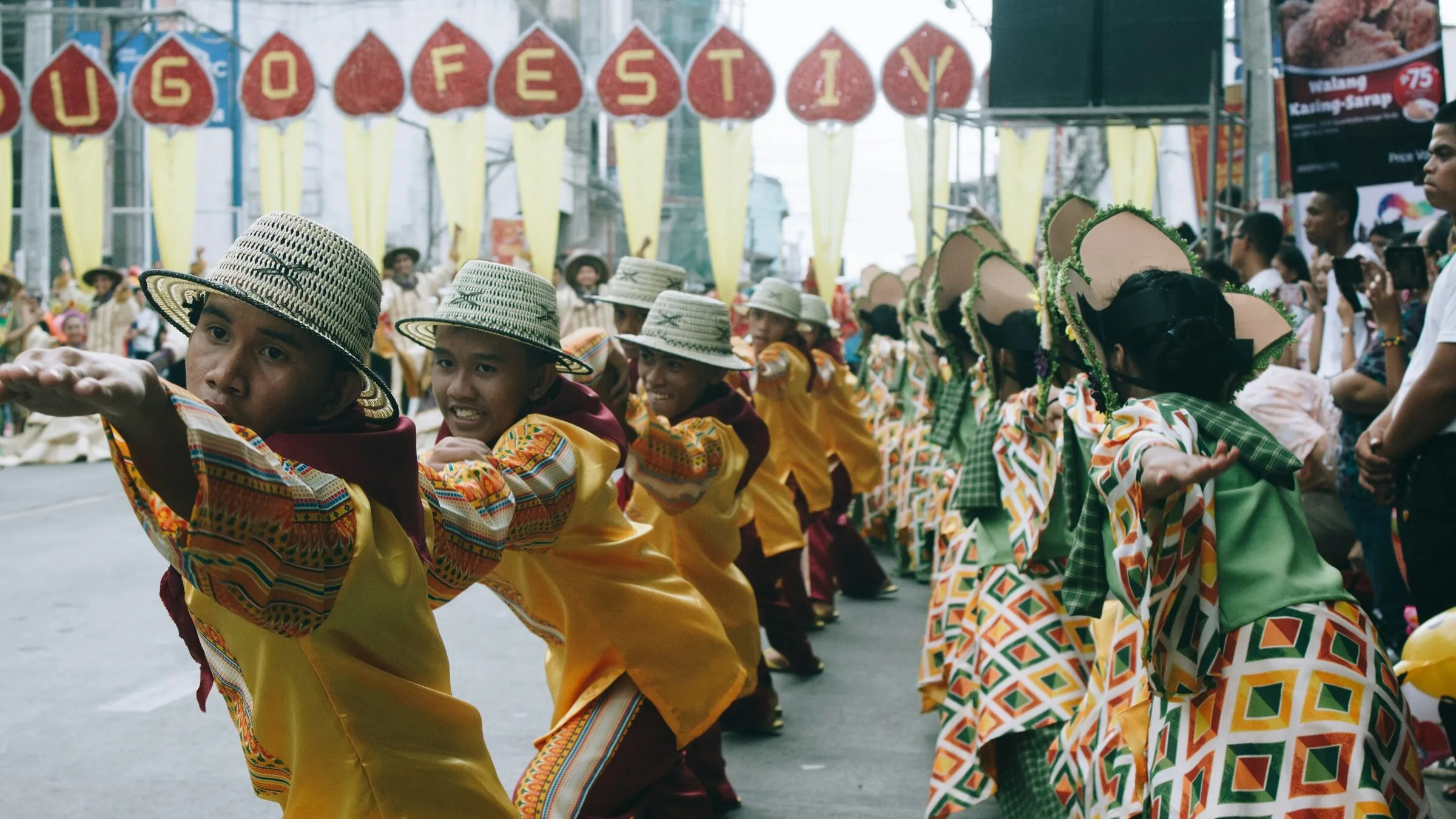
- Indak-Indak sa Kadayawan – the street-dance competition, with contingents performing dances drawn from Mindanao’s indigenous cultures.
This year’s change was the venue. The street dance kept its route from Roxas Avenue to San Pedro Square, but the Grand Showdown moved, for the first time, to the Davao City Coastal Road along Tulip Drive. The CTOO said the move answered public calls for better access and complaints that Kadayawan catered to VIPs. “We really made an effort to find a way for more Dabawenyos to see it,” Tormis said.
It worked. The city estimated 120,000 people lined the Coastal Road—the largest crowd in the festival’s history.
The results:
- Open Category: Balangay City High Performing Arts of Mati City, Davao Oriental, won its third straight title and the ₱2 million top prize, plus awards for artistic design, choreography, and street dance. Three in a row means it sits out 2027.
- School-Based Category: The Mana Performing Arts Ensemble of Daniel R. Aguinaldo National High School won back-to-back.
Durian and the Fruit Basket
Kadayawan is a harvest festival, and in Davao, harvest means fruit—above all durian. Davao is often called the country’s durian capital. The fruit’s smell is famously strong, and many hotels ban it from rooms. Locals love it anyway.
During the festival, fruit stalls and trade fairs fill up with durian, mangosteen, lanzones, rambutan, avocado, and marang. On August 7, SM Lanang Premier opened its 12th Durian Festival, backed by the Durian Industry Association of Davao City and the Department of Agriculture.
Supply depends on the weather. In 2025, city agriculturists warned that heavy rain had reduced the August crop. In July 2026, MindaNews photographed traders in Calinan buying durian wholesale at ₱25 per kilo for shipment to Tandag, Surigao del Sur, where it could sell for up to ₱100.
Cities vs. Provinces
In the Cities
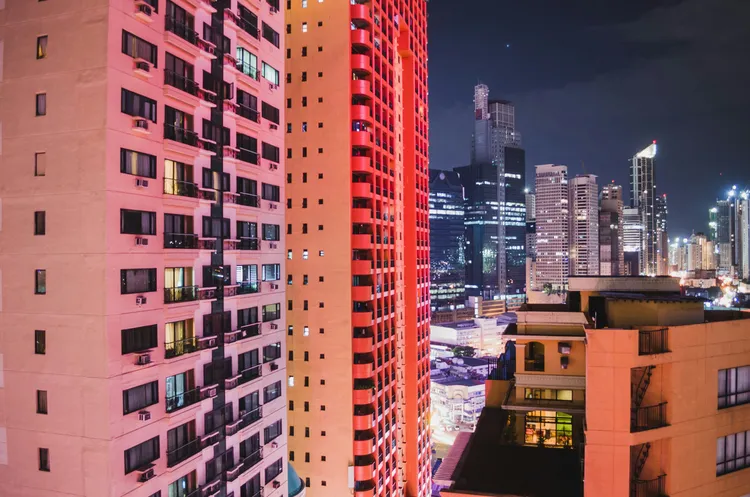
Downtown Davao experiences Kadayawan as a city festival: floats sponsored by call centers and pharmaceutical companies, mall sales, food bazaars, concerts, film showcases, projection mapping on City Hall, and a beauty pageant. The streets close, hotels fill up, and the Coastal Road becomes a grandstand. It is well organized, heavily policed, and very urban.
Kadayawan also shows the city’s mix. Davao is home to settlers from Luzon and the Visayas, Moro communities, Lumad groups, and a growing number of foreigners. The festival’s official line—“Everyone has a place in the festival”—is a statement about that mix.
In the Provinces
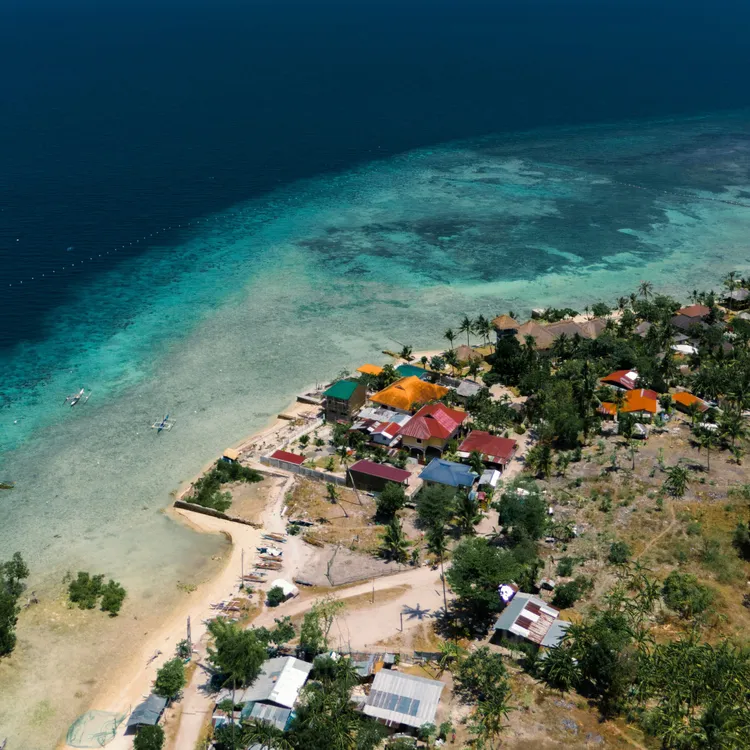
The festival’s themes come from somewhere else: the uplands and farming districts. Davao City’s boundaries stretch far past downtown into agricultural areas such as Calinan, where traders buy durian straight from the farms, and into the ancestral lands of the Lumad groups around Mount Apo and the hinterlands.
For many of those communities, harvest thanksgiving is not a parade but a ritual held in the village, on the community’s own schedule. The tribal houses in the Kadayawan Village at Magsaysay Park are replicas; the real ones are a long jeepney ride away, often in places with poor roads, limited schools, and long-running land and security issues. The festival celebrates these communities. Their day-to-day lives look very different from the floats.
The same is true across Mindanao. The province-level festivals in Davao del Norte, Davao Oriental, and further afield are smaller, more local, and closer to the farms and fishing villages they come from. And if you want to see indigenous culture in its home setting, places like Lake Sebu in South Cotabato, home of the T’boli, offer a very different experience from a city parade.
For Expats and Visitors
Living in or Visiting Davao
Davao City is one of the most popular expat bases in Mindanao: a large, orderly city with an international airport, major hospitals, and generally lower living costs than Manila. It is also known for strict local rules and a visible security presence. During Kadayawan, the city banned firearms, knives, alcohol, backpacks, umbrellas, lighters, toy guns, and laser pointers from event areas. Expect bag checks and plan for it.
During the festival, book accommodation early, expect road closures around Roxas Avenue, San Pedro Square, and the Coastal Road, and bring water and sun protection to the parades.
Safety and Travel Advisories
Be sober about this. Mindanao is not one place, and foreign governments treat its regions very differently. Their advice on Davao City is not uniform:
- United Kingdom: The FCDO advises against all travel to western and central Mindanao and the Sulu archipelago, and against all but essential travel to the rest of Mindanao (except Camiguin, Dinagat, and Siargao). Davao City is not listed as an exception.
- United States: The State Department has placed most of Mindanao at Level 3, “Reconsider Travel,” and has listed Davao City as an exception—but the details have changed over time.
- Canada: Advises avoiding non-essential travel to Davao del Sur, excluding Davao City.
What this means in practice:
- Read your own government’s current advisory, not a summary (including this one).
- Check your insurance. Some policies will not pay out for travel to areas your government advises against.
- Treat trips outside the city separately. Travel into the hinterlands, other provinces, or western Mindanao carries different risks from a stay in downtown Davao.
Etiquette Around Indigenous Performers
- Ask before you photograph individuals up close, especially elders and ritual performers. Parades are public; a portrait is not.
- Don’t touch headdresses, beadwork, weapons, or instruments. Many are heirlooms or have ritual significance.
- Call it attire, not a costume, when it is a community’s traditional dress.
- Don’t imitate rituals, chants, or dances for laughs.
- Buy direct. If you want crafts, buy them from tribal artisans at the Kadayawan Village or trade fairs rather than from mass-market stalls.
- Remember the Moro groups too. Six of the 11 groups are Muslim. Dress modestly at their exhibits, and avoid offering pork or alcohol.
Summary
Kadayawan is:
- Davao City’s month-long thanksgiving for the harvest and its 11 Lumad and Moro groups
- Named from madayaw—good, valuable, beautiful—and officially Kadayawan sa Dabaw since 1988
- In 2026: opened August 7, a ₱68 million budget, a 250,000-tourist target, a special holiday on August 14, and a record 120,000-strong crowd for the first Indak-Indak Grand Showdown on the Coastal Road
- An urban spectacle in downtown Davao, celebrating communities whose real lives are in the farms and uplands
- A good time to visit Davao—as long as you check your government’s advisory and respect the people being honored
Sources
- SunStar Davao: Kadayawan 2026 officially opens
- SunStar Davao: Kadayawan 2026 Pamulak, Indak-Indak set on August 16
- SunStar Davao: August 14 declared special non-working holiday in Davao City
- SunStar Davao: Indak-Indak showdown moves to Coastal Road
- SunStar Davao: Matigsalug bet is Hiyas 2026
- SunStar Davao: Mati’s Balangay wins Indak-Indak 2026 grand slam
- SunStar Davao: Kadayawan 2026 sets record with 120,000 crowd
- GMA Regional TV: 2 high schools win Davao City’s Indak-Indak 2026
- Davao City Government: Kadayawan Festival 2026 celebrates unity of cultural communities, settlers, guests
- Edge Davao: What Kadayawan means
- Wikipedia: Kadayawan Festival
- Daily Tribune: Durian takes center stage
- MindaNews: From Davao to Tandag
- SunStar Davao: Ample durian supply this Kadayawan
- GOV.UK: Philippines travel advice — Warnings and insurance
- Government of Canada: Travel advice and advisories for the Philippines
- U.S. Department of State: Philippines Travel Advisory
Thinking of Moving to the Philippines? Get Reliable Guidance
Online communities are helpful for general questions. For anything important, you still need accurate, professional, and updated information. E636 Expat Services helps foreigners with:
- Residency and long term visas
- Bank account opening
- Health insurance guidance
- Real estate assistance
- Business setup
- Retirement planning
- A smooth and secure transition into life in the Philippines
If you want to move with confidence instead of relying on random comments online, we can guide you every step of the way.
Book a consultation with E636 and start your journey the right way.
Image credits (via Unsplash, free under the Unsplash License):
- Top image: “durian fruit” by Gliezl Bancal
- Street dance photo: “people dancing on street” by Bryan Agua