Preparing to Move to the Philippines: A Complete Guide for Expats (2025)
expat 05-12-2025

Relocating to the Philippines offers a warm climate, friendly communities, beautiful islands, and a more affordable lifestyle than many Western countries. But like any international move, it requires careful planning. This guide walks you through the essential steps, legal, financial, cultural, and practical, to help you transition smoothly and confidently.
1. Understand Your Visa and Legal Requirements
Before booking your flight, make sure you are fully informed about the immigration rules and the type of visa you qualify for.
Common visa options include:
-
Tourist Visa – Typically valid for 30 days on arrival for many nationalities, extendable up to 36 months depending on your passport.
-
13A Non-Quota Immigrant Visa – For foreigners married to Filipino citizens, grants permanent residence.
-
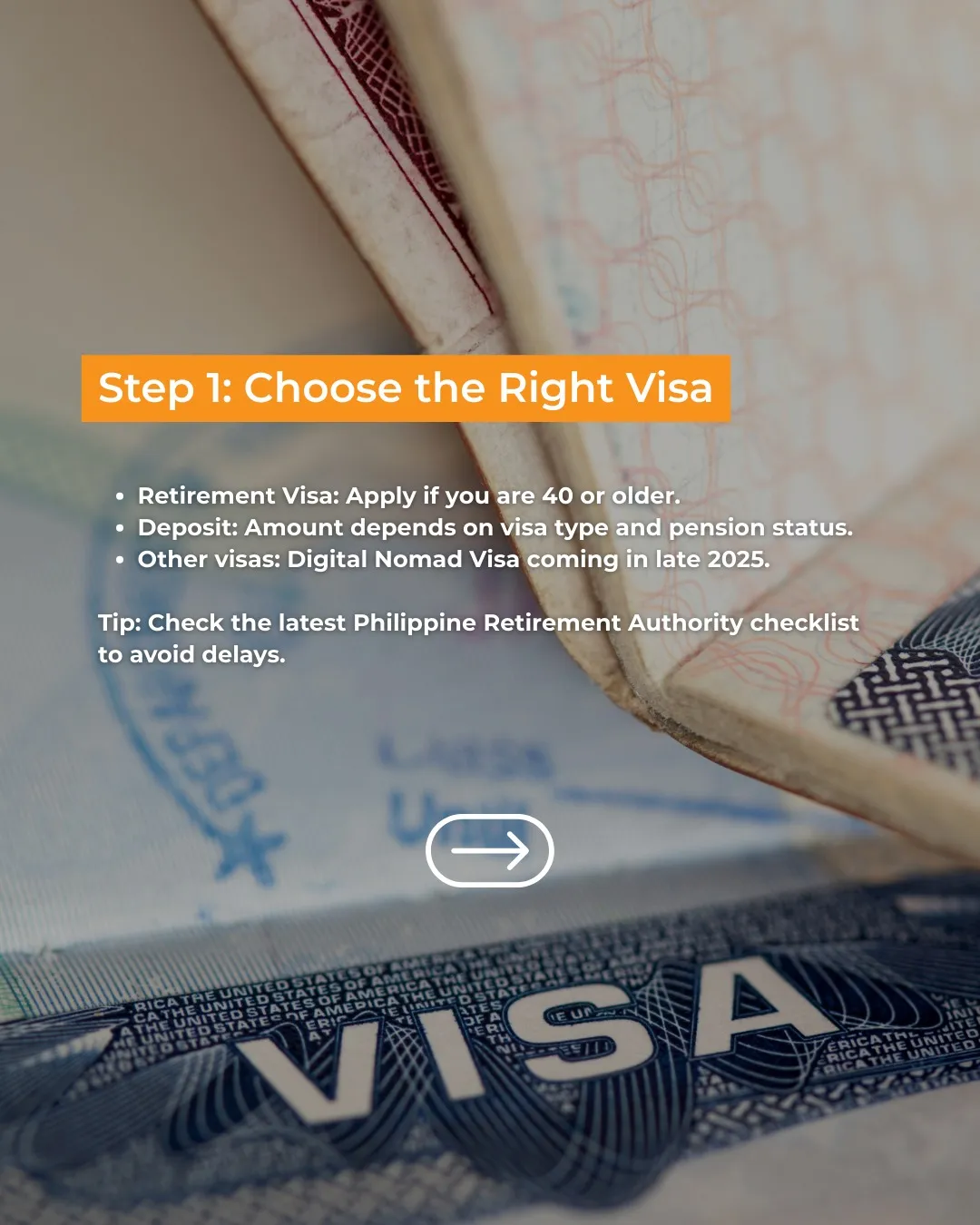
SRRV (Special Resident Retiree’s Visa) – For retirees who meet age and financial deposit requirements.
-
SIRV (Special Investor Resident Visa) – For investors and entrepreneurs who want to make an investment or start a business in the Philippines.
-
Work Visa or Special Work Permit – For those employed locally. This requires coordination with your employer.
Before you move:
-
Check eligibility and requirements through the Bureau of Immigration and the Philippine consulate in your home country.
-
Prepare multiple copies of key documents such as birth certificates, marriage certificates, police clearance, passport copies, and medical records.
-
Keep digital backups stored securely online.
There are numerous visa options for staying in the Philippines in the long-term. Some of these options have significant money that must be committed, but are valid for long periods of time. Others are relatively inexpensive, but are only valid for short periods of time. Our founder started out staying in the Philippines 90 days at a time on a tourist visa extension for the purpose of investing (business). It’s cost effective, but a bit of a hassle with the reoccurring paperwork.
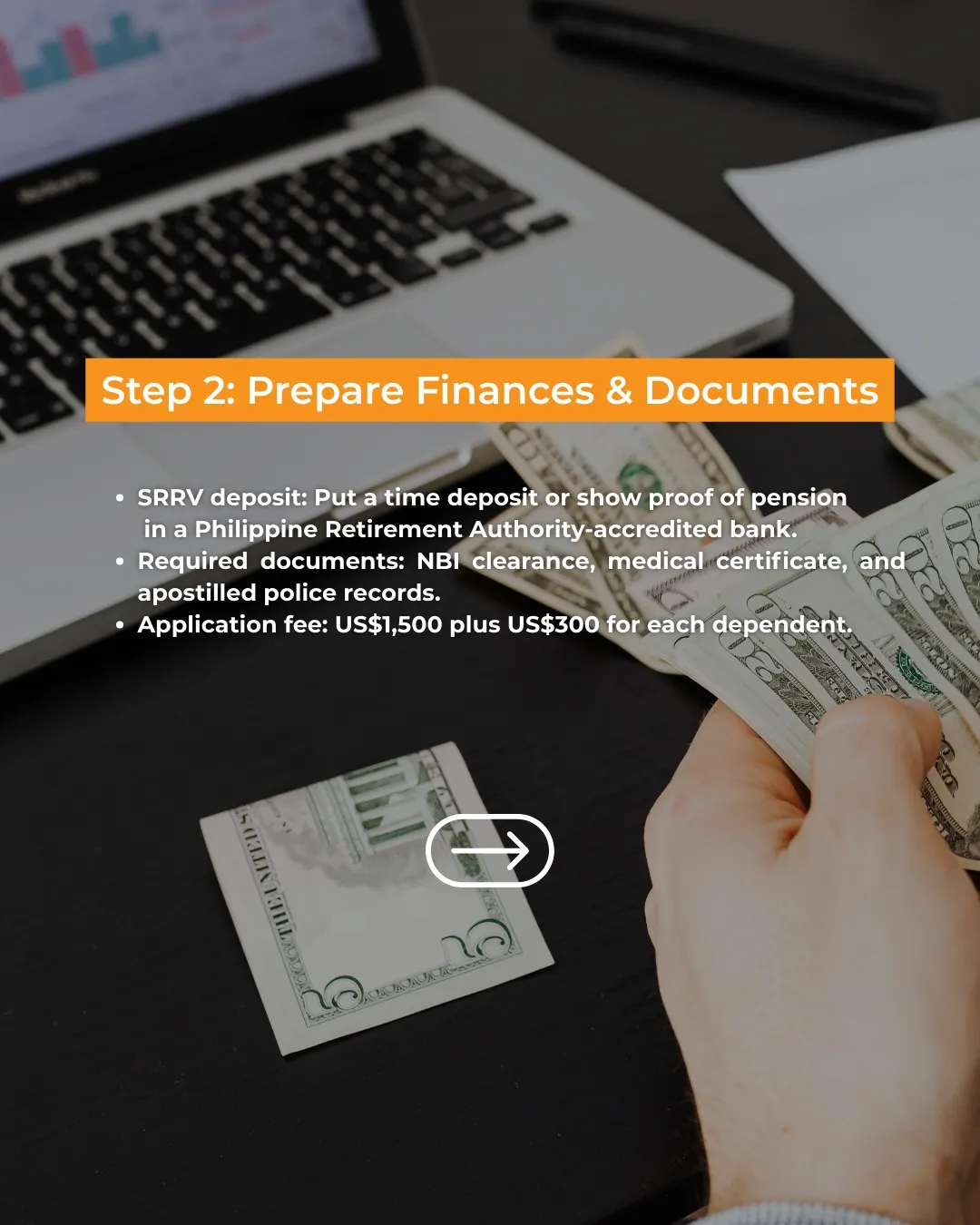
2. Financial Preparation and Budgeting
Cost of living varies widely depending on where you plan to live. Preparing financially upfront will make your transition much easier.
Estimate your monthly expenses:
- Rent:
- Manila, prime areas like BGC or Makati. ₱30,000 to ₱80,000 per month
- Cebu or Davao. ₱20,000 to ₱50,000 per month
- Provincial cities. ₱10,000 to ₱25,000 per month
- Utilities (electricity, water, internet): ₱4,000 to ₱10,000 per month
- Groceries: ₱6,000 to ₱15,000 per month depending on lifestyle
- Transportation: ₱1,500 to ₱8,000 per month
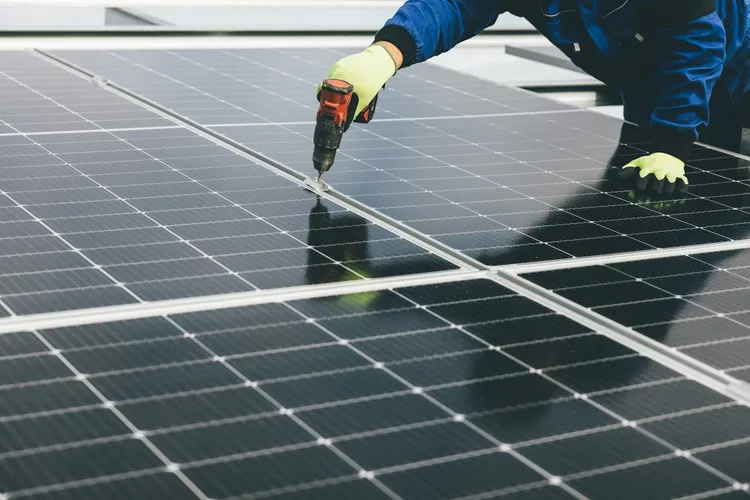
These price estimates are greatly impacted by the lifestyle beyond urban / rural. For example, if you want reliable power for your home, a generator, home battery backup solution, solar power, parts, tools, and knowledge to maintain these all add to costs. See some of our earlier blog posts on these topics.
Banking tips:
- Notify your home bank about overseas activity to avoid blocked transactions.
- Consider international banks or fintech services such as Wise or Revolut for lower transfer fees.
- Some local banks require proof of residency before you can open an account, so plan accordingly.
Set aside an emergency fund: Aim for three to six months of living expenses during your adjustment period.
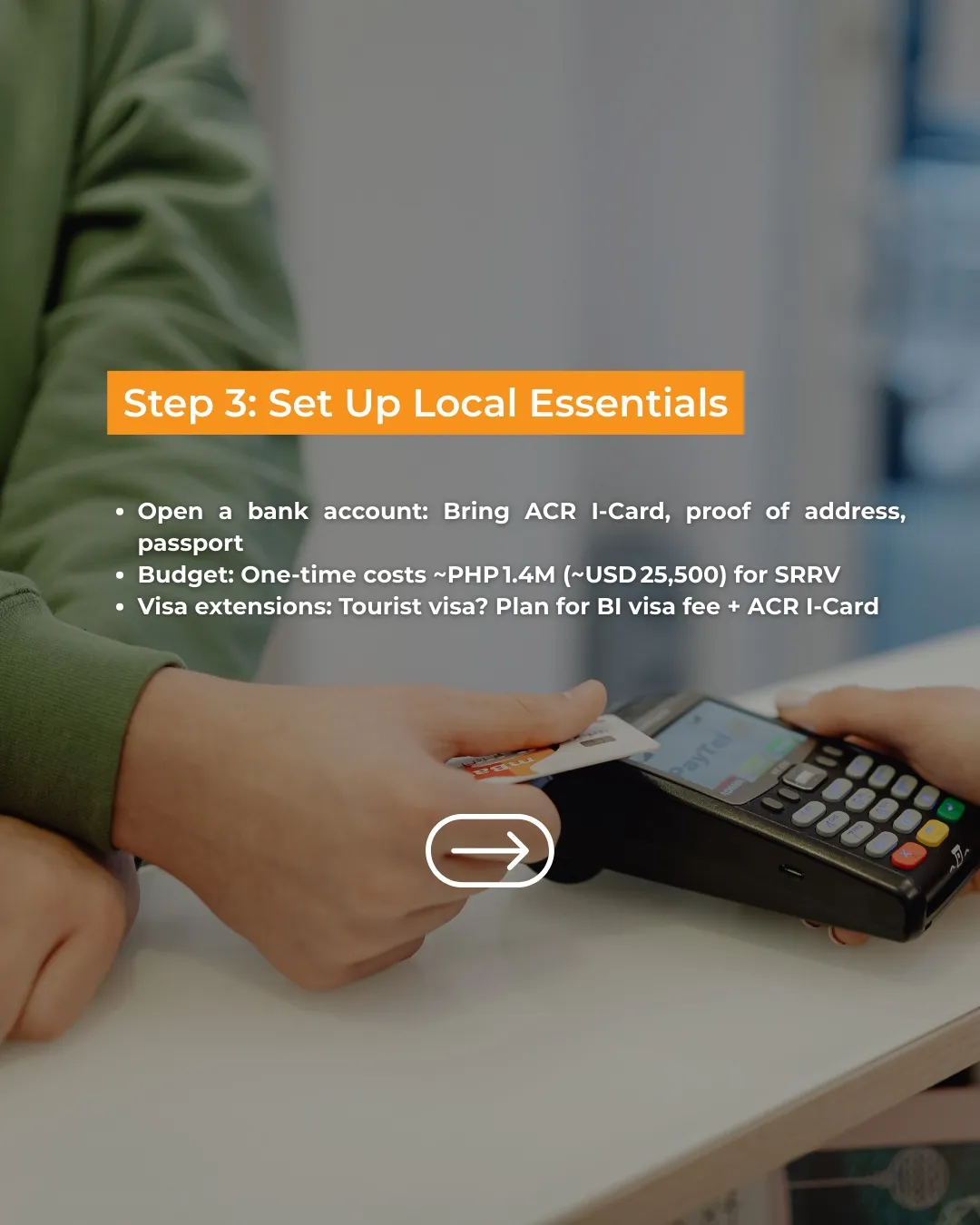
3. Choose Your Location and Housing Carefully
The Philippines offers a wide range of living environments, from high-rise urban districts to quiet coastal towns.
Key factors to evaluate:
- Climate risks, such as whether the area is prone to flooding or typhoons
- Internet availability, since urban areas have faster and more reliable connections
- Walkability and transport accessibility
- Safety and overall community environment
Housing tips:
- Avoid signing long-term leases until you have visited the area in person.
- Use legitimate property platforms or trusted agents.
- Always inspect units for water pressure, ventilation, noise levels, and mobile or internet signal.
4. Healthcare and Insurance
Healthcare standards vary across the country. Private hospitals offer high-quality care, but they can be expensive without insurance.
Before moving:
- Secure international or local health insurance with coverage for inpatient and emergency care.
- Research reputable hospitals near your chosen area, such as St. Luke’s, Makati Med, Chong Hua, or The Medical City.
- Bring physical and digital copies of important medical records.
Medications: Some international brands may not be available or may have different formulations. Consider bringing a few months’ supply.
- Technology, Connectivity, and Communication A stable digital setup will make your transition smoother. Essentials:
- Local SIM card: Globe and Smart are the most common
- Fiber internet: Usually available in cities, and installation can take days to weeks
- Payment apps: GCash, Maya, and mobile banking apps are widely used for daily transactions
Useful apps to download:
- Grab
- Google Maps or Waze
- Lazada or Shopee
- Foodpanda
- Payment apps mentioned earlier.
6. Cultural Adjustment and Daily Life
The Philippines is known for warmth, hospitality, and a mix of Asian and Western influences. However, cultural differences may take time to adjust to.
Expect:
- “Filipino time”, meaning schedules may be more flexible
- “Indirect communication, because people may avoid saying “no” directly
- Strong community values, where relationships and respect are highly valued
- English widely spoken, especially in cities, which makes transition easier
Practical lifestyle notes:
- Traffic can be intense in Manila, so choose your location carefully.
- Cash is still widely used in small shops.
- Tipping culture exists, typically around 5 to 10 percent.
- The weather is hot and humid for most of the year.
See Things That Surprise Foreigners for additional information.
Thinking of Moving to the Philippines? Get Reliable Guidance.
Online communities are helpful for general questions. For anything important, you still need accurate, professional, and updated information. E636 Expat Services helps foreigners with:
- Residency and long term visas
- Bank account opening
- Health insurance guidance
- Real estate assistance
- Business setup
- Retirement planning
- A smooth and secure transition into life in the Philippines
If you want to move with confidence instead of relying on random comments online, we can guide you every step of the way.
Book a consultation with E636 and start your journey the right way.