Access To A US Phone Number While Living Abroad
expat 21-01-2026
Here’s practical guide for the main ways a U.S. person can keep or obtain a U.S. phone number while living overseas, with pros, cons, and best-fit use cases.
There are several ways this can be accomplished. Ongoing costs and reliability vary.
1. Keep a U.S. Mobile Number via Wi-Fi Calling (Traditional Carriers)
How it works:
You keep your existing U.S. mobile plan and use Wi-Fi calling (and sometimes cellular roaming) while abroad.
Common carriers: Verizon, AT&T, T-Mobile
Pros
- Keeps your original U.S. number (important for banks, IRS, SSA, 2FA)
- Works with SMS short codes (critical for financial accounts)
- Familiar setup
- In some countries, the system has a VPN-like capability built in that routes your traffic through the United States. I’ve seen this in Panama with Sprint / T-Mobile. Doesn’t work this way in every country. You can always use your own VPN client on each device.
Cons
- Can be expensive (monthly fees, roaming risks)
- Some carriers throttle or terminate accounts used mostly overseas
- Requires careful settings to avoid accidental roaming charges
Best for:
People who must keep their original number and rely heavily on U.S. banks or government services.
Tip: T-Mobile historically tolerates overseas use better than Verizon/AT&T, but policies change.
2. Port Your U.S. Number to a VoIP Service (Most Popular Expat Option)
You port your existing U.S. number (or get a new one) to an internet-based phone service.
Common Providers
- Google Voice (not 100% VOIP compliant, but still works)
- NumberBarn
- VoIP.ms
- Callcentric
- OpenPhone (more business-oriented)
I’ve been using Google Voice and Telnyx for years.
How it works
Calls and texts come through an app or web browser over the internet.
Pros
- Very low cost (often $0–$20/month)
- Works anywhere with internet
- No roaming
- Easy call forwarding and voicemail management
Cons
- Some U.S. banks block VoIP numbers for SMS 2FA
- Short codes may not work reliably
- Emergency services (911) are limited or separate
Best for:
Long-term expats who want a stable U.S. presence number and don’t rely on SMS-only bank authentication.
Important: Before porting, verify which of your banks/services accept VoIP numbers.
In the past, the advice that was given in privacy-oriented circles was to take cellphone number from a prepaid carrier such as Mint Mobile or similar service, use it for a few months, then port that number to one of the VOIP services mentioned above. This would get the phone number listed as “not VOIP” in the various identification databases. Those databases would often be updated once upon the number being issued and then never updated if the number was passed to a new carrier. This would effectively allow the number to bypass the checks done by many services to detect a VOIP number. Those services are getting better and this doesn’t necessarily work anymore. Or, maybe the customer (your bank, favorite app, etc) only checks the number once against that service or never checks again.
Likewise, for your existing phone number that you’ve had for decades, porting it to a VOIP system or Google Voice might work perfectly for a while with every service, but one day just stop working because a major database that flags normal cellular numbers from VOIP numbers got updated with the latest information about your phone number.
At a minimum, it’s good to have a viable backup plan in place with a second phone number. That second phone number should be through an alternate technology / vendor. What if Google cancels Google Voice tomorrow? Unlikely, but you get the idea.
3. Dual-SIM Phone: U.S. Number + Local SIM
How it works:
Use a phone with dual SIM or eSIM, keeping:
- A U.S. SIM (for calls/texts)
- A local SIM (for data and local calls)
Pros
- Best of both worlds
- Real U.S. mobile number (not VoIP)
- Works with most SMS-based authentication
- Local data is cheap and fast
Cons
- U.S. SIM may still incur monthly charges
- Requires compatible phone
- Needs careful management to avoid roaming charges
Best for:
Expats who want maximum compatibility with U.S. services and don’t mind paying to keep a U.S. line active.
4. U.S. Virtual Number Services (New Number, Not Ported)
If you don’t need your original number:
- Providers
- Google Voice (new number)
- TextNow
- Skype Number
- Burner (temporary)
Pros
- Quick setup
- Cheap or free
- No U.S. residency required (sometimes)
Cons
- New number (not ideal for banks)
- Frequently blocked for financial SMS
- Numbers can be recycled if inactive
Best for:
General calling, business contacts, friends/family — not critical authentication.
5. Business-Grade Cloud Phone Systems (Heavy Users)
Examples
- RingCentral
- Zoom Phone
- 8x8
- Dialpad
Pros
- Very reliable
- Excellent call quality
- Multiple devices
- Professional appearance
Cons
- Overkill for personal use
- More expensive
- SMS support varies
Best for:
Remote workers, consultants, or business owners who need a serious U.S. phone presence.
6. Emergency & Government Considerations (Important)
IRS, SSA, banks, and brokerages often require:
- A U.S. phone number
- SMS authentication
- Many do not accept VoIP numbers
- Some allow voice call verification instead of SMS — ask.
Best practice for expats:
- Keep one real U.S. mobile number (even minimally used) for:
- Banking
- Government
- Account recovery
Then use VoIP or local SIMs for everything else.
Recommended Setups (Real-World)
- Conservative / Low Risk
- Keep a U.S. mobile line
- Enable Wi-Fi calling
- Use local SIM for data
- Balanced (Most Expats)
- Port U.S. number to Google Voice
- Keep one backup U.S. SIM for banks that reject VoIP
- Use local SIM for daily use
- Cost-Minimizer
- VoIP number only
- Accept that some banks/services may be unavailable
Bottom Line
There is no single perfect solution — the right setup depends on:
- How many U.S. financial institutions you use
- Whether SMS short codes are critical
- Your tolerance for monthly costs
- Whether you need your original number
Lowest-Cost vs. Highest-Reliability Options for Expats
- Lowest-Cost vs. Highest-Reliability: Best Options for Expats
- Lowest-Cost Option — Affordable With Limitations
Option: Port Your U.S. Number to Google Voice
How it works
Move your existing U.S. number into Google Voice.
Use the number via the Google Voice app over Wi-Fi or data.
Make/receive calls and texts through the app.
Cost
- One-time porting fee (usually ~$20)
- Free ongoing use over Wi-Fi/data
- No monthly carrier bill
Pros
- ✔ Very low ongoing cost (effectively free)
- ✔ Works anywhere with internet
- ✔ SMS and calls in a single app
- ✔ Easy on multiple devices (phone + computer)
Cons
- ⚠ Some financial institutions reject VoIP numbers
- ⚠ Short-codes and some SMS may fail
- ⚠ Emergency calling (911) not supported in the traditional way
Best For
- General communications
- Messaging with contacts in the U.S.
- Low budgets
Suitability
- ⭐ ⭐ ⭐ Cost
- ⭐ ⭐ ☆ Reliability overall
- ⭐ ☆ ☆ Bank/official 2FA compatibility
Quick Setup
- Grab a U.S. mobile number you want to keep.
- Port it into Google Voice (one-time fee).
- Install the app and sign in with your Google account.
🛡️ Highest-Reliability Option — Works With Banks & Critical Services
Option A: Keep a Minimal U.S. Mobile Line + Local SIM / eSIM
How it works
- Maintain a real U.S. mobile plan with a carrier (like T-Mobile or AT&T)
- Use Wi-Fi calling to reduce roaming charges abroad
- Add a local SIM (or eSIM) for daily connectivity and local data
Cost
- Minimal basic plan (e.g., voice + text; can be very cheap on prepaid).
- Local data plan (varies by country).
Pros
- ✔ Accepted by ALL banks/government SMS 2FA
- ✔ Works with short codes
- ✔ Works offline too (voice/SMS on network)
Cons
- ⚠ Monthly carrier bill required
- ⚠ Need to manage roaming/Wi-Fi calling settings
- ⚠ Some carriers enforce usage conditions
Best For
- Bank & broker SMS authentication
- Government account verification
- Security-sensitive services
Suitability
- ⭐ ⭐ ⭐ Reliability
- ⭐ ⭐ ⭐ Bank/eGov compatibility
- ⭐ ⭐ ☆ Cost
Option B: Dual-SIM / eSIM With US + Local Plan
How it works
- Phone supports two SIMs/eSIMs
- One SIM stays with a U.S. carrier
- One is a local SIM (data & calls in country of residence)
Pros
- ✔ Strongest compatibility with U.S. SMS auth
- ✔ Local SIM keeps your daily costs low
- ✔ Avoid roaming data charges
Cons
- ⚠ Must pay two lines (one small U.S. line + local plan)
- ⚠ Device must support dual SIM or eSIM
Best For
Expats who need:
- Best 2FA reliability
- Local service convenience
- Backup international number
Suitability
- ⭐ ⭐ ⭐ Reliability
- ⭐ ⭐ ⭐ Compatibility with banks / 2FA
- ⭐ ⭐ ☆ Cost (mid)
Decision Rules: What to Choose
| Priority | Best Setup |
|---|---|
| Lowest monthly cost | Google Voice |
| Best for bank/2FA compatibility | U.S. carrier + local SIM |
| Balanced reliability + cost | Dual-SIM with basic U.S. line + local SIM |
Tips for Expats
1. If You Need Bank Authentication
Many U.S. banks refuse verification codes to VoIP numbers (like Google Voice). Keeping a real U.S. mobile number (even on the cheapest plan) dramatically increases reliability with:
- ✔ Bank account 2FA
- ✔ Brokerage/trading account alerts
- ✔ Tax/IRS notices
- ✔ Government services (SSA, IRS, VA, etc.)
2. Lower Your Carrier Cost
You don’t need full data on your U.S. line. You can often downgrade to:
- Voice + text only plan
- Prepaid plan with minimal monthly fee
Then use Wi-Fi calling or your local SIM for data.
3. Dual-SIM Devices Are Your Friend
Modern phones with dual SIM (physical + eSIM) make managing two numbers easy. You can:
- Use your U.S. line for SMS/voice verification
- Use your local line for WhatsApp, local calls, and data
Quick Recommendation Summary
| Setup | Works With Bank SMS? | Works Abroad Without Internet? | Cost |
|---|---|---|---|
| Google Voice (VoIP) | ❌ limited | ❌ | Lowest |
| U.S. Mobile Plan + Local SIM | ✔ Yes | ✔ Yes | Moderate |
| Dual SIM with U.S. Line | ✔ Yes | ✔ Yes | Moderate |
Final Advice
If you must interact with:
- U.S. banks
- Government portals
- Brokerages
- Official SMS-auth systems
Tip: you should keep a U.S. number on a real mobile line, even at minimal cost.
Google Voice can be a great secondary number for messaging and casual use, but it shouldn’t be your primary number for 2FA unless you’ve confirmed all services you use accept it.
Thinking of Moving to the Philippines? Get Reliable Guidance
Online communities are helpful for general questions. For anything important, you still need accurate, professional, and updated information. E636 Expat Services helps foreigners with:
- Residency and long term visas
- Bank account opening
- Health insurance guidance
- Real estate assistance
- Business setup
- Retirement planning
- A smooth and secure transition into life in the Philippines
If you want to move with confidence instead of relying on random comments online, we can guide you every step of the way.
Book a consultation with E636 and start your journey the right way.
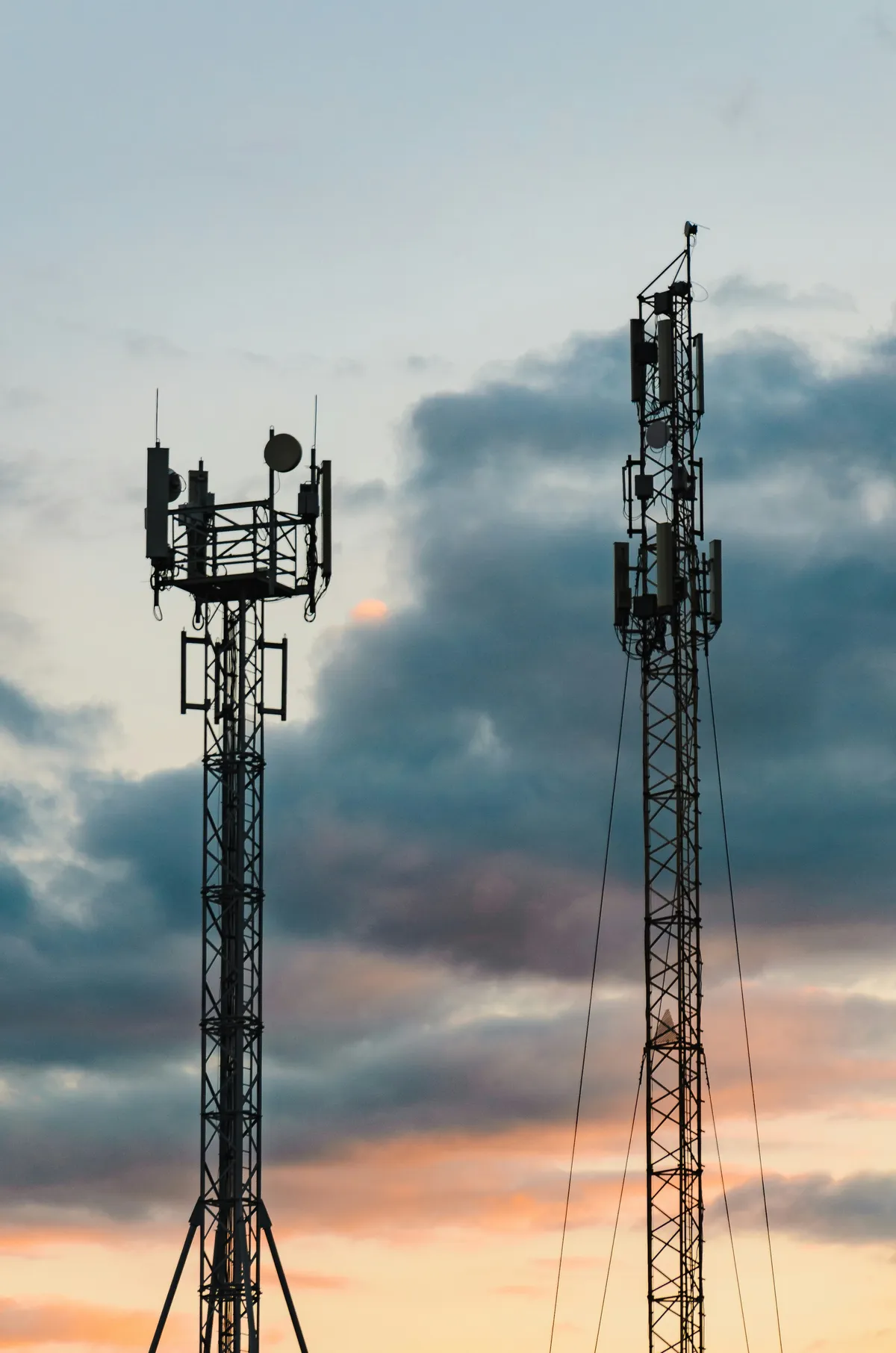
Photo by Egor Litvinov on Unsplash