Income Inequality -- Filipino Edition
culture 17-01-2026
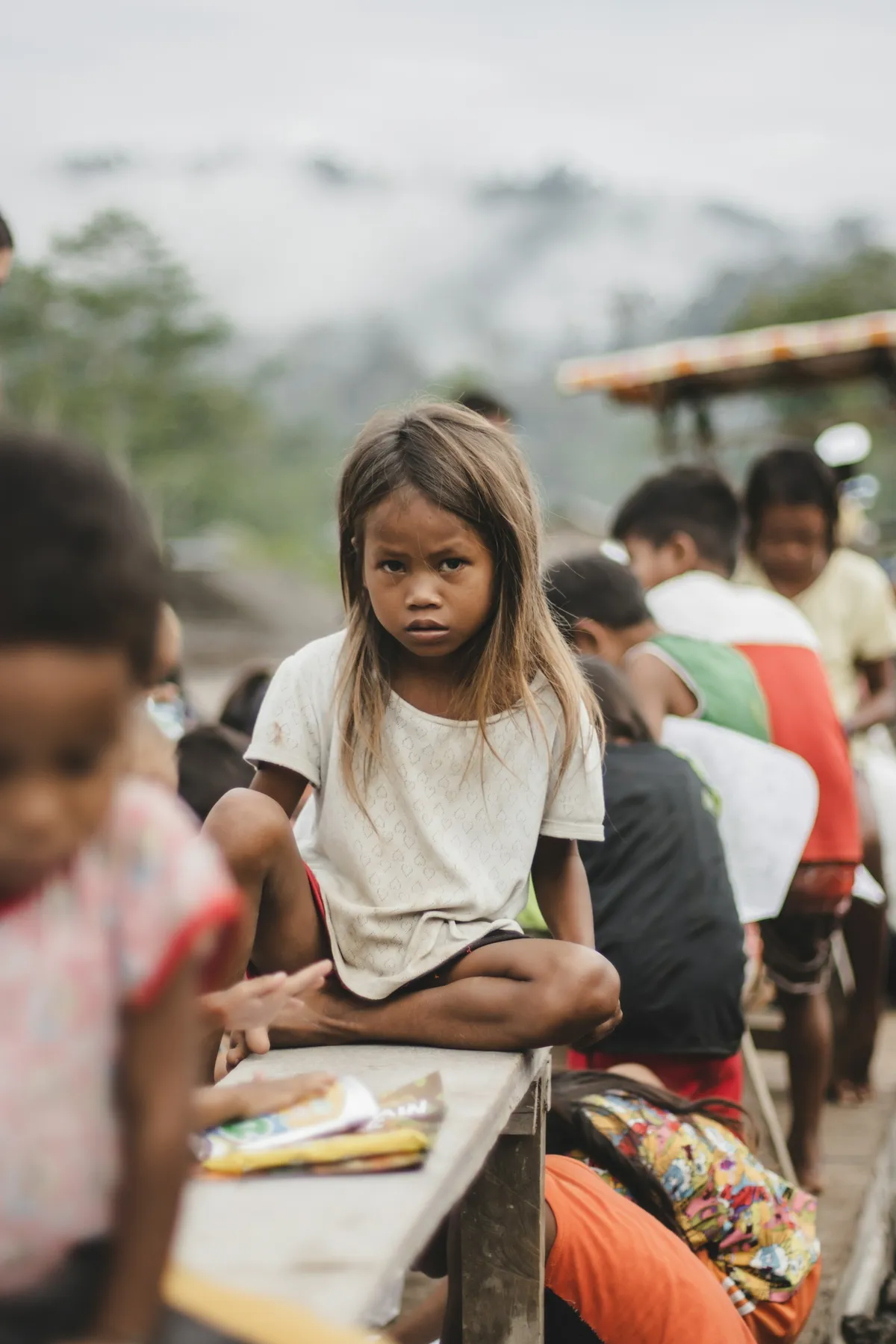
Let’s talk about income inequality in the Philippines, contrasted with trends in the United States, including why the perception that the Philippines is worse holds water—and where the nuance lies.
Income Inequality in the Philippines: How Bad Is It — and How It Compares to the U.S.
Income inequality isn’t just an economic statistic — it’s a lived reality shaping opportunities, neighborhoods, jobs, and life outcomes. For many expats and residents in the Philippines, the stark division between wealth and poverty feels worse than in other countries, and the data largely supports that intuition.
What Income Inequality Looks Like in the Philippines
Economists measure income inequality using the Gini coefficient, a number between 0 and 1 (or 0 to 100 if expressed as a percentage).
- 0 means perfect equality (everyone earns the same).
- 100 means perfect inequality (one person earns all the income).
The Philippines’ income Gini has been persistently high for decades — much higher than many regional peers. World Bank data shows the Gini coefficient in the Philippines was around 47.7 in 2000, dropping slightly over time to about 39.3 by 2023 — but still high by global standards.
A World Bank report noted the Philippines had one of the highest inequality rates in East Asia, with the top 1 percent of earners capturing about 17% of national income, while the bottom 50% together received just 14%.
Other indicators show that:
- The poorest 20% of Filipinos earn a very small share of total national income, often under 5%.
- Over 15% of the population still lives in poverty, even after recent improvements.
Income inequality also varies across regions: some areas near major economic centers like Metro Manila have very different income distributions compared to provinces.
Why People Feel Inequality Is Worse in the Philippines
There are several structural reasons inequality can feel more acute:
1. Sharp Wealth Stratification
Not only income but wealth (assets like property and investments) is highly concentrated among a small elite. Top income brackets and wealthy families capture disproportionate shares of national income and opportunity.
2. Uneven Economic Growth
Economic activity and high-paying jobs are heavily concentrated in urban hubs — particularly Metro Manila and other Luzon regions — leaving many other regions behind.
3. Limited Social Safety Nets
Compared with rich countries, social insurance, minimum wage enforcement, public healthcare, and unemployment systems are less extensive, meaning that poor households feel economic shocks more intensely.
4. Persistent Poverty Despite Growth
While poverty has fallen significantly over decades — from nearly half the population in the mid-1980s to around 15% more recently — inequality hasn’t fallen as fast.
How Income Inequality in the U.S. Looks Over Time
Income inequality in the United States is also high by developed-country standards, and it has grown over recent decades — but the context and level of development make the comparison more nuanced.
According to long-running U.S. data:
- The U.S. Gini coefficient for household income has hovered around the low 40s in recent years. In 2023 it was about 41.8.
- Since the 1980s, income inequality in the U.S. has increased significantly, with income growth accruing primarily to the top income brackets.
For perspective, OECD and Census Bureau data show the U.S. has higher income inequality than most other advanced economies, and inequality trends have been widely debated as a key social and political issue.
Is Inequality Worse in the Philippines Than the U.S.?
At face value the raw Gini numbers for the Philippines and the U.S. (both in the 40s) look similar, and that similarity already places both countries among the more unequal in the world. What makes the Philippines feel and functionally be more unequal are some key structural differences:
1. Development Level & Safety Nets
In the U.S., while inequality is high, strong social programs (Social Security, Medicare, unemployment insurance) and broader middle class cushion many effects of inequality — even though wealth inequality (a related but distinct concept) is extremely high. In the Philippines, social safety nets and guaranteed income supports are much smaller.
2. Basic Income & Services
Minimum wages, universal health coverage, unemployment assistance, and public services are more limited in the Philippines — meaning low-income households have fewer buffers against shocks.
3. Wealth vs. Income
Wealth inequality (how assets are distributed) is often even more extreme than income inequality. In the U.S., wealth inequality is among the highest in the world; but because the Philippines also lacks broad asset ownership outside the elite, economic mobility is often lower.
4. Regional Differences
The Philippines’ geographic fragmentation and uneven development across islands creates a sharper divide between those who live near economic hubs and those who don’t.
So while the numbers may look “similar,” the lived experience can be harsher in the Philippines, especially for people without access to urban economic opportunities, social programs, or financial buffers.
What Underlies Inequality in Both Countries
Despite the differences, some common factors drive inequality globally:
- Technological change that favors high-skill labor
- Capital accumulation benefiting owners over workers
- Education gaps between high-income and low-income groups
- Policy decisions on taxes, minimum wages, and transfers
In the Philippines, inequality is compounded by regional disparities, limited social spending, and structural factors rooted in access to education and employment.
In the U.S., inequality has grown with wage stagnation for middle and lower classes and surging incomes for the top percentile, supported by tax and policy choices over decades.
Final Thought
Income inequality is a global challenge, but its impact depends as much on social policy and economic structure as it does on raw numbers. The Philippines’ inequality has been stubbornly high for decades, and for many residents, this inequality is palpable in everyday life — from job access to education to health outcomes. While the U.S. also wrestles with deep inequality, its higher overall level of development and social support mechanisms often soften the most extreme impacts, creating a different lived experience even when Gini coefficients look similar.
Thinking of Moving to the Philippines? Get Reliable Guidance
Online communities are helpful for general questions. For anything important, you still need accurate, professional, and updated information. E636 Expat Services helps foreigners with:
- Residency and long term visas
- Bank account opening
- Health insurance guidance
- Real estate assistance
- Business setup
- Retirement planning
- A smooth and secure transition into life in the Philippines
If you want to move with confidence instead of relying on random comments online, we can guide you every step of the way.
Book a consultation with E636 and start your journey the right way.
Photo by Zeke Tucker on Unsplash.