Grocery Shopping: Urban vs Rural Filipino Experience
expats 28-12-2025
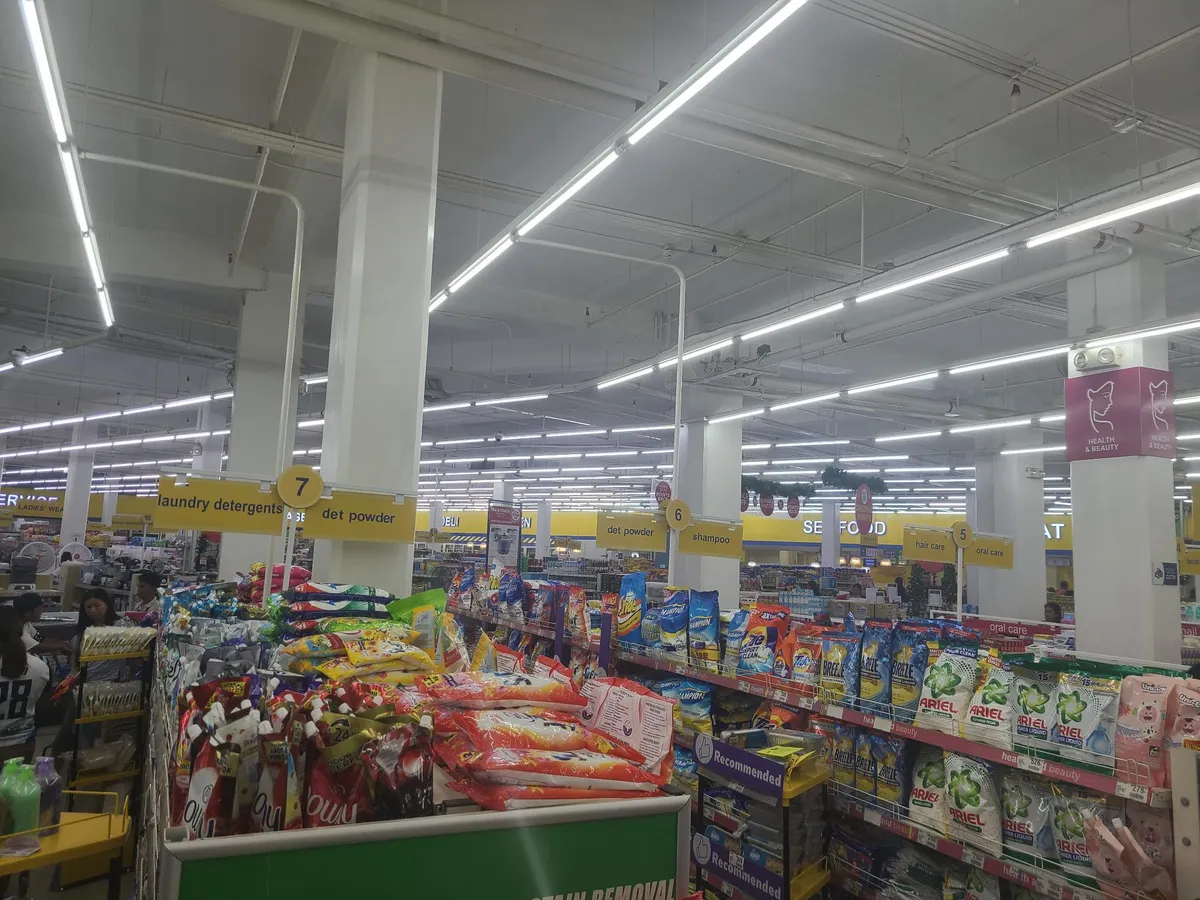
Table of Contents
- Grocery Stores in Urban Areas of the Philippines
- Grocery Stores in Rural Areas of the Philippines
- Rural vs. Urban Food Costs in the Philippines
- Thinking of Moving to the Philippines? Get Reliable Guidance
Grocery Stores in Urban Areas of the Philippines
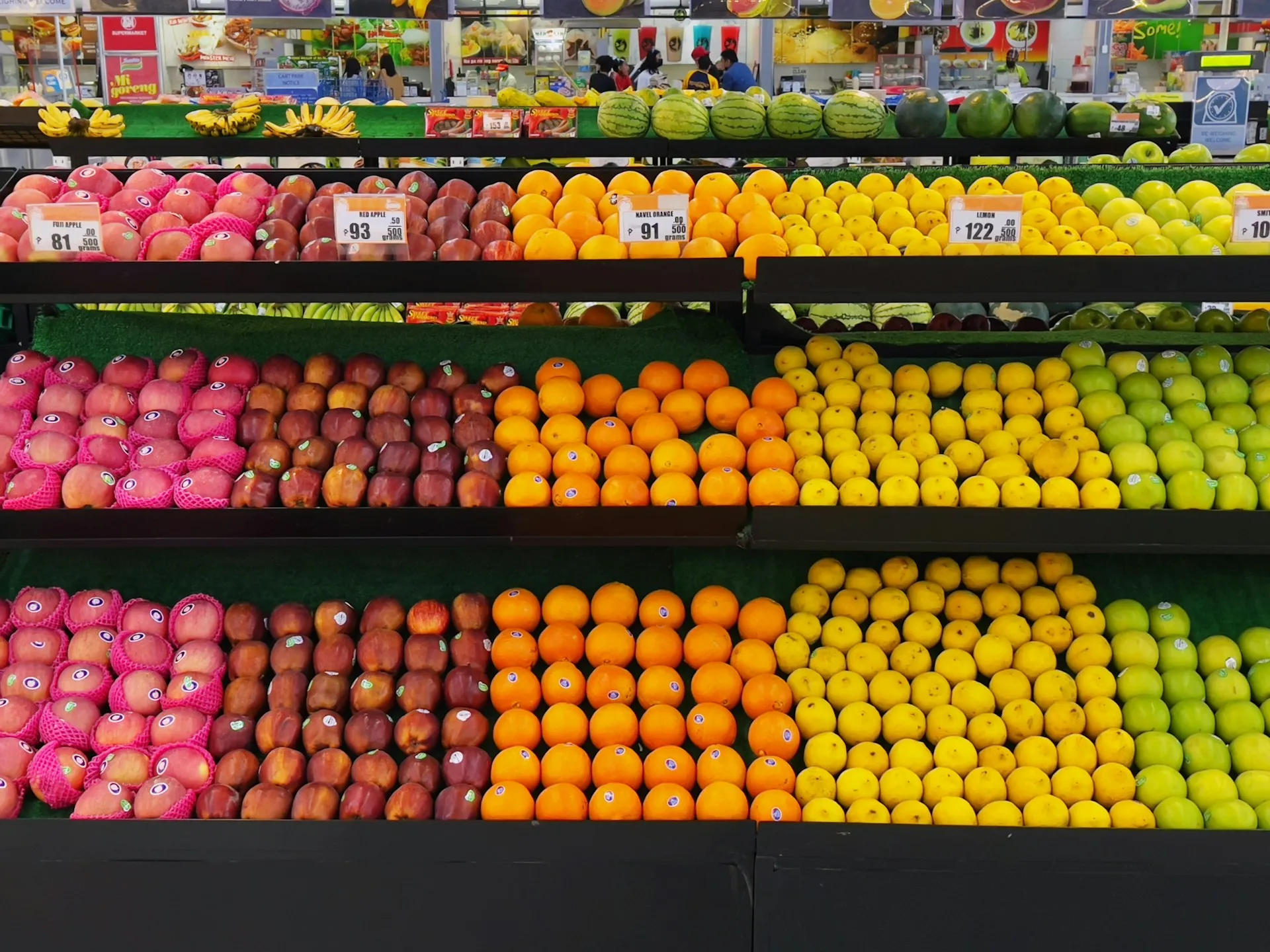 Photo by ethan on Unsplash
Back to the Top
Urban Philippine grocery shopping ranges from perfectly modern to chaotic, sometimes within the same building. If you’re coming from the US, EU, or Australia, nothing here will shock you, but some things will mildly irritate you.
There are several options.
1. Major Supermarket Chains
Urban areas (Metro Manila, Cebu, Davao, Iloilo, etc.) are well covered by large chains:
SM Supermarket / SM Hypermarket / SM Savemore
These guys are most dominant player.
An SM Savemore is where we usually go—which is a two hour drive away.
These are Located inside SM malls (which are everywhere).
Wide selection of:
- Local products
- Imported goods
- Household items
Savemore = smaller neighborhood version
Hypermarket = larger, warehouse-style
Quality is consistent. Expect crowds. Always crowds. I will often wait in line longer to checkout at our Savemore than I do actually doing shopping.
These stores have their own backup generators; so, when the commercial power inevitably goes out these stores switch to generator. However, when the failback, the lights flicker (not so bad) and all the computer systems reboot. It took twenty minutes to get all the cashier checkout computers running, users logged in, and groceries being bought once again. Building reliable, seamless backup power systems can be expensive and complicated—there will always be a scenario you haven’t thought of.
Shopping somewhere that can actually sell something during power outage (with something other than cash) s is a refreshing change from a number of other stores in the same town.
Robinsons Supermarket
- Slightly more upscale feel
- Cleaner layouts
- Better imported selection in some locations
- Often favored by middle-class shoppers and expats
Puregold
- Budget-focused
- Bulk items
- Popular with sari-sari store owners
- Less imported goods, more local staples
Efficient, no-frills, and not pretending to be fancy.
2. Higher-End / Expat-Friendly Grocers
These are where you go when you miss things like decent cheese or cereal that doesn’t taste like regret.
Rustan’s Marketplace
- The “premium” supermarket
- Best selection of imported foods
- Expensive by local standards
- Clean, quiet, and noticeably calmer
S&R Membership Shopping
- Costco-style warehouse
- Requires membership
- Imported meats, cheeses, snacks
- Large portion sizes
- Parking lots full of SUVs and mild optimism
Landers Superstore
- Similar to S&R
- Slightly more polished
- More Western brands
- Also membership-based
These stores are expat lifelines. You will eventually surrender and pay the membership fee.
3. Convenience Stores (Everywhere, Always)
Urban Philippines runs on convenience stores.
- 7-Eleven – absolutely everywhere
- Ministop / Uncle John’s
- FamilyMart
Used for:
- Snacks
- Drinks
- Mobile load
- Bills payment
- Emergency meals at 2am
They are not cheap (by local standards), but they are unavoidable.
7-Eleven has decent chicken (nuggets, wings, thighs, etc)—you know, 2am munchies food.
4. Fresh Markets Still Matter
Even in cities, traditional wet markets coexist with supermarkets.
Why people still use them:
- Fresher produce
- Cheaper meat and fish
- Custom cuts
- Daily shopping culture
Why expats hesitate:
- No air conditioning
- Variable hygiene
- You need to know what “fresh” looks like
Many urban households mix:
- Supermarket for packaged goods
- Wet market for produce and protein
One of the most profound bouts of diarrhea I’ve ever had came from “fresh” food from a Filipino wet market. I should point out that I have what is referred to as a “weak western stomach” by the locals. Results will vary.
5. What You’ll Notice Immediately
Selection Gaps
You’ll find:
- Five brands of soy sauce
- Twelve kinds of instant noodles
You may not find:
- The specific brand you like
- Consistent availability
- The same item two weeks in a row
Stock inconsistency is normal. Learn to be flexible.
The grocery store we shop at has Heinz ketchup about once a month. It never seems to beat the same point in the month. There is a local brand of tomato ketchup that is a bit spicier, but not bad. I tend to buy eight or ten bottles of Heinz ketchup at a time. Whenever I am in Manila, I pick up a bunch as well.
Imported Goods Are Expensive
Anything imported:
- Cheese
- Wine
- Cereal
- Sauces
- Snacks
…will cost noticeably more than back home.
Local products are cheap. Imported comfort foods are luxury items.
Crowds and Checkout Lines
- Weekends are chaos
- Payday weekends are worse
- Holidays are a test of character
Cashiers are fast. The problem is volume, not competence.
In the town where we go grocery shopping, they ask every customer if they want the groceries boxed up. Many of the people shopping there are visiting from the surrounding rural areasand will need the groceries boxed for the ride home, which is typically on a tricycle. This takes a lot of time if you filled up two carts (or more).
6. Payment and Bags
- Cash is still common
- Cards are widely accepted in urban areas (until the power is out).
- Bring your own bag or pay for one
- Bagging is often done for you (efficiently, sometimes creatively)
- Having it packed in a box for you makes transportation back home easier if far away. COME_BACK: Rural vs urban grocery differences
Here’s the unvarnished, lived-experience version of grocery shopping in the rural Philippines—the part nobody puts in relocation brochures.
Grocery Stores in Rural Areas of the Philippines
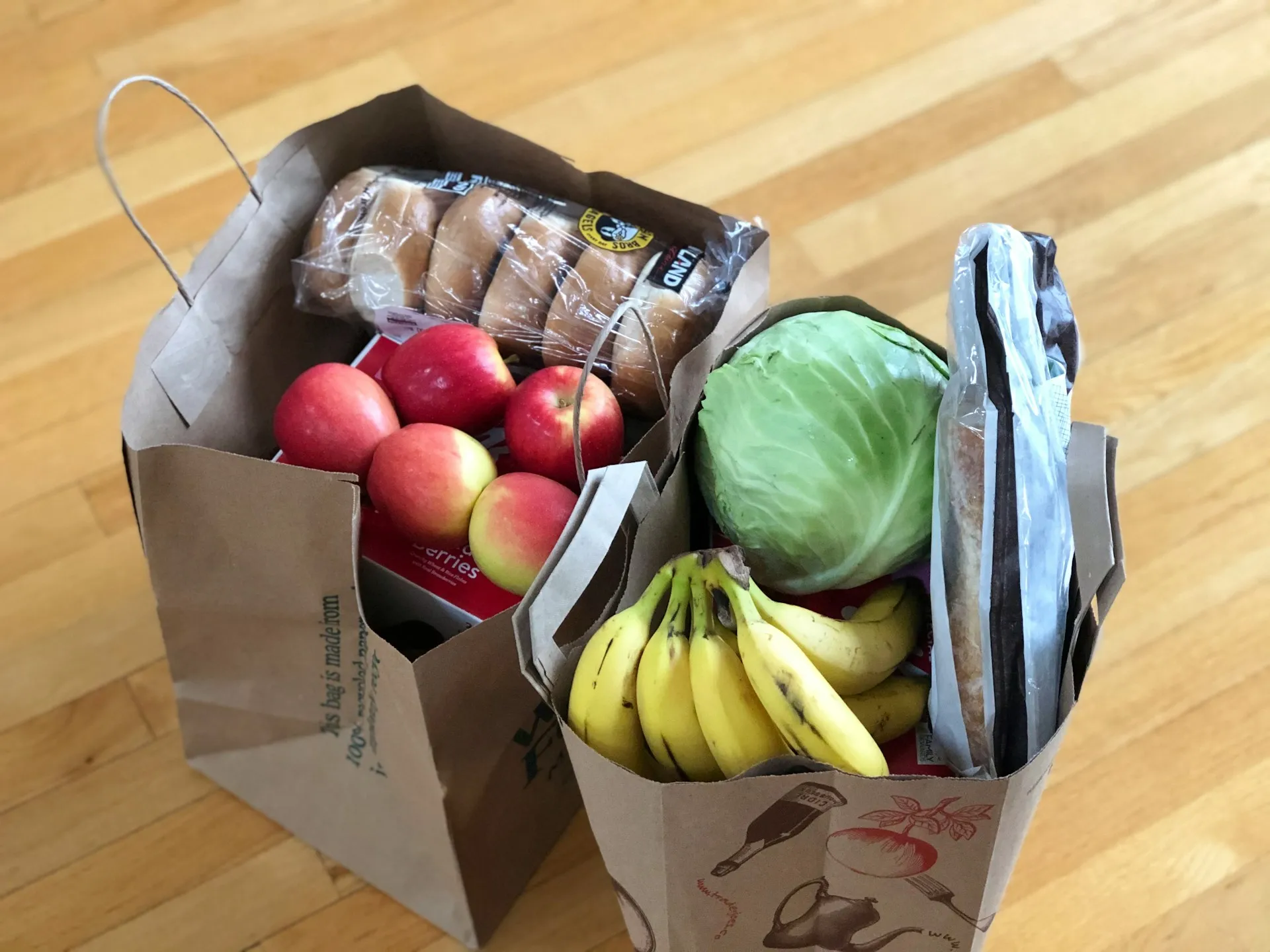 Photo by Maria Lin Kim on Unsplash
Back to the Top
Here’s the unvarnished, lived-experience version of grocery shopping in the rural Philippines—the part nobody puts in relocation brochures.
In rural Philippines, the word “grocery store” is used generously. What you actually get is a layered ecosystem of small shops, periodic markets, and the occasional concrete building bravely calling itself a supermarket.
It works—but only if you reset your expectations.
1. The Sari-Sari Store: The Backbone of Rural Life
The most common “store” is the sari-sari, a tiny family-run shop attached to a house.
They sell:
- Single cigarettes
- Sachets of shampoo, coffee, soy sauce
- Instant noodles
- Canned sardines
- Candy, chips, and soft drinks
Everything is:
- Small
- Cheap
- Sold one unit at a time
Credit (utang) may be available—if you’re local, known, and trusted. Foreigners are usually cash-only until proven otherwise.
2. Small Town “Groceries”
Some barangay centers or small towns have:
- A modest grocery store
- One or two aisles
- No air conditioning
- A freezer that works when it feels like it
Selection typically includes:
- Rice
- Cooking oil
- Eggs
- Canned goods
- Basic condiments
- Cheap household items
Imported goods are rare. Brand choice is minimal. If it’s out of stock, it’s out of stock until the truck comes.
Supply chains fail quietly. My girlfriend and her sister run a small store in their parent’s barangay. They sell Coke Cola produts among many things. There is one truck that delivers product to every store for a couple of hours drive north and south of that location. Every so often, the truck won’t come. It’ll be a couple of weeks before they see it. That’s just one example. Virtually anything that is made elsewhere and shipped here has similar potential issues. The supply chains in the rural Philippines have numerous single points of failure just with trucks and drivers.
They also sell ice. This is probably their single most popular product. Over the last few years, they’ve invested in three freezers to make ice. The local highway construction crews and police working local checkpoints usually by up most of the ice by 6am.
3. The Public Market (Palengke)
This is where real food comes from.
Rural markets sell:
- Fresh fish (caught that morning)
- Vegetables grown nearby
- Pork and chicken butchered daily
- Bananas, coconuts, root crops
Markets may operate:
- Daily in larger towns
- Weekly in smaller areas
There is:
- No refrigeration
- No packaging
- No illusions
Freshness is real, but so is heat, flies, and mud when it rains.
4. Buying Cycles, Not Convenience
- Rural shopping follows supply cycles, not personal preference.
- Deliveries come once or twice a week—if you are lucky.
- Weather affects availability
- Fuel costs matter
- Holidays disrupt everything
If you forget something, you don’t “run out.” You wait…
5. Bulk Shopping Requires Travel
Anything beyond basics means:
- Traveling to the nearest city
- Hiring a vehicle or riding public transport
- Planning ahead
Most rural households:
- Stock rice monthly
- Buy canned goods in bulk
- Replenish fresh food frequently
Expats quickly learn the value of:
- Chest freezers
- Dry storage
- Backup supplies
6. Quality and Safety Reality
- Food safety is practical, not regulatory.
- Expiration dates exist but are not sacred
- Refrigeration is inconsistent
- Power outages are normal
Locals manage risk by:
- Cooking thoroughly
- Buying small quantities
- Knowing which vendor to trust
Packaged goods last. Fresh meat gets cooked the same day.
7. What You Will Not Find
Common expat surprises:
- No cheese (real cheese)
- No deli meats
- No baking supplies beyond basics
- No consistent brand availability
- No specialty diets catered to
Rural stores sell what moves. If you’re the only customer who wants it, it won’t be stocked.
8. The Social Aspect
- Shopping is social.
- Vendors know their customers
- Gossip travels faster than deliveries
- Your preferences become public knowledge
Once accepted, you may get:
- Better cuts
- Early access
- “I saved this for you” moments
- This takes time and patience.
Rural vs. Urban Food Costs in the Philippines
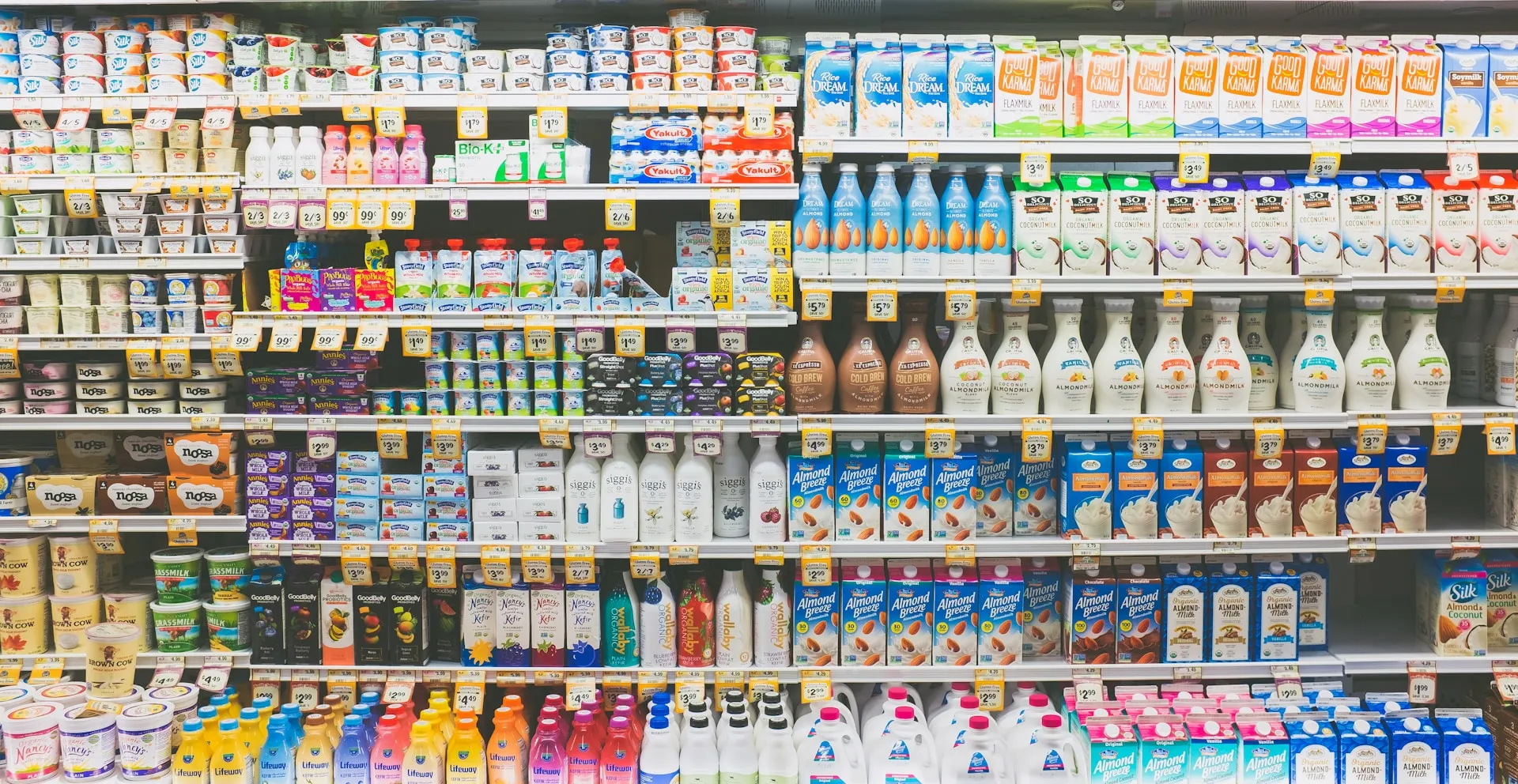 Photo by Kenny Eliason on Unsplash
Back to the Top
Short version:
- Local, fresh food is cheaper in rural areas
- Packaged, imported, or specialty food is cheaper (or only available) in cities
- Your total food budget depends more on what you eat than where you live
1. Fresh Produce (Vegetables & Fruit)
Rural
- Often cheaper
- Grown locally or nearby
- Minimal transport and middlemen
- Seasonal abundance can be extreme (too many bananas is a real problem)
Examples:
- Bananas, papaya, mangoes: very cheap or free
- Leafy greens, root crops: cheap
Urban
- More expensive
- Transported
- Marked up for convenience
- Better variety year-round
Winner: Rural
Where we live, the rice is generally regarded as not very good. My girlfriend and her family prefer to eat the Don Robert brand of rice. Likewise, the corn that is grown here is something that would probably be fed to horses in North America—it’s chewy and takes time to get down.
2. Meat, Fish, and Poultry
Rural
- Fish is cheaper near the coast
- Chicken and pork can be cheaper if locally sourced
- Prices fluctuate heavily
- No refrigeration buffer—buy and cook same day
Urban
- More expensive per kilo
- More consistent pricing
- Better cuts and variety
- Cold chain exists (mostly)
Winner: Rural for price, Urban for consistency
3. Rice and Staple Carbs
Rural
- Rice can be slightly cheaper
- Often bought directly from local mills
- Quality varies
- Storage matters (bugs are ambitious)
Urban
- Slightly higher prices
- More brands and grades
- More predictable quality
Winner: Rural (slightly)
4. Packaged & Processed Foods
Rural
- Limited selection
- Often more expensive
- Transport costs baked into price
- Stockouts are common
Urban
- Cheaper due to volume
- Promotions and competition
- Wide brand selection
Examples:
- Canned goods
- Instant noodles
- Snacks
- Cooking oil
Winner: Urban
5. Imported & Expat Comfort Foods
Rural
- Rare or nonexistent
- If available, very expensive
- Often old stock
Urban
- Still expensive, but available
- Warehouse clubs help
- More reliable quality
Examples:
- Cheese
- Wine
- Breakfast cereal
- Baking supplies
My comfort foods in this category are Costco movie butter flavored microwave popcorn and Chef Boyardee Ravioli. You can find both on Shopee or Lazada. What has arrived eat time was older stock, but not yet expired.
Winner: Urban (by default)
- Eating Out Rural
- Cheap local food
- Very limited cuisine options
- Few restaurants
- Portions are generous, menus are not
Urban
- Wide range of prices
- Street food to fine dining
- International options
Winner: Rural for cost, Urban for choice
Where we live, there is one local restaurant. It also happens to deliver. There is one dish that I really like. They tend to not have it for a week every few weeks—until the next delivery truck arrives.
7. Hidden Costs (This Is Where It Gets Interesting)
Rural Hidden Costs
- Fuel or transport to restock
- Time spent sourcing food
- Freezers and generators
- Bulk buying to avoid shortages
Urban Hidden Costs
- Convenience spending
- Delivery fees
- Impulse buys
- Higher rent offsets food savings
Monthly Food Cost Comparison (Rough, Per Person)
| Lifestyle | Rural | Urban |
|---|---|---|
| Mostly local food | Lower | Moderate |
| Mixed diet | Moderate | Moderate |
| Heavy imported food | High | High |
| Eating out frequently | Low–Moderate | Moderate–High |
Key takeaway: Rural living is cheaper only if you eat like a local.
Final Verdict
Rural areas reward:
- Flexibility
- Seasonal eating
- Cooking at home
Urban areas reward:
- Convenience
- Variety
- Predictability
If you move to the rural provinces and try to maintain an urban or Western diet, your food costs will increase, not decrease—and you’ll still be missing half the items you want.
Eventually, most people adapt:
- Rice replaces bread
- Fish replaces beef
- What’s available replaces what you planned
Summary
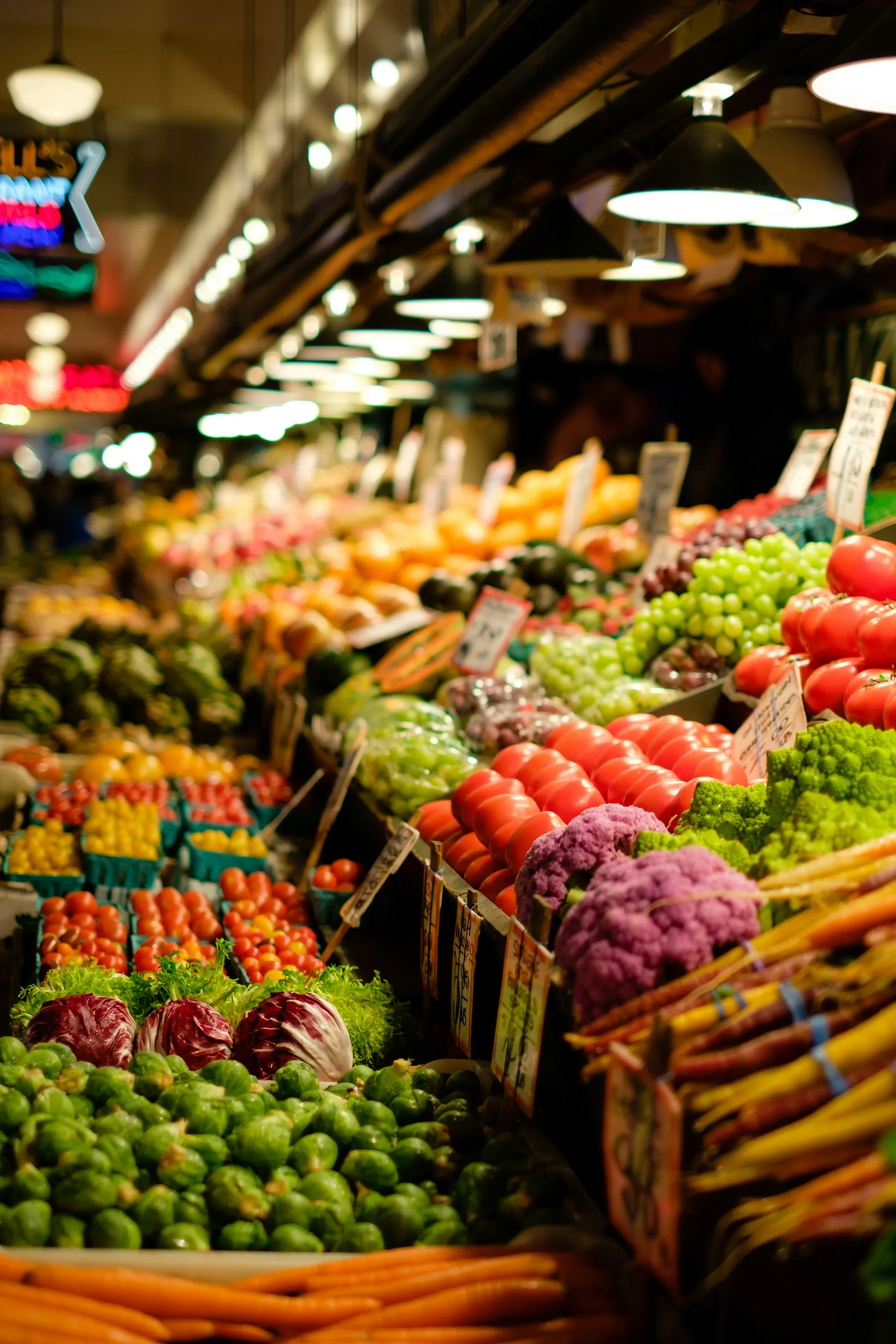 Photo by Thomas Le on Unsplash
Back to the Top
Urban grocery stores in the Philippines are:
- Modern and functional
- Well-distributed
- Crowded
- Occasionally frustrating
- Entirely livable
You won’t starve.
You won’t get everything you want.
You will adapt.
And eventually, you’ll find yourself explaining to a new arrival why S&R hotdogs are “worth it,” which is when you’ll realize you’ve fully assimilated.
Rural grocery shopping in the Philippines is:
- Local
- Seasonal
- Limited
- Relationship-based
It’s not inefficient—it’s scaled to the economy it serves.
If you expect urban convenience, you’ll be miserable.
If you adapt, plan, and learn the rhythm, it works surprisingly well.
Eventually, you’ll stop asking, “Why don’t they have this?”
And start asking, “When does the fish truck come?”
Thinking of Moving to the Philippines? Get Reliable Guidance
Online communities are helpful for general questions. For anything important, you still need accurate, professional, and updated information. E636 Expat Services helps foreigners with:
- Residency and long term visas
- Bank account opening
- Health insurance guidance
- Real estate assistance
- Business setup
- Retirement planning
- A smooth and secure transition into life in the Philippines
If you want to move with confidence instead of relying on random comments online, we can guide you every step of the way.
Book a consultation with E636 and start your journey the right way.