Parts and Replacement Equipment To Keep On-Hand
diy 23-12-2025
Table of Contents
- Introduction
- Electrical
- Plumbing
- Concrete
- Home Maintenance
- Blacksmithing
- Carpentry
- Gardening
- Generator Maintenance
- Cars & Motorcycles
- Internet
- Computers
- Thinking of Moving to the Philippines? Get Reliable Guidance
Introduction
This post outlines parts that one should have on-hand for routine maintenance and emergency repairs. This list should be considered along with the list of tools that one should have available if living in the rural Philippines in our Essential Tools for Expats Living in the Rural Philippines.
In order for this information to be useful, you need to the tools, the parts, and the knowledge to be successful. In a future post, we’ll explore skill sets one should develop to be successful in the rural Philippines.
Not every one of these categories will be relevant to your situation. If some of these categories are left to the (semi-)professional available in your region; so, be it.
Electrical
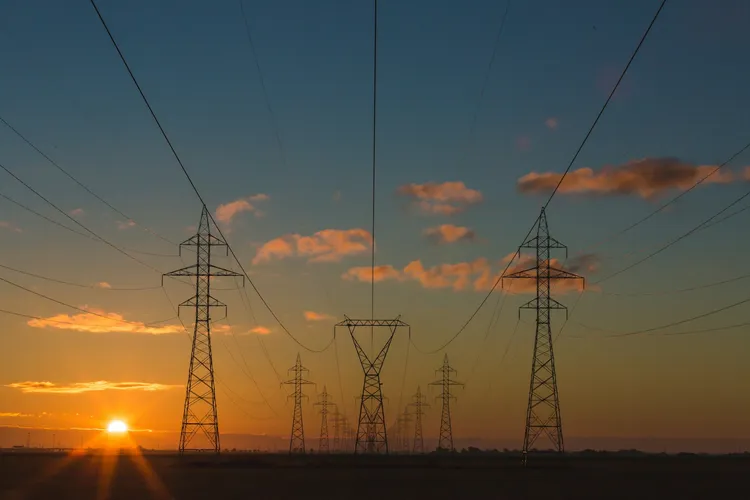
 Photo by Ernest Brillo on Unsplash
Back to the Top
1. Protection & Control Components (Top Priority)
These prevent damage, not just outages.
- Miniature circuit breakers (MCBs)
- Common ratings: 6A, 10A, 16A, 20A, 32A
- Main breaker (appropriate amperage for your service)
- RCD / RCCB / ELCB (life safety device)
- Surge protector (DIN-rail type)
- Spare fuse holders and fuses (if still used)
If you don’t have an RCD, add one.
2. Switches & Outlets (High Failure Items)
Humidity kills these.
- Light switches (single + 2-way)
- Convenience outlets (duplex)
- Outdoor weatherproof outlets
- GFCI outlet (for kitchen/bath if applicable)
- Blank face plates
- Outlet boxes (plastic preferred)
Buy known brands—cheap ones fail early.
3. Wiring & Cabling (Short Lengths Go Far)
You rarely need full rolls—just emergency lengths.
- THHN / building wire (copper only, various gauges):
- 1.5 mm² (lighting)
- 2.5 mm² (outlets)
- 4.0 mm² (heavier loads)
- Ground wire (green)
- Flexible cord (extension repairs)
- Heat-resistant wire (near generators / kitchens)
4. Connectors, Terminals & Consumables
These fix bad joints—very common in PH homes.
- Wire nuts / twist connectors
- WAGO-style lever connectors (excellent)
- Crimp terminals (ring, spade, butt)
- Terminal blocks
- Heat-shrink tubing
- Electrical tape (good quality, multiple rolls)
5. Lighting Components
- Lighting failures are constant.
- LED bulbs (various wattages)
- LED tubes (correct ballast type)
- Lamp holders
- Ceiling rose connectors
- Outdoor floodlight (spare)
Avoid ultra-cheap LEDs—they die early.
6. Grounding & Bonding Parts (Often Missing)
Many homes lack proper earth grounding.
- Ground rod (copper-clad)
- Ground clamps
- Earth bus bar
- Ground wire lugs
Proper grounding solves many “mystery” problems.
7. Conduit & Physical Protection
Rodents and weather destroy exposed wiring.
- PVC conduit (short lengths)
- Elbows, couplings, adapters
- Conduit straps
- Junction boxes (indoor + outdoor)
- Cable glands (for water resistance)
8. Generator / Solar / UPS Interface Parts (Common in Rural Areas)
- Changeover switch (manual)
- Heavy-duty outlets and plugs
- Power inlet box
- DIN-rail terminal blocks
- Battery cables (if solar/UPS)
- DC fuses and holders (solar systems)
- Spare solar panels to replace what will inevitably be broken by time, typhoons, or wildlife.
9. Battery Systems
There are many technologies / products that can be used for a battery backup system. It’s hard to build a comprehensive list of parts, but read our Whole-Home Battery Backup Solutions blog post. Also, consider having:
- Spare / replacement batteries.
- Multiple ways to charge the battery bank (solar, commercial power, generator)
- Connection wires
- Replacement Battery Management System (BMS).
- Replacement power inverters
- Replacement voltage transformer (if needed, did you bring electronics from the US?)A
9. Low-Voltage & Network Parts (Often Overlooked)
- Ethernet cable (Cat5e/Cat6)
- RJ45 connectors
- Coax connectors
- Doorbell transformer
- CCTV power adapters
- Spare cameras (that match what you already have deployed)
- Extra SD cards for the cameras (only recording capability if you lose internet, depends on camera model).
- AAA, AA, 9V batteries for all the random remotes and devices you have.
10. Spares for Known Weak Points
If something has failed once, stock another.
- Outlet that runs hot
- Switch that feels loose
- Breaker that trips early
- LED drivers
Assume it will fail again.
11. Storage & Protection Tips
- Keep parts in sealed containers
- Use silica gel
- Label wire gauges clearly
- Avoid mixing aluminum and copper
- Keep spare parts away from heat
Plumbing
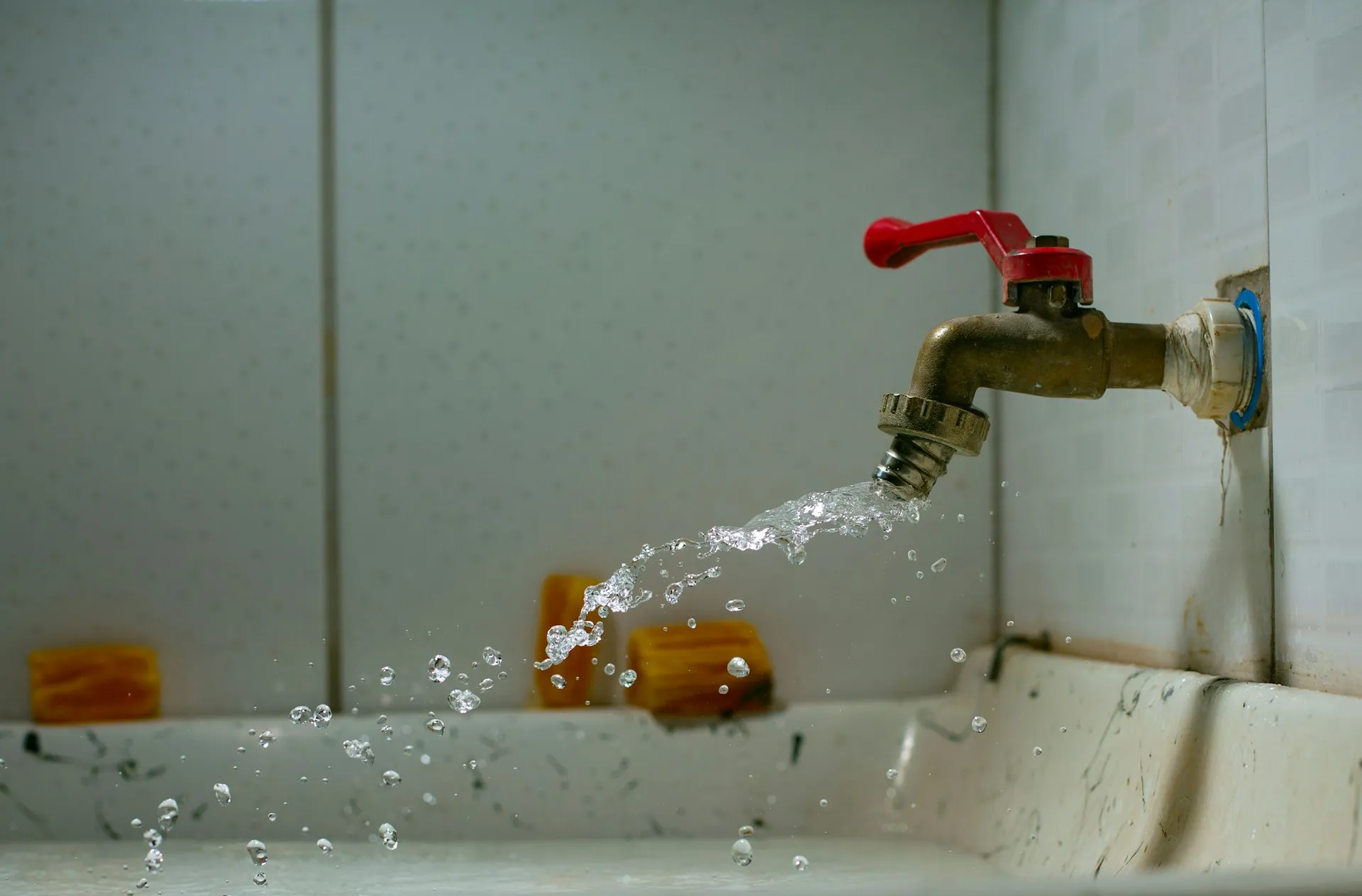 Photo by Ian Talmacs on Unsplash
Back to the Top
1. Pipe & Fitting Essentials (Top Priority)
PVC (most common)
Stock in ½”, ¾”, and 1” sizes:
- Straight pipe (short lengths)
- Couplings
- Elbows (90° + 45°)
- Tees
- Reducers
- Unions (critical)
- Threaded adapters (male + female)
PPR (increasingly common)
If your house uses PPR, stock these or regret it later:
- Straight pipe
- Couplings
- Elbows
- Tees
- Threaded adapters
- Unions
If you don’t own a PPR fusion tool, add one.
- Valves & Flow Control (Always Fail First)
- Ball valves (½”, ¾”)
- Gate valve (for main line)
- Check valve (backflow prevention)
- Float valve (water tank)
- Pressure relief valve (if heater or pressurized system)
Buy brass, not plastic, when possible.
3. Seals, Gaskets & Leak Stoppers
These fix most emergencies.
- PTFE (Teflon) tape (many rolls)
- Pipe thread sealant (paste)
- Rubber washers (assorted sizes)
- O-rings
- Faucet cartridges (if applicable)
- Epoxy putty (water-rated)
- Rubber repair tape (self-fusing)
4. Hoses & Flexible Connections
- Flexible braided hoses (½”)
- Reinforced PVC hose
- Washing machine inlet hoses
- Hose clamps (stainless steel)
- Spare garden hose fittings
- Replace hoses proactively—cheap ones fail suddenly.
5. Drain & Waste System Parts
- PVC drain pipe (2”, 3”)
- P-traps
- Clean-out caps
- Floor drain covers
- Vent caps
- Toilet wax rings or rubber seals
Avoid chemical drain cleaners—they destroy PVC and septic systems.
6. Toilet & Bathroom Spares (High Use, High Failure)
- Toilet fill valve
- Flush valve
- Flapper
- Bidet hose
- Angle valve
- Shower diverter
- Shower head (cheap ones clog quickly)
These parts fail quietly until they don’t.
7. Water Tank & Pump System Parts
Very important in rural setups.
- Foot valve
- Check valve
- Pressure switch
- Pressure gauge
- Pump fittings
- Spare pump seals
- Hose barb adapters
- Spare well pump (same as what is currently installed)
Stock these if you rely on a pump or overhead tank.
8. Cement, Adhesives & Chemicals
- PVC primer
- PVC cement (heavy-body)
- Silicone sealant
- Construction adhesive
- Threadlocker (blue)
Buy good brands—cheap glue fails under pressure.
9. Miscellaneous Hardware That Saves the Day
- Pipe straps / clamps
- Wall anchors
- Expansion plugs
- Screws (stainless preferred)
- Rubber grommets
10. Emergency Repair Box (Keep Ready)
Put these together in one box:
- PTFE tape
- Epoxy putty
- Rubber patches
- Hose clamps
- Short pipe sections
- Universal fittings
- Gloves
- Flashlight / headlamp
This box solves most midnight leaks.
Storage Tips (Humidity Is the Enemy)
- Keep parts sealed
- Store rubber parts in airtight bags
- Label sizes clearly
- Rotate stock yearly
- Keep adhesives out of heat
Reality Check
In the rural Philippines:
- Water doesn’t politely leak—it bursts
- A missing union can mean cutting pipe
- Hardware stores close early
- “Tomorrow” is not a delivery date
Stockpiling small plumbing parts gives you control, uptime, and peace of mind.
Concrete
 Photo by Tanner Vote on Unsplash
Back to the Top
Reality First (Why This Matters)
- Cement quality varies by batch
- Sand is often dirty or wet
- Aggregates are inconsistent
- Projects rarely stay “small”
Having the right supplies on hand prevents weak mixes, cracking, and redo work.
1. Cement & Aggregates (Core Materials)
Cement
- Portland cement (Type I)
- Keep at least 2–5 extra bags
- Store off the ground, sealed, dry
Never assume the next bag will be fresh.
Sand
- Washed sand (preferred)
- Fine sand for plastering
- Store covered to prevent contamination
Dirty sand weakens concrete fast.
Gravel / Aggregate
- ¾” crushed gravel
- Avoid rounded river rock if possible
- Keep a small reserve pile
2. Reinforcement Materials (Non-Optional)
Concrete cracks. Reinforcement controls it.
- Rebar (10mm, 12mm common)
- Tie wire
- Welded wire mesh (for slabs)
- Rebar chairs or spacers
- Cut-off rebar pieces (for dowels)
Unreinforced concrete is temporary art.
3. Formwork & Containment Supplies
- Plywood (marine if possible)
- 2×2 or 2×3 lumber
- Wood stakes
- Screws (not nails—reuse matters)
- Release oil (or diesel substitute—sparingly)
Forms fail more than mixes.
4. Mixing & Placement Tools
- Mixing tub or wheelbarrow
- Shovel (square + pointed)
- Hoe (mixing)
- Buckets (measuring water)
- Trowels (steel + wood float)
- Screed board
- Level
Consistency matters more than strength.
5. Chemical Additives & Repair Compounds
Small additions make big improvements.
- Bonding agent (for patches)
- Plasticizer (workability without excess water)
- Waterproofing additive
- Rapid-set cement (emergency repairs)
- Cement patch / repair mortar
Avoid adding extra water—it kills strength.
6. Curing & Protection Materials (Often Ignored)
Curing matters more than finishing.
- Plastic sheeting
- Burlap sacks
- Spray bottle or hose
- Shade tarp
Concrete cures best wet, not hot.
7. Crack Control & Finishing Supplies
- Expansion joint material
- Control joint tools
- Edge trowel
- Concrete sealer
- Crack filler
Cracks are inevitable—control where they happen.
8. Measuring & Quality Control Items
- Measuring buckets (marked)
- Ratio cheat sheet (posted)
- Small scale (optional)
- Thermometer (hot weather pours)
Guessing ratios is how concrete fails quietly.
9. Fasteners & Anchoring Supplies
- Anchor bolts
- Rawl bolts
- Tapcon-type screws
- Threaded rod
- Washers and nuts
Add anchors during the pour—drilling later is worse.
10. Safety & Cleanup Supplies
Gloves Dust masks Eye protection Rubber boots Vinegar (cement burns neutralizer) Wire brush Wet cement burns skin—quietly.
Storage Tips (Tropical Survival Rules)
- Cement in sealed bins
- Sand and gravel covered
- Chemicals away from heat
- Steel lightly oiled to prevent rust
- Label everything
Humidity ruins more projects than bad math.
Home Maintenance
 Photo by Theme Photos on Unsplash
Back to the Top
The decorative features (tile, paint, curtains, etc) of your home that you bought during the building process may be really hard to find down the road. So, buy some extra and add it to your stock pile of parts.
- Tile
- Various paints (matching originals used on the house)
- Wall / ceiling / floor trim
- Extra door that matches the ones you use inside (I’ll tell this story sometime for my situation)
- Light fixtures
- Bathroom ceiling fan
Hopefully, you get the idea.
Blacksmithing
 Photo by C Bischoff On Unsplash
Back to the Top
Reality Check
- Scrap steel is valuable but inconsistent
- Imported steel is expensive and slow to replace
- Fuel availability varies by region
- Humidity destroys tools and materials
- Power is unreliable—manual capability matters
1. Forge & Fuel Supplies (Keep the Fire Going)
- Fuel (choose what’s locally reliable)
- Charcoal (hardwood preferred)
- Coke (if available)
- Coal (rare but excellent)
- LPG (gas forge users)
Stock more than you think you need—wet season matters.
Air & Fire Control
- Manual blower or bellows (critical backup)
- Electric blower (with spare motor or fan)
- Firebricks (high-temp rated)
- Refractory cement
- Steel forge liner plates
- Ash dump hardware
2. Steel Stock (This Is Your Currency)
- Mild Steel (Primary Workhorse)
- Flat bar (various widths)
- Round bar
- Square bar
- Angle iron
- Plate offcuts
- High-Carbon Steel (Tool Making)
- Leaf springs
- Coil springs
- Old files
- Jackhammer bits
- Agricultural blades
- Stainless / Specialty (Optional)
- Small rods or scrap
Only stock what you actually use
Label and segregate steel types—guessing ruins heat treatment.
3. Anvil & Work holding Consumables
- Anvil (or hardened steel block)
- Hardy tools (cut-off, fuller, bending forks)
- Swage blocks (if available)
- Vise (post vise preferred)
- Vise jaw liners (copper or brass)
4. Fasteners, Rivets & Joinery Materials
- Mild steel rivets
- Bolts and nuts (various sizes)
- Threaded rod
- Washers
- Pins and cotters
Forge-welds are great—mechanical fasteners are faster.
5. Quenching & Heat-Treatment Supplies
- Quench oil (dedicated—not used motor oil)
- Water tanks (metal preferred)
- Brine salt (controlled use)
- Thermometer (high-temp preferred)
- Magnet (critical temperature check)
Poor quenching ruins good steel permanently.
6. Fluxes, Coatings & Chemicals
- Borax (forge welding)
- Anti-scale compound
- Beeswax / linseed oil (finishing)
- Rust inhibitors
- Pickling acid (vinegar works)
Store dry and sealed—humidity kills these.
7. Abrasives & Finishing Materials
- Grinding wheels
- Flap discs
- Sandpaper (coarse to fine)
- Files (buy good ones)
- Wire wheels
A forge makes shape—abrasives make function.
8. Tool Steel & Replacement Parts
- Hammer handles
- Wooden wedges
- Steel wedges
- Spare tongs (or tong blanks)
- Chisels and punches
- Springs (for tools)
Broken handles stop work completely.
9. Fabrication & Support Materials
- Welding rods (6013 common locally)
- Welding wire (if MIG available)
- Scrap sheet metal
- Angle iron
- Hinges
- Springs
Blacksmithing often ends in fabrication.
10. Storage & Corrosion Control (Tropics Matter)
- Oil-soaked rags
- Desiccant packs
- Sealed steel bins
- Tool oil
- Plastic covers
Rust never sleeps—especially in the Philippines.
Reality Check
In the rural Philippines:
- Scrap is gold—but inconsistent
- Fuel disappears during rainy season
- Power outages are normal
- Tools are harder to replace than materials
A well-stocked blacksmith doesn’t wait for suppliers—they adapt and keep working.
Carpentry
 Photo by Marc Pell on Unsplash
Back to the Top
Reality Checks
- Lumber quality is inconsistent
- Wood warps fast in humidity
- Termites are always present
- “Temporary” wood repairs become permanent
- Exact sizes are often unavailable when needed
1. Lumber & Sheet Goods (Keep Small but Versatile)
- Dimensional Lumber (Kiln-dried if possible)
- 2×2, 2×3, 2×4 (short lengths)
- 1×2 and 1×3 for trim and bracing
- Hardwood offcuts (for door repairs, shims)
- Avoid green lumber unless unavoidable.
- Sheet Goods
- Marine plywood (¼”, ½”)
- Ordinary plywood (for non-wet areas)
- Hardboard / fiberboard (patching)
- OSB (optional; hates moisture)
- Marine ply is expensive—worth it.
2. Fasteners (Most Repairs Die Here)
- Screws (Buy in Bulk)
- Wood screws:
- 1”, 1½”, 2”, 2½”, 3”
- Exterior / coated screws
- Self-drilling screws
- Deck screws
- Wood screws:
- Nails (Limited but Useful)
- Common nails
- Finish nails
- Concrete nails (masonry interfaces)
- Bolts & Anchors
- Carriage bolts
- Lag bolts
- Washers and nuts
- Wall plugs / anchors
Cheap fasteners rust—buy coated or stainless when possible.
3. Adhesives & Bonding Agents
- Humidity ruins joints—glue helps.
- Wood glue (exterior-rated)
- Construction adhesive
- Epoxy (wood-rated)
- CA glue (quick fixes)
Always keep glue sealed and upright.
4. Termite & Rot Defense Materials
Non-negotiable in the Philippines.
- Borate wood treatment
- Termite spray or powder
- Wood preservative
- Linseed oil / tung oil (finishing & protection)
Treat cut ends immediately.
5. Shimming, Leveling & Fitting Supplies
- Wood shims
- Plastic shims
- Thin plywood strips
- Hardboard scraps
Doors, cabinets, and frames are never square.
6. Hinges, Hardware & Small Fittings
- Door hinges
- Cabinet hinges
- L-brackets
- Corner braces
- Sliding door rollers
- Drawer slides
- Magnetic catches
- Screws specific to hardware
Hardware stores often run out of matching sets.
7. Surface Repair & Finishing Materials
- Wood filler / putty
- Spackling compound
- Sandpaper (coarse → fine)
- Steel wool
- Touch-up stain
- Clear varnish / polyurethane
- Paint (basic colors)
Finish protects wood from moisture.
8. Exterior Repair Supplies
- Treated fence boards
- Bamboo (local, cheap, useful)
- Galvanized straps
- Roofing screws
- Flashing (small rolls)
- Sealant (polyurethane or silicone)
Outside wood fails faster than inside.
9. Storage & Moisture Control
- Plastic storage bins
- Silica gel packs
- Oil for metal parts
- Plastic wrap for lumber ends
Unprotected stock becomes unusable quickly.
10. Emergency “Fix It Now” Wood Repair Kit
Keep these together:
- 2×2 lumber
- Marine plywood scrap
- Exterior screws
- Construction adhesive
- Wood filler
- Shims
- Hinges
- Sealant
This kit handles 80% of household wood failures.
Reality Check
In the rural Philippines:
- Wood moves
- Bugs eat it
- Rain finds it
- Stores close early
- Matching materials disappear
Stockpiling basic carpentry supplies means repairs happen today, not next week.
Gardening
 Image Generated by ChatGPT
Back to the Top
This focuses on consumables, materials, and survival items that keep food, landscaping, drainage, and plant health under control year-round.
Reality Checks
- Plants grow fast — weeds faster
- Rain alternates between drought and flooding
- Soil quality varies wildly by meter
- Insects never take a season off
- “Tomorrow” gardening supplies may not exist
1. Soil, Compost & Growing Media
- Soil Improvement
- Organic compost (bagged or homemade)
- Vermicast / worm castings
- Rice hulls (carbon & drainage)
- Coco peat / coir
- Aged manure (chicken, goat, cow)
- Tropical soils exhaust nutrients quickly.
- Soil Conditioning
- Agricultural lime (pH correction)
- Dolomite lime (adds magnesium)
- Gypsum (structure improvement)
- Biochar (optional but excellent)
2. Fertilizers (Balanced & Targeted)
- General Purpose
- Complete fertilizer (e.g., 14-14-14)
- Organic slow-release fertilizer
- Liquid fertilizer (foliar feeding)
- Targeted Nutrients
- Urea (nitrogen)
- Potash (potassium)
- Phosphate
- Micronutrient mix (iron, zinc, boron)
Over fertilizing burns plants fast in heat.
3. Pest & Disease Control (Constant Battle)
- Insect Control
- Neem oil
- Insecticidal soap
- Diatomaceous earth
- Sticky traps
- Ant bait
- Disease Control
- Copper fungicide
- Sulfur powder
- Baking soda (fungal control)
- Alcohol (spot treatment)
Avoid heavy chemical use — it backfires.
4. Seeds, Cuttings & Planting Materials
- Vegetable seeds (heat-tolerant varieties)
- Herb seeds
- Tree seedlings
- Cuttings (banana, malunggay, sweet potato)
- Rooting hormone
Seeds degrade fast — rotate stock.
5. Mulch & Ground Cover
- Rice straw
- Dried grass
- Coco husk chips
- Plastic mulch (black/silver)
- Weed mat / landscape fabric
Mulch is your best water-saving tool.
6. Irrigation & Water Control Supplies
- Garden hose
- Hose repair fittings
- Drip irrigation lines
- Emitters
- Timers (manual or battery)
- Buckets & watering cans
Expect pumps to fail — gravity matters.
7. Drainage & Flood Management
- Gravel
- Sand
- Drain pipes
- French drain fabric
- Shovel-ready materials
Water management matters more than watering.
8. Plant Support & Protection
- Bamboo stakes
- Twine (nylon + natural)
- Trellis netting
- Shade cloth
- Frost cloth (rare but useful in highlands)
- Windbreak mesh
Storms break plants overnight.
9. Containers & Propagation Supplies
- Plastic pots (various sizes)
- Grow bags
- Seed trays
- Nursery bags
- Recycled containers
Containers give control over bad soil.
10. Pruning & Maintenance Consumables
(Not tools — the stuff tools consume.)
- Replacement blades
- Tree wound sealant
- Disinfectant for tools
- Gloves (many pairs)
Unclean cuts spread disease.
11. Composting & Waste Handling
- Compost bin or pit materials
- Brown materials (leaves, cardboard)
- Green materials (kitchen waste)
- EM (effective microorganisms)
- Lime (odor control)
Waste becomes fertilizer fast here.
12. Safety & Survival Items
- Sunscreen
- Hat
- Insect repellent
- Long-sleeve work shirts
- First-aid kit
Heat and insects cause most injuries.
Reality Check
In the rural Philippines:
- Gardening never stops
- Problems escalate fast
- Growth rewards preparation
- Neglect shows in weeks, not months
Stockpiling gardening supplies means less work, more food, and fewer emergencies.
Generator Maintenance
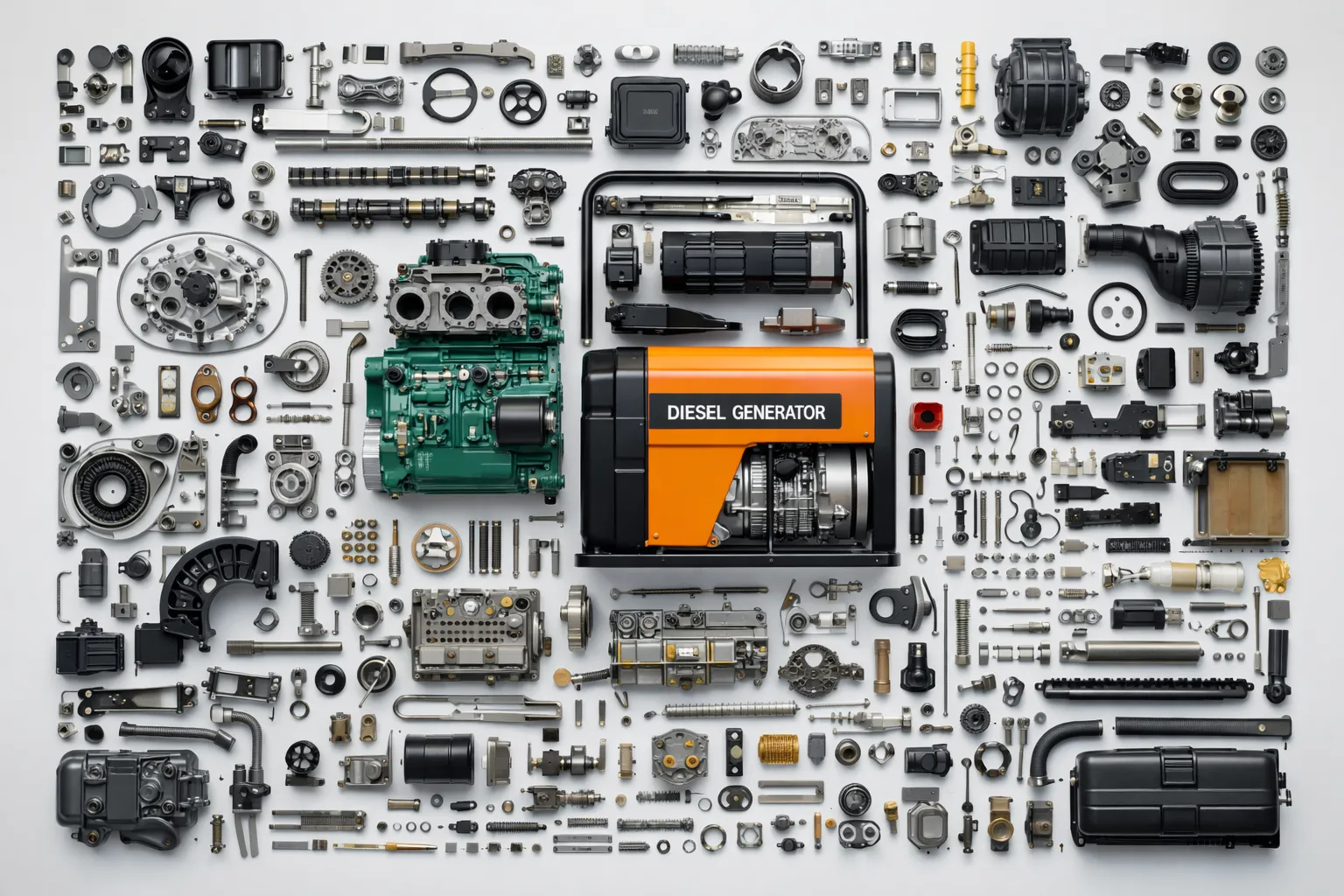 Image Generated By ChatGPT
Back to the Top
A list of generator parts you should have available is discussed in the The Time My Diesel Generator Broke Down During A Typhoon post. Scroll down to the Tools and Spare Parts sections.
Cars & Motorcycles
 Image Generated By ChatGPT
Back to the Top
A list of motorcycle and car parts one should keep on hand in the rural Philippines for routine maintenance and emergency repairs can be found in the Essential Car & Motorcycle Maintenance Tools & Parts: Rural Philippines Edition blot post.
Internet
 Photo by Robynne O on Unsplash
Back to the Top
See the Internet Access: Philippines Edition blog post for building redundancy and high availability into your internet access capability.
Computers
 Photo by Philipp Katzenberger on Unsplash
Back to the Top
If you have a laptop (or desktop) computer and you need to have it available, then you may want to have:
- backup laptop that you generally don’t use. Keep it in brand new condition.
- spare hard drives (depends on your laptop model)
- spare memory chips (depends on your laptop model)
- External hard drive for backups.
- spare external hard drive
You might want to consider a NAS appliance for reliable storage.
Thinking of Moving to the Philippines? Get Reliable Guidance
Online communities are helpful for general questions. For anything important, you still need accurate, professional, and updated information. E636 Expat Services helps foreigners with:
- Residency and long term visas
- Bank account opening
- Health insurance guidance
- Real estate assistance
- Business setup
- Retirement planning
- A smooth and secure transition into life in the Philippines
If you want to move with confidence instead of relying on random comments online, we can guide you every step of the way.
Book a consultation with E636 and start your journey the right way.
Photo by Alexander Andres Unsplash