Non-Human Guests In Your Philippines Home
culture 21-12-2025
In many parts of the Philippines, a perfectly sealed, pest-free home is not the baseline expectation. Instead, there is a widely accepted understanding that some creatures will live with you, not because of neglect, but because of climate, architecture, and cultural pragmatism.
For newcomers, this can be unsettling and endlessly irritating . For locals, it is simply normal.
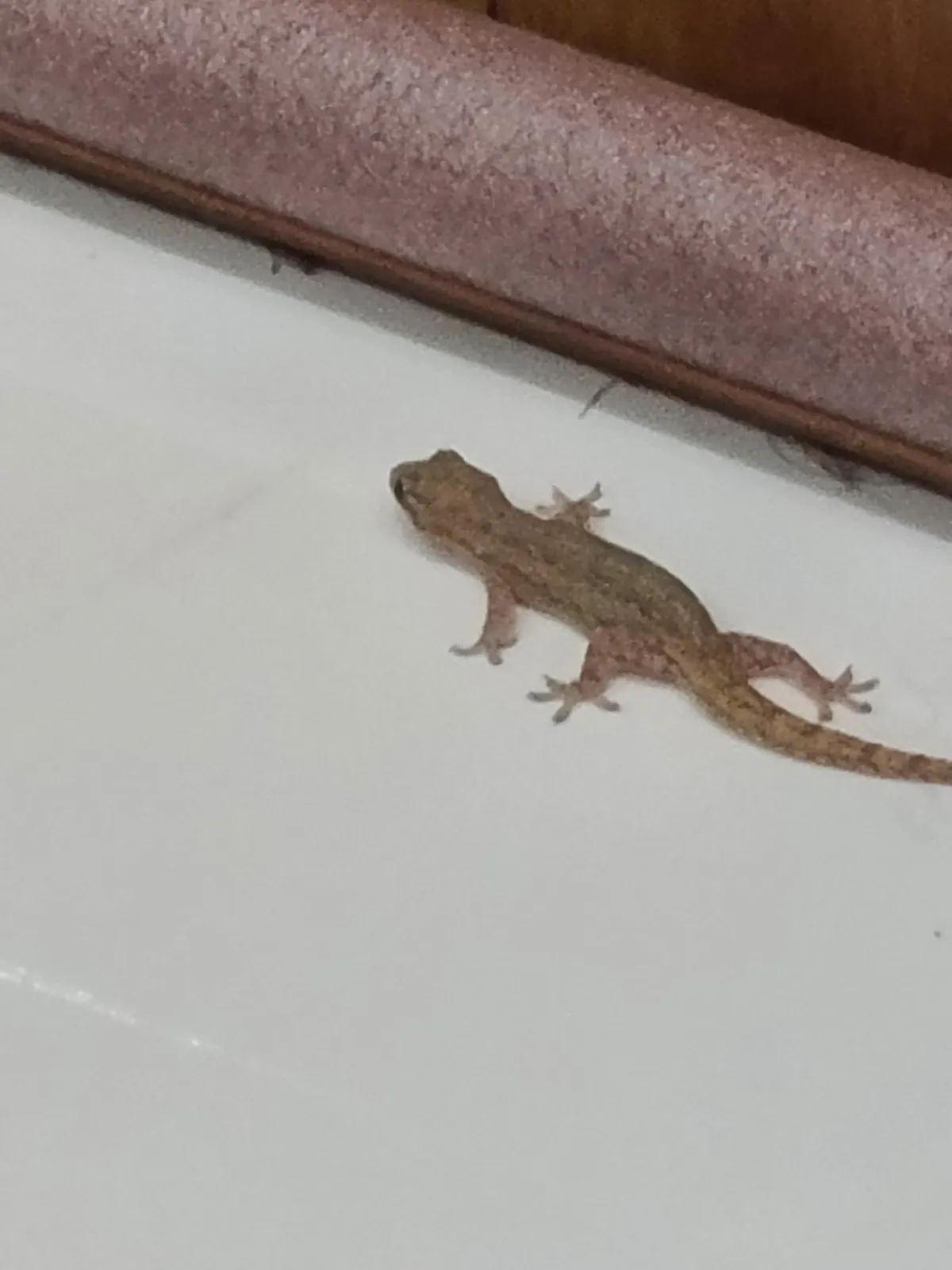
In our house, there are several lizards between 5cm (young) to 30cm in length. They don’t like being near humans. So, by the time I see them, they are running away most of the time. The lizards mean fewer insects (especially mosquitos), but then you have to clean up lizard dong from the walls occasionally.
I’ve only seen one Filipino Hunstman Spider in the house. I watched it crawl in the window of the bathroom slowly. It went to a shelf. It positioned itslef behind a bottle and then poked its head out to the side. It seemed to just watch me for about three minutes—if it was even me it was paying attention to. The girlfriend attempted to smash it with a mop. That thing was up the wall, across the ceiling, down the other wall, and out the window in two seconds. They are fast. Personally, I’m going to draw the line at a spider the size of my hand being in the house. I have met some Filipinos who consider a large Hunstman spider to be the home’s Director of Mosquito Control. I’m good with the lizards. I draw a line at the spiders the size of my hand.
Climate Makes the Rules
The Philippines is warm, humid, and biologically dense year-round. These conditions are ideal for insects and the animals that feed on them. Even well-built concrete homes are rarely fully sealed, because airflow is essential for comfort and mold prevention.
Open windows, vent blocks, roof gaps, and utility penetrations all invite life inside. The choice is often deliberate: airflow over absolute exclusion.
Common Household Visitors
Insects
Ants, mosquitoes, flies, cockroaches, and moths are common. Their presence fluctuates with:
- Rainy season
- Food availability
- Nearby vegetation
Complete elimination is rarely the goal. Control is.
House Lizards (Butiki / Tuko)
Small geckos are among the most tolerated residents.
Why?
- They eat insects
- They avoid humans
- They require no care
Many households consider them beneficial. Their clicking sounds at night are part of the background noise of tropical living. Larger tokay geckos (tuko) are louder and more intimidating, but still generally left alone.
Spiders and Other Arachnids
Spiders appear periodically, sometimes large enough to cause alarm.
They are typically:
- Non-aggressive
- Focused on insects
- Short-term visitors
Centipedes, while less welcome, are also encountered occasionally, especially during rainy periods.
The common response is removal, not panic.
Cultural Attitudes: Coexistence Over Eradication
Unlike in many Western contexts where any indoor insect signals a problem, Filipino households often take a more practical view:
- If it’s not dangerous, let it be
- If it controls pests, even better
- If it becomes excessive, address it
This approach reflects generations of living in a tropical environment where complete sterility is unrealistic.
Home Design Reflects This Reality
Traditional and modern Filipino homes often feature:
- Open eaves
- Ventilation blocks
- Outdoor or semi-outdoor kitchens
- Tile or concrete floors for easy cleaning
These features reduce heat and moisture but make occasional animal guests inevitable.
What Is Actually Considered a Problem?
Acceptance has limits. Infestations, venomous species, or creatures entering sleeping areas are addressed promptly. Common responses include:
- Regular sweeping and cleaning
- Targeted pest control
- Screens on windows and drains
- Simple barriers, not full sealing
The goal is balance, not dominance.
For Expats and Newcomers
Adjustment takes time. The key mental shift is understanding that presence does not equal unsanitary. Helpful strategies:
- Use bed nets if needed
- Keep food sealed
- Maintain screens and seals
- Learn which animals are harmless
Most long-term residents eventually stop noticing the small ones—and may even appreciate the lizards.
Why This Coexistence Persists
Because it works.
Attempting to fully exclude nature in a tropical environment often creates bigger problems: trapped moisture, mold, heat, and chemical overuse. Controlled coexistence is more sustainable and, over time, less stressful.
Practical Mitigation Checklist (Filipino Home Edition)
1. Entry Point Control (Biggest Impact, Lowest Effort)
You are not trying to seal the house—just reduce easy access.
Doors & Windows
- Install proper window screens (fine mesh, aluminum frame)
- Add door sweeps (rubber or brush type)
- Seal visible gaps with silicone or polyurethane sealant
- Fix warped wooden doors (common in humidity)
Roof & Eaves
Inspect for gaps around:
- Roofing sheets
- Fascia boards
- Vent blocks
Patch openings with:
- Wire mesh
- Cement mortar
- Expanding foam (sparingly)
2. Interior Barriers (Quiet but Effective)
Sleeping Areas
- Use bed nets (still extremely effective)
- Keep beds off walls
- Tuck sheets in (prevents crawling access)
Drains & Pipes
- Install drain covers on floor drains
- Use U-traps with water seals
- Cap unused plumbing penetrations
3. Food & Attraction Management
Most pests are invited, not invading.
- Store food in sealed containers
- Wipe counters nightly
- Take trash out daily
- Clean pet food areas
- Rinse recyclables immediately
Even small sugar or rice spills attract ants fast.
4. Exterior Environment Control
What happens outside matters more than inside.
- Trim vegetation away from walls
- Remove wood piles and debris near the house
- Avoid standing water
- Keep compost and animal feed distant
- Use gravel strips near foundations if possible
Less habitat near the house = fewer visitors inside.
5. Lighting Strategy (Often Overlooked)
Lights attract insects, insects attract predators.
- Use warm/yellow bulbs outdoors
- Position lights away from doors
- Turn off unnecessary exterior lights at night
- Avoid bright white LEDs near windows
6. Targeted Pest Control (Not Overkill)
Use precision, not saturation.
Insects
- Ant bait stations (not sprays)
- Boric acid in cracks (dry areas only)
- Sticky traps in corners
Lizards
- Reduce insect populations (they leave on their own)
- Remove egg-laying sites (cardboard, clutter)
- Physical removal if necessary
Spiders & Centipedes
- Manual removal
- Sticky traps along walls
- Reduce humidity where possible
Avoid fogging and constant spraying—it disrupts natural control.
7. Humidity & Airflow Balance
Too much sealing causes mold. Too little invites life.
- Use fans to keep air moving
- Vent kitchens and bathrooms
- Dehumidifier if power allows
- Fix leaks immediately
Dry environments discourage pests.
8. Seasonal Preparation (Critical)
Before Rainy Season
- Seal new cracks
- Clear drains
- Check screens
- Remove exterior debris
After Heavy Rains
- Expect temporary visitors
- Do quick inspections
- Reset traps if needed
Many intrusions are weather-driven, not permanent.
9. Tools & Supplies to Keep On Hand
- Silicone sealant
- Expanding foam
- Fine wire mesh
- Sticky traps
- Ant bait
- Headlamp
- Gloves
- Small hand broom & dustpan
These solve 90% of problems immediately.
10. Mental Adjustment (Most Important)
- Presence ≠ infestation
- One lizard is pest control
- Panic makes it worse
- Calm removal works better than chemicals
- Acceptance reduces stress more than extermination.
Bottom Line
Insects, lizards, and the occasional large arachnid are not signs of failure in Filipino homes. They are part of living in a warm, open, biologically rich environment.
You can fight it endlessly, or you can understand it—and once you do, tropical living becomes far more comfortable.
You cannot eliminate nature in the tropics.
You can control access, reduce attraction, and keep boundaries clear.
When done right, most homes settle into a quiet equilibrium—occasional visitors, minimal disruption, no constant war.
Thinking of Moving to the Philippines? Get Reliable Guidance
Online communities are helpful for general questions. For anything important, you still need accurate, professional, and updated information. E636 Expat Services helps foreigners with:
- Residency and long term visas
- Bank account opening
- Health insurance guidance
- Real estate assistance
- Business setup
- Retirement planning
- A smooth and secure transition into life in the Philippines
If you want to move with confidence instead of relying on random comments online, we can guide you every step of the way.
Book a consultation with E636 and start your journey the right way.
Photo by Mariana B. on Unsplash