The Filipino “Dirty Kitchens”: Function Over Formality
culture 20-12-2025
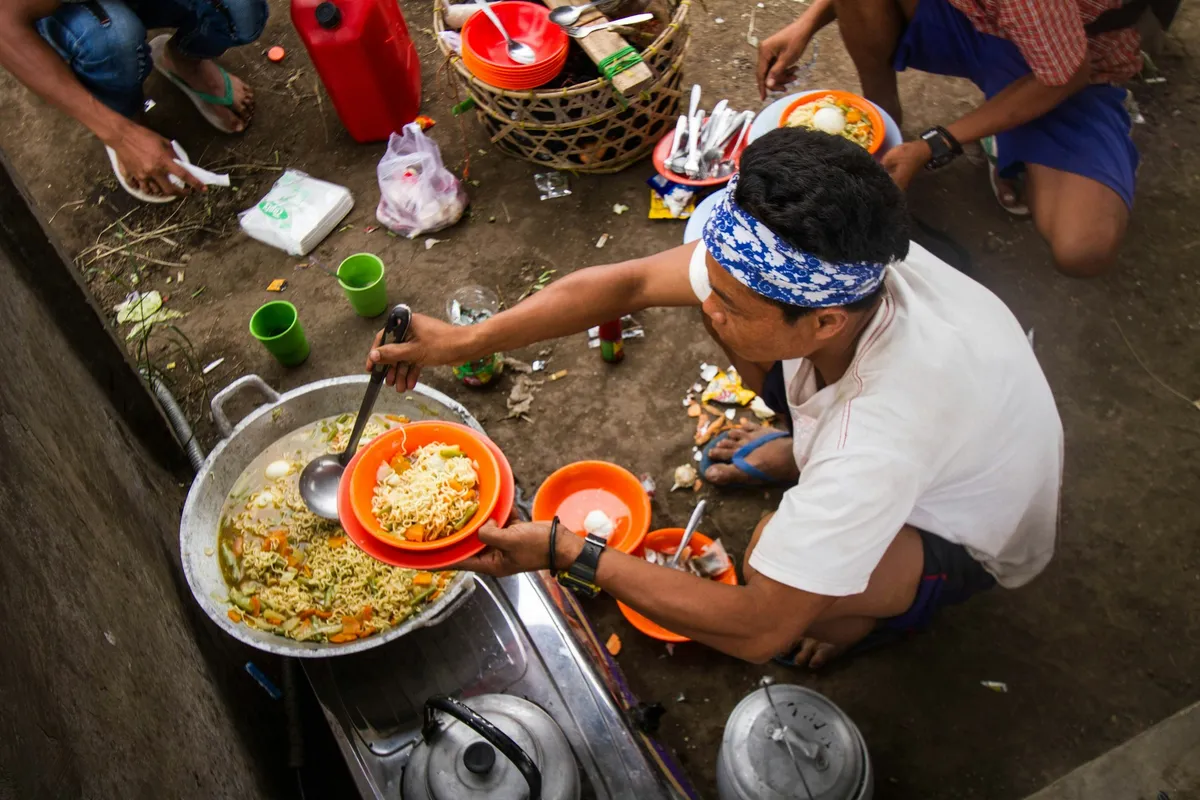
In the Philippines, the term “dirty kitchen” doesn’t mean unsanitary. It means practical. A dirty kitchen is a secondary cooking area—usually separate from or adjacent to the main house—designed for heavy, messy, smoky, or high-heat cooking. It exists because Filipino cooking, climate, and household life make a single pristine Western-style kitchen impractical.
Origins and Cultural Context
Dirty kitchens evolved long before modern homes and appliances. Traditional Filipino cooking involved:
- Wood or charcoal fires
- Frying, grilling, boiling large quantities of food
- Strong-smelling ingredients like dried fish (tuyo), fermented shrimp paste (bagoong), and vinegar-based stews
Cooking was done outdoors or semi-outdoors to manage heat, smoke, and odors. As concrete houses replaced nipa huts, the dirty kitchen stayed—just formalized.
Why Dirty Kitchens Exist
####1. Heat Management
The Philippines is hot. Cooking indoors raises temperatures fast.
Dirty kitchens:
- Keep heat out of living spaces
- Reduce reliance on electric fans or air-conditioning
- Allow cooking during power outages
This is climate adaptation, not tradition for tradition’s sake.
2. Smoke, Oil, and Smell Control
Many Filipino dishes involve:
- Deep frying
- Grilling
- Long simmering
A dirty kitchen prevents:
- Grease buildup indoors
- Lingering food odors in furniture and curtains
- Smoke alarms becoming decorative noise-makers
It’s containment, plain and simple.
3. Fuel Flexibility
Dirty kitchens often support:
- LPG stoves
- Charcoal grills
- Wood-fired setups
This provides redundancy when:
- Gas runs out
- Power is unavailable
Large gatherings require multiple cooking methods at once
4. Scale and Hospitality
Filipino households regularly cook for:
- Extended family
- Neighbors
- Fiestas
- Unexpected guests
Dirty kitchens are designed for volume:
- Large pots
- Big cutting areas
- Minimal concern for aesthetics
The clean kitchen is for presentation; the dirty kitchen is where work gets done.
For the last fiesta, the girlfriend asked me to buy a 60cm wok (big chinese-style cooking pot). I found one on Shopee for a great price. After the local fiesta, it was determined that the 60cm pot needed a lid. Finding a lid that large took some effort.
Typical Features
A traditional dirty kitchen often includes:
- Concrete or tiled counters
- Open shelving (easy to clean, easy to access)
- Large sinks for washing pots, fish, and produce
- Good ventilation—windows, vents, or open walls
- Proximity to the backyard, garden, or laundry area
Many are partially outdoors, covered by a roof but open on the sides.
Clean Kitchen vs Dirty Kitchen
| Clean Kitchen | Dirty Kitchen |
|---|---|
| For guests and light prep | For heavy cooking |
| Air-conditioned | Naturally ventilated |
| Decorative | Functional |
| Minimal mess | Expected mess |
The two-kitchen setup isn’t redundant; it’s role separation.
For the indoor “clean” kitchen, most houses that foreigners build here are probably going to be pushed towards an American or European design in both layout and modern appliances. This drives up the cost, but also contributes to the practicality. If you have your own water well, redundant backup power, and other amenities we’ve written about on this blog, the indoor kitchen can be reliable.
I recommend always having a backup cooking gas tank ready to go. When the current tank being used hits empty, go get it filled up as soon as possible while quickly switching to the secondary tank.
Modern Adaptations
Today, dirty kitchens are evolving:
- Stainless steel counters
- Better drainage
- Proper roofing and lighting
- Integrated storage
Urban homes may have smaller versions, while rural homes often keep them fully separate. Expats and modern builders increasingly adopt the concept once they experience daily life without it.
Common Misunderstandings
There are some common misunderstandings among foreigners.
- “It’s unsanitary” – No. It’s usually easier to clean than a decorative kitchen.
- “It’s outdated” – It’s climate- and culture-adapted.
- “Only poor households have them” – Wealthy homes often have very well-built dirty kitchens.
Why the Dirty Kitchen Persists
Because it works.
It reduces heat, manages mess, supports hospitality, and matches how Filipinos actually cook and live. In a country where food is central to family and community life, the dirty kitchen is not an afterthought—it’s infrastructure.
In Short
The Filipino dirty kitchen is:
- Practical
- Climate-smart
- Socially functional
- Deeply rooted in everyday life
You can remove it from a house design, but you’ll quickly reinvent it—usually after the first fiesta, brownout, or batch of fried fish.
Thinking of Moving to the Philippines? Get Reliable Guidance
Online communities are helpful for general questions. For anything important, you still need accurate, professional, and updated information. E636 Expat Services helps foreigners with:
- Residency and long term visas
- Bank account opening
- Health insurance guidance
- Real estate assistance
- Business setup
- Retirement planning
- A smooth and secure transition into life in the Philippines
If you want to move with confidence instead of relying on random comments online, we can guide you every step of the way.
Book a consultation with E636 and start your journey the right way.
Photo by Andrea Huls Pareja on Unsplash