The BER-Months: Merry Christmas!
culture 15-12-2025
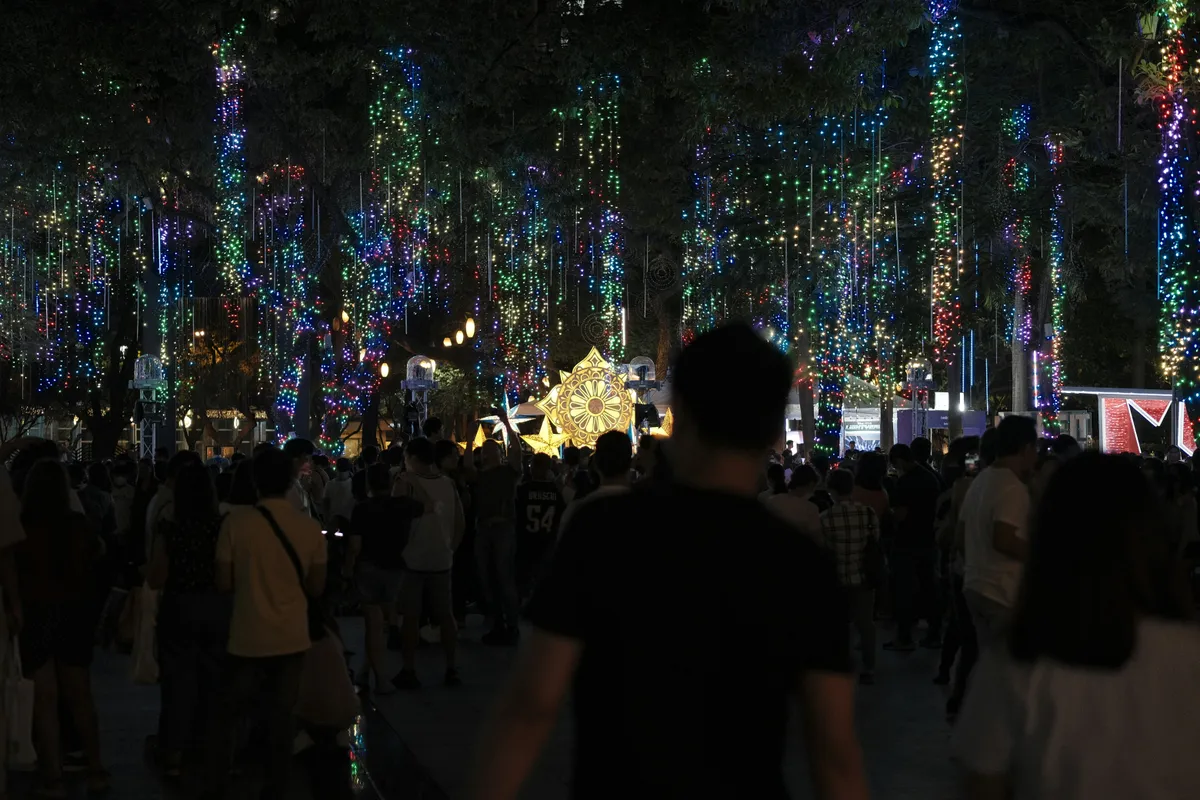
In the Philippines, the “BER months” refer to the period from September to December — so named because each month ends in “-ber.” While seemingly casual, the term marks the unofficial start of the Christmas season, which is the longest and most culturally significant holiday period in the country.
When It Starts
The BER months begin as early as September 1, when Christmas music often starts playing in malls, radio stations, and public spaces. Decorations, lights, and holiday promotions appear well before the year’s final quarter, reflecting a national enthusiasm for the season.
Why They Matter
Christmas in the Philippines is not limited to a single day. It is a months-long celebration rooted in:
Strong family ties
Predominantly Christian traditions
Community gatherings
A cultural emphasis on generosity and togetherness
The extended celebration reflects a desire to savor the holiday rather than rush it.
Cultural Traditions
During the BER months, Filipinos prepare for:
- Simbang Gabi (dawn Masses from December 16–24)
- Parol lantern displays (symbolizing the Star of Bethlehem)
- Early gift shopping and holiday sales
- Frequent reunions, parties, and social gatherings
- Food plays a central role, with traditional dishes becoming more common as December approaches.
Economic and Social Impact
The BER months significantly influence:
- Retail and consumer spending
- Tourism and domestic travel
- Workplace schedules and year-end bonuses
Public mood — generally more festive, social, and upbeat
For businesses, this period represents the strongest commercial season of the year.
Weather Context
The BER months often coincide with the tail end of the rainy season and the transition into cooler, drier weather. Typhoons are still possible, especially earlier in the period, but temperatures gradually become more comfortable by December.
History
The concept of the BER months (September–December) grew out of a combination of Spanish colonial influence, religious tradition, and modern Filipino popular culture, rather than a single formal decree or historical event.
1. Spanish Colonial Christianity (1565–1898)
The Philippines was colonized by Spain for over 300 years, during which Roman Catholicism became deeply embedded in daily life. Christmas emerged as one of the most important religious observances, emphasizing:
- The Nativity
- Family reunions
- Community worship
- Extended religious preparation
This laid the foundation for treating Christmas as a season, not just a day.
2. Extended Liturgical Preparation
In Catholic tradition, major feasts involve long periods of preparation.
In the Philippines, this evolved into:
- Simbang Gabi (nine dawn Masses before Christmas)
- Community decorations and religious observances well ahead of December 25
Over time, this preparation period gradually expanded earlier into the year.
3. Post-War American Influence (1900s–1940s)
American rule introduced:
- Commercial Christmas imagery
- Holiday music
- Retail promotions
- Secular celebrations alongside religious ones
This blended with existing traditions and helped normalize earlier seasonal celebrations.
4. Media, Retail, and Pop Culture (1970s–1990s)
The modern idea of the BER months solidified in the late 20th century:
- Radio stations began playing Christmas music as early as September
- Shopping malls adopted early holiday promotions
- Television and advertising reinforced the idea of a long Christmas season
The catchy term “BER months” emerged as an easy cultural shorthand and stuck.
5. Climate and Social Factors
Unlike countries with harsh winters, the Philippines:
- Does not rely on weather to signal seasonal change
- Has fewer rigid seasonal boundaries
This made it socially acceptable — even enjoyable — to start celebrating earlier without practical drawbacks.
In Summary
The BER months are the result of:
- Deep Catholic tradition
- Spanish-era religious culture
- American-era commercialization
- Modern media and retail reinforcement
- A cultural preference for extended celebration
Rather than being officially defined, the BER months evolved organically into a uniquely Filipino concept — turning Christmas into a four-month season of anticipation, social connection, and festivity.
The BER months are less about the calendar and more about mindset. They represent anticipation, celebration, and community — a uniquely Filipino approach to extending joy, connection, and tradition over several months rather than confining it to a single date.
What the BER Months Mean for Expats
The BER months are more than a festive tradition. From visa processing timelines to government office schedules and relocation planning, this extended Christmas season can affect how smoothly things move. Understanding this local rhythm helps expats plan ahead and avoid unnecessary delays.
New to the Philippines?
The BER months can affect visa processing, government schedules, and office availability.
Photo by Dan Suzuki on Unsplash