Two August Holidays: Ninoy Aquino Day and National Heroes Day Explained
culture23-08-2026
August is the only month in the Philippine calendar with two nationwide holidays devoted entirely to remembering people who died for the country. Ninoy Aquino Day on August 21 marks a single death that changed Philippine politics. National Heroes Day, on the last Monday of the month, honors everyone else—named and unnamed.
Ninoy Aquino Day has just passed, and National Heroes Day falls on Monday, August 31. Here is what each one commemorates, how the two holidays differ legally, and what expats should expect. For the full-year calendar, see our guide to Filipino Holidays.
The 2026 Dates
Both dates come from Proclamation No. 1006, signed by President Ferdinand Marcos Jr. on September 3, 2025, which set the 2026 holiday calendar:
- Friday, August 21 – Ninoy Aquino Day: a special (non-working) day. Because it fell on a Friday, it created a three-day weekend, August 21–23.
- Monday, August 31 – National Heroes Day: a regular holiday, giving another long weekend, August 29–31.
Ninoy Aquino Day: August 21
What Happened in 1983
Benigno “Ninoy” Aquino Jr. was a former senator from Tarlac. GMA News’s explainer, published on this year’s anniversary, summarizes his career: elected to the Senate in 1967 at 34, the youngest elected senator at the time, and a prominent critic of President Ferdinand Marcos Sr. He was arrested after martial law was declared in 1972, sentenced to death by a military tribunal in 1977, and allowed to go to the United States for heart treatment in 1980.
On August 21, 1983, he flew home from exile on China Airlines Flight 811 from Taipei. He was shot and killed moments after leaving the plane at what was then Manila International Airport. The government at the time said the gunman was Rolando Galman, who was killed on the tarmac by soldiers. A fact-finding board, the Agrava Board, later concluded there had been a military conspiracy, and in 1990 the Sandiganbayan convicted 16 military personnel of murder.
Why It Still Matters
The killing became a turning point. According to Wikipedia’s account, more than two million people lined the streets for his funeral procession on August 31, 1983. Public anger built over the following years. Marcos called a snap presidential election for February 7, 1986, which Ninoy’s widow, Corazon “Cory” Aquino, contested. The disputed result led to the People Power Revolution on EDSA from February 22 to 25, 1986, after which the Marcos family left for the United States and Cory Aquino became president.
In 1987, the airport was renamed Ninoy Aquino International Airport (NAIA). In 2004, Republic Act No. 9256 made August 21 a national holiday.
How 2026 Was Marked
This year was the 43rd anniversary. On August 21, the National Historical Commission of the Philippines (NHCP), the airport operator NNIC, and the Manila International Airport Authority held a flower offering at NAIA Terminal 1, led by NHCP Chair Regalado Trota Jose Jr., Interaksyon reported. The marker honoring Aquino had just been moved to the arrivals curbside of Terminal 1, in front of the terminal’s name on the facade.
President Marcos issued a Ninoy Aquino Day message urging Filipinos to “carry forward the lessons of our history” and naming disinformation, division, and civic indifference as current challenges to democracy, GMA News reported.
National Heroes Day: The Last Monday of August
Where It Comes From
National Heroes Day traces back to the Cry of Pugad Lawin in August 1896, when members of the Katipunan, the secret revolutionary society led by Andrés Bonifacio, tore up their cédulas (identity and tax certificates) in defiance of Spain, generally regarded as the start of the Philippine Revolution. The exact date and place have long been disputed: accounts range from August 23 at Pugad Lawin to August 25 or 26 at Balintawak. Wikipedia notes that in 1963, on historian Teodoro Agoncillo’s recommendation, the official date was set as August 23 at Pugad Lawin. That uncertainty is one reason the holiday floats rather than sitting on a fixed date.
The legal history, briefly:
- 1931: Act No. 3827 set the last Sunday of August as National Heroes Day.
- 1987: the Administrative Code made it a regular holiday.
- 2007: Republic Act No. 9492 moved it to the last Monday of August.
Who It Honors
Unlike Rizal Day or Bonifacio Day, National Heroes Day is not about one person. The 1931 law does not name anyone. Observances usually feature the big names of the revolution, but in recent years officials have also used the day to recognize ordinary Filipinos such as overseas workers and health workers. By custom, officials lay wreaths at the Tomb of the Unknown Soldier at the Libingan ng mga Bayani.
Other August Observances
- August 19 – Quezon Day. Under Republic Act No. 6741 (1989), the birth anniversary of former President Manuel L. Quezon is a special working holiday nationwide but a non-working holiday in Quezon City and the provinces of Quezon and Aurora. If you live in Quezon City, expect city offices to close.
- Local special days. The Palace also declares one-off holidays for individual towns. For example, Proclamation No. 1362 made August 10, 2026, a special non-working day in Gumaca, Quezon, for the birth anniversary of Senator Lorenzo Tañada Sr. These rarely make national news, so watch your own LGU’s announcements.
Regular Holidays vs. Special Non-Working Days
The two August holidays fall into different legal categories, and the difference matters for anyone with household staff or a business. Under DOLE Labor Advisory No. 13, Series of 2026, as reported by GMA News:
Ninoy Aquino Day (special non-working day)
- Did not work: “no work, no pay,” unless company policy, practice, or a collective bargaining agreement says otherwise.
- Worked: an extra 30% of the basic wage for the first eight hours.
- Worked on a rest day: an extra 50%.
National Heroes Day (regular holiday)
- Does not work: still gets 100% of the daily wage.
- Works: gets 200% of the daily wage for the first eight hours.
- Works on a rest day: 200% plus a further 30%.
If you employ household staff or run a business, check the advisory itself or ask an accountant before payday rather than guessing; household workers can be covered by separate rules.
Cities vs. Provinces
In the Cities
- Official ceremonies. The formal events are concentrated in Metro Manila: the NHCP rites at NAIA Terminal 1 on August 21, and the wreath-laying at the Libingan ng mga Bayani on National Heroes Day.
- Gatherings and rallies. Ninoy Aquino Day can draw commemorative gatherings and political groups. Police visibility goes up, and some streets around venues may be closed.
- A quieter city. On a long weekend, Metro Manila traffic thins noticeably as residents leave. Malls and restaurants stay open and tend to be busy.
- Weather first. This year, the August 21 weekend came days after the habagat flooding covered in our post on the August habagat floods. In Manila, a holiday weekend can still mean a flooded one.
In the Provinces
- Town plazas and schools. Commemorations are smaller and more local: flag ceremonies at the municipal hall, school programs in the days before the holiday, and wreaths at the town’s own monument, often a statue of Rizal or Bonifacio.
- Local heroes. Many provinces use National Heroes Day to honor their own revolutionaries, guerrillas, and officials.
- The homecoming. A long weekend means families from Manila come home. Buses, ferries, and domestic flights fill up, and provincial towns get busier for three days.
- Farm and fishing work goes on. In rural areas, a public holiday does not stop the harvest or the boats, so daily life can look much the same.
What It Means for Expats
Plan Around Closures
- Government offices close on both days. If you have a Bureau of Immigration appointment, an ACR I-Card renewal, or a visa extension deadline near the end of August, account for August 31. See our post on extending your tourist visa.
- Banks may close or run reduced hours. Check your branch’s holiday notice and withdraw cash before a long weekend; ATMs in smaller towns can run low.
- Courier and shipping times slip by a day or more across a long weekend.
- Private businesses may stay open on a special non-working day, so August 21 can feel like a half-holiday. August 31, a regular holiday, is more of a full shutdown.
Travel
- Book early or stay put. Both weekends are popular for trips home. Buses, ferries, and flights out of Manila fill up on Friday evening and Saturday morning, and the return on the last day is often worse.
- Watch the weather. Late August is still habagat season. Ferry trips are cancelled when gale warnings go up, and landslides can close mountain roads.
At Commemorations
- Be respectful. Stand for the national anthem (Lupang Hinirang) and flag ceremonies, remove your hat, and keep phone calls and photos discreet during wreath-laying.
- Keep politics out of it. The events of 1983 and 1986 are still personal and political for many Filipinos, and families on different sides of that history live side by side. As a guest in the country, it is wise to listen rather than offer opinions.
- Avoid joining rallies. Your visa status depends on the Bureau of Immigration, and joining a political demonstration is not a risk worth taking. Watching from a distance is one thing; participating is another.
Summary
- Ninoy Aquino Day (August 21) marks the 1983 assassination of former Senator Benigno “Ninoy” Aquino Jr. at the airport now named after him. His death became a turning point leading to the 1986 People Power Revolution. In 2026 it was a special non-working day, and its 43rd anniversary was marked with NHCP rites at NAIA Terminal 1.
- National Heroes Day (August 31, 2026) traces back to the Cry of Pugad Lawin in 1896 and honors all Filipino heroes, not one person. It is a regular holiday.
- Pay rules differ: “no work, no pay” on special days unless policy says otherwise; full pay on regular holidays, with 200% for those who work.
- Quezon Day (August 19) is a non-working holiday only in Quezon City, Quezon, and Aurora.
- For expats: plan around government and bank closures, book long-weekend travel early, and treat commemorations with respect while staying politically neutral.
Sources
- Lawphil: Proclamation No. 1006, s. 2025 (2026 regular holidays and special days)
- Lawphil: Republic Act No. 9256 (Ninoy Aquino Day)
- Lawphil: Republic Act No. 9492 (2007 holidays law)
- Lawphil: Act No. 3827 (National Heroes Day)
- Lawphil: Republic Act No. 6741 (Quezon Day)
- Lawphil: Proclamation No. 1362, s. 2026 (Gumaca, Quezon)
- GMA News: EXPLAINER: Who was Ninoy Aquino? Remembering his life and legacy
- GMA News: Marcos to Filipinos on Ninoy Aquino Day: Safeguard democracy, uphold freedom
- Interaksyon: Ninoy Aquino marker relocated to NAIA Terminal 1 arrivals curbside
- GMA News: DOLE issues pay guidelines for August holidays
- Wikipedia: Assassination of Ninoy Aquino
- Wikipedia: People Power Revolution
- Wikipedia: National Heroes Day (Philippines)
- Wikipedia: Cry of Pugad Lawin
Thinking of Moving to the Philippines? Get Reliable Guidance
Online communities are helpful for general questions. For anything important, you still need accurate, professional, and updated information. E636 Expat Services helps foreigners with:
- Residency and long term visas
- Bank account opening
- Health insurance guidance
- Real estate assistance
- Business setup
- Retirement planning
- A smooth and secure transition into life in the Philippines
If you want to move with confidence instead of relying on random comments online, we can guide you every step of the way.
Book a consultation with E636 and start your journey the right way.
Image credits (via Unsplash, free under the Unsplash License):
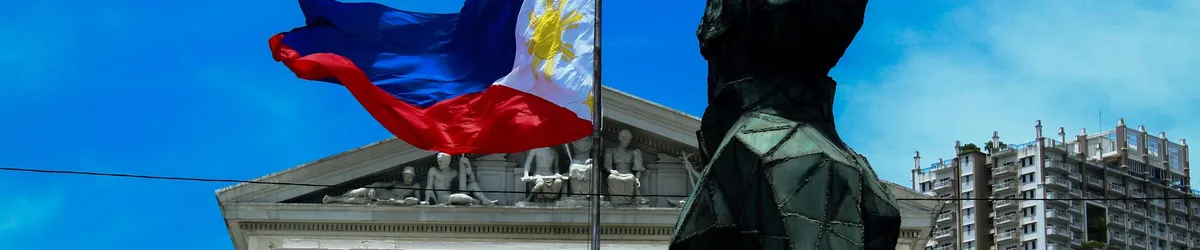
- Top image: “The Philippine flag waving before the National Museum of Fine Arts in Manila” by angela victorio
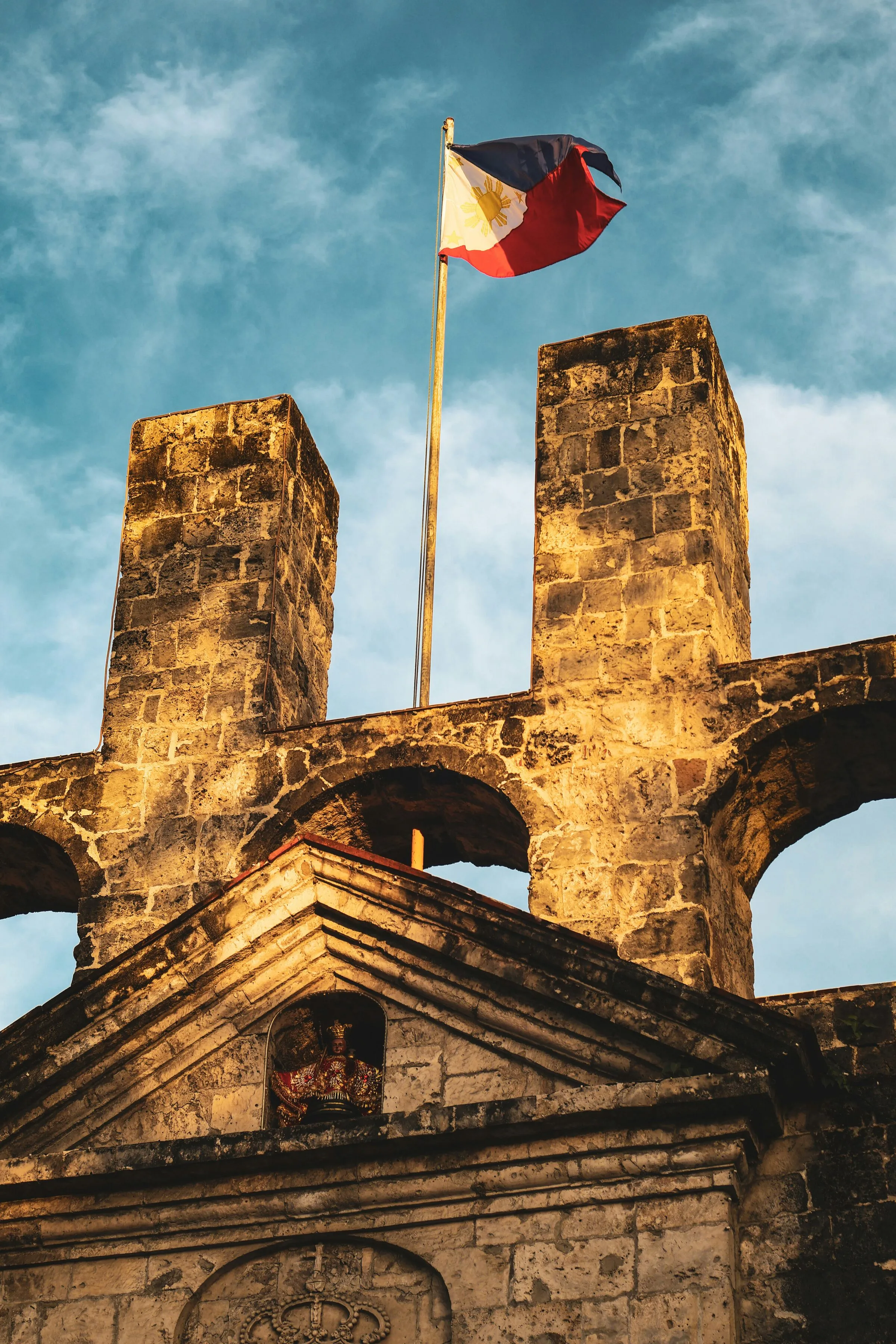
- Pay rules section: “The philippine flag flies over an old stone structure” by Francis Joe Adique