Undas: How the Philippines Spends All Saints' and All Souls' Day With Its Dead
culture03-11-2026
In most Western countries, the dead are visited quietly, briefly, and alone. In the Philippines, on the first two days of November, they get company—whole families of it, with food, folding chairs, candles, card games, and sometimes a tent for the night.
This is Undas: All Saints’ Day (Todos los Santos) on November 1 and All Souls’ Day (Araw ng mga Kaluluwa) on November 2. It is one of the biggest family events of the Filipino year, and for many households it matters as much as Christmas. If you have read our post on rural superstitions, Undas is where a lot of those beliefs about the dead come out into the open.
What Undas Is
- November 1 – All Saints’ Day. A Catholic feast honoring all the saints. In the Philippines, it is the main day families go to the cemetery.
- November 2 – All Souls’ Day. The day to pray for the souls of the departed. Many families visit on the 2nd instead, or stay through both days.
- The name. “Undas” is usually traced to the Spanish honras (“honors,” as in funeral honors), though some accounts link it to Spanish terms for the Day of the Dead.
In 2026, All Saints’ Day fell on a Sunday and All Souls’ Day on a Monday, and both were declared special non-working days (Proclamation No. 1006, with a DOLE labor advisory on holiday pay). That turned it into a long weekend, and much of the country went home to the province. See our post on Filipino Holidays for how special non-working days work.
The Traditions
Cleaning and Repainting the Tombs
Undas starts before November. In the weeks before, families go to the cemetery to clean, repair, and repaint graves—scrubbing off a year of mold, whitewashing concrete, and repainting names. Many cemeteries set a deadline for this work so the grounds are ready for the crowds; in 2026, Manila North Cemetery’s deadline for tomb cleaning and repainting was October 27.
Candles and Flowers
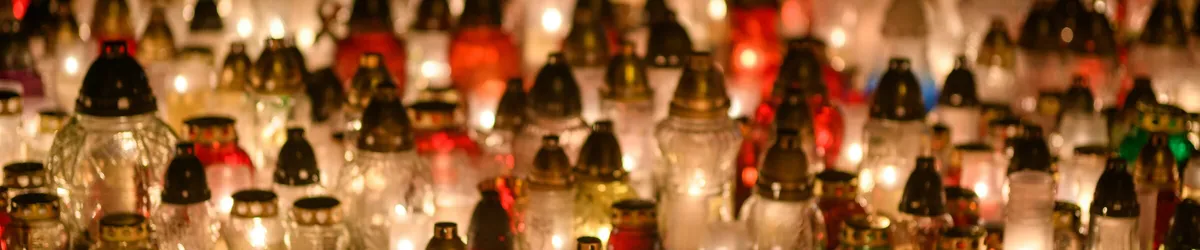
Every grave gets candles and flowers. After dark, a large Philippine cemetery on November 1 is a field of flickering light. Vendors outside the gates sell candles, flowers, and food in the days leading up to it.
Eating With the Dead
The heart of Undas is the family meal at the graveside. Relatives arrive with rice, pancit, adobo, lechon if the budget allows, snacks for the children, and drinks, and they eat together beside the people they came to remember. It is not considered morbid. It is a family reunion where some of the family happen to be buried.
Some families also set aside a portion of food for the dead. Specific offerings vary by place—in Aguilar, Pangasinan, for example, locals traditionally offer a rice dish called inlubi.
Staying the Night
In many places, families keep vigil overnight—camping beside the grave with mats, chairs, tents, and a lot of conversation. This depends heavily on local rules, though. Some cities and towns ban overnight stays in cemeteries for security reasons, and in some localities staying all night is considered taboo. Families there go home after a few hours and continue the reunion at the house.
Pangangaluluwa
Pangangaluluwa (from kaluluwa, “soul”) is a folk custom in which groups—traditionally dressed in white or wrapped in blankets to represent wandering souls—go house to house singing and asking for food or small gifts, playing the part of the dead asking to be remembered. It predates Halloween in the Philippines, and the modern version often looks a lot like trick-or-treating. It works much like Christmas caroling for coins, but for the souls. The custom is fading in cities but still survives in some provinces.
Regional Variations
- Sagada, Mountain Province – Families take part in pinag-aapoy, lighting bonfires of blessed pinewood beside the tombs to keep the spirits warm.
- Elsewhere – Bonfires, special local foods, and community prayers or songs at the cemetery vary from town to town.
Cities vs. Provinces
In the Cities
City Undas is a logistics exercise.
- Huge crowds. Manila North Cemetery expected around 2 million visitors for Undas 2026.
- Tight rules. Manila’s big cemeteries ban alcohol, gambling, firearms, sharp objects (including knives), pets, sound systems, and flammable liquids. Vehicles are barred from the grounds for several days around Undas. Visiting hours are set, and police and volunteers man help desks and “grave finder” stations.
- Traffic everywhere. Roads around cemeteries clog, and bus terminals and airports fill as people leave the city for the provinces.
- Memorial parks. Private memorial parks, with lawn-style graves, tend to be more orderly and quieter, but also busy.
- Halloween. In malls, schools, and condominiums, October 31 now brings Halloween parties and trick-or-treating, running side by side with the older traditions.
In the Provinces
Provincial Undas is a homecoming.
- Everyone comes back. Relatives working in Manila, in other provinces, or abroad come home if they can. For many families, Undas and Christmas are the two times a year everyone gathers.
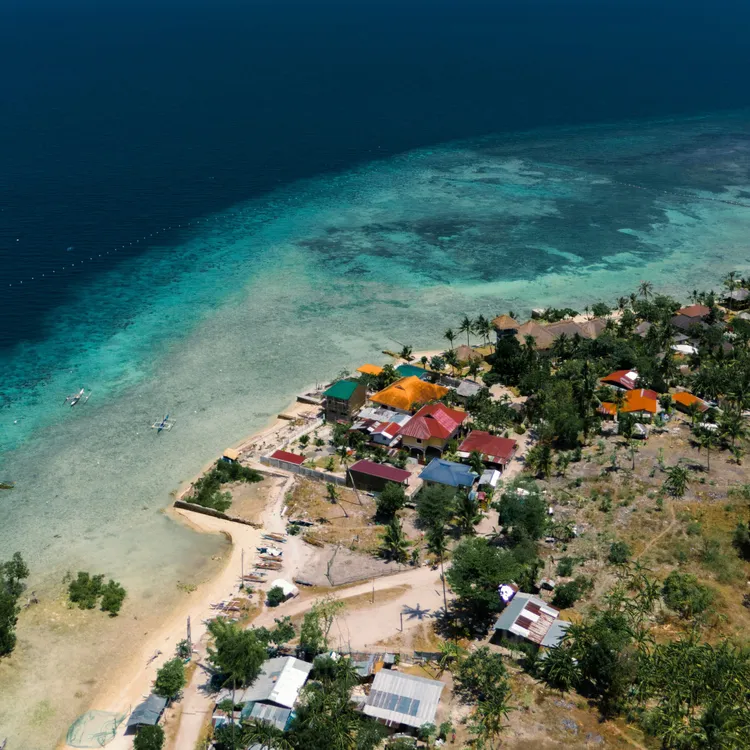
- Smaller, more personal cemeteries. Barangay and town cemeteries are familiar ground. Neighbors visit each other’s family plots, and the day feels like a fiesta held in a cemetery.
- Food is the center. Long meals at the graveside are more common, and more relaxed, than in the city.
- Local rules still apply. Some towns impose their own restrictions. In 2026, one Agusan del Sur town banned private vehicles, overnight stays, karaoke, and alcohol at its municipal cemetery during Undas.
- Older customs survive. Pangangaluluwa, bonfires, food offerings, and superstitions such as pagpag are more likely to be observed.
What It Means for Expats
- If you are invited, go. Being asked to join a family at the cemetery is a sign of acceptance. Bring something—food, drinks (where alcohol is allowed), candles, or flowers.
- Plan for the travel crush. Expect packed buses, ferries, and flights in the days before November 1, and heavy traffic around cemeteries. Book early or stay put.
- Check the rules. Before you go, check the cemetery’s or local government’s advisory for visiting hours, vehicle bans, and prohibited items.
- Dress for the weather. Bring water, an umbrella (for sun or rain), and insect repellent. Expect to sit for hours.
- Mind the mood. Undas is cheerful, social, and noisy—but it is still about the dead. Follow the family’s lead on prayers, photos, and jokes.
- Expect closures. Government offices, banks, and many businesses close on special non-working days.
Summary
Undas is:
- Two days, November 1 and 2, for the saints and the souls of the departed
- A family reunion held at the cemetery, with food, candles, flowers, and conversation
- Crowded and highly regulated in the cities, more relaxed and traditional in the provinces
- Rooted in Catholic practice and in older Filipino beliefs about the dead staying close to the living
As one anthropologist put it, remembering the dead in the Philippines is really about strengthening the ties among the living.
This year, my girlfriend and her family did what many Filipino families do on All Saints’ Day: they brought lunch to the cemetery where her grandparents are buried and ate together beside their graves.
Sources
- GMA News: Gov’t, cemeteries prepare for Undas 2026
- GMA News: Manila North Cemetery expects 2M visitors on Undas 2026
- Manila Bulletin: Manila North Cemetery sets Undas 2026 rules, deadlines
- Inquirer: Undas 2026 in Manila — grave finders, visiting hours, traffic advisories
- Province of Agusan del Sur: Agusan town sets Undas 2026 strict cemetery rules
- PhilSTAR Life: Unique Undas traditions in the Philippines
- GMA News: Contemporary Undas practices derived from pre-colonial influence, beliefs — cultural anthropologist
- Inquirer: Sleeping at cemeteries and other Filipino All Souls Day traditions
- Manila Bulletin: Undas, a very Pinoy way of remembering the dead
- Philippine News Agency: Returning to the roots of Filipino Undas
Thinking of Moving to the Philippines? Get Reliable Guidance
Online communities are helpful for general questions. For anything important, you still need accurate, professional, and updated information. E636 Expat Services helps foreigners with:
- Residency and long term visas
- Bank account opening
- Health insurance guidance
- Real estate assistance
- Business setup
- Retirement planning
- A smooth and secure transition into life in the Philippines
If you want to move with confidence instead of relying on random comments online, we can guide you every step of the way.
Book a consultation with E636 and start your journey the right way.
Image credits (via Unsplash, free under the Unsplash License):
- Top image: “Thousands of lit candles glowing in the dark” by Vitalii Onyshchuk