Tabi-Tabi Po: Superstitions in the Rural Philippines, and How Much People Still Believe Them
culture31-10-2026
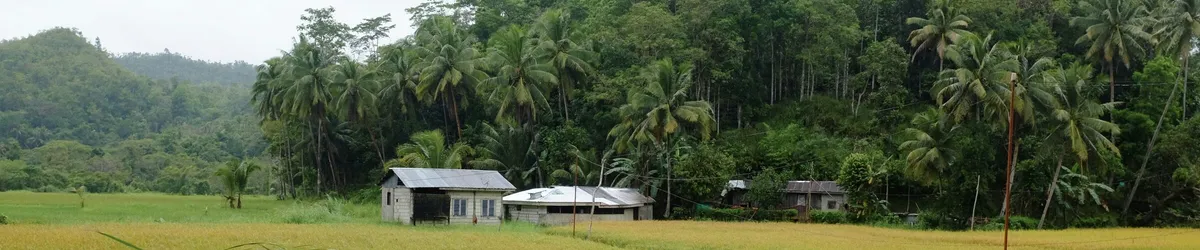
Walk past an anthill in the rural Philippines with a Filipino friend, and there is a good chance you will hear them murmur two words under their breath: tabi-tabi po. It roughly means “excuse me, please, coming through”—said not to you, but to whoever might be living in the mound.
The Philippines is a country of smartphones, call centers, and some of the highest social media use in the world. It is also a country where many people still ask permission before stepping on a termite mound, avoid sweeping during a wake, and take a sick child to the albularyo (folk healer) before—or alongside—the doctor. These beliefs are collectively called pamahiin: superstitions, folk beliefs, the things your lola (grandmother) told you not to do.
With All Saints’ Day and All Souls’ Day (Undas) a day away, this is a good time to look at the most common ones, where they come from, and how seriously people take them today.
The Nuno sa Punso: The Old Man of the Mound
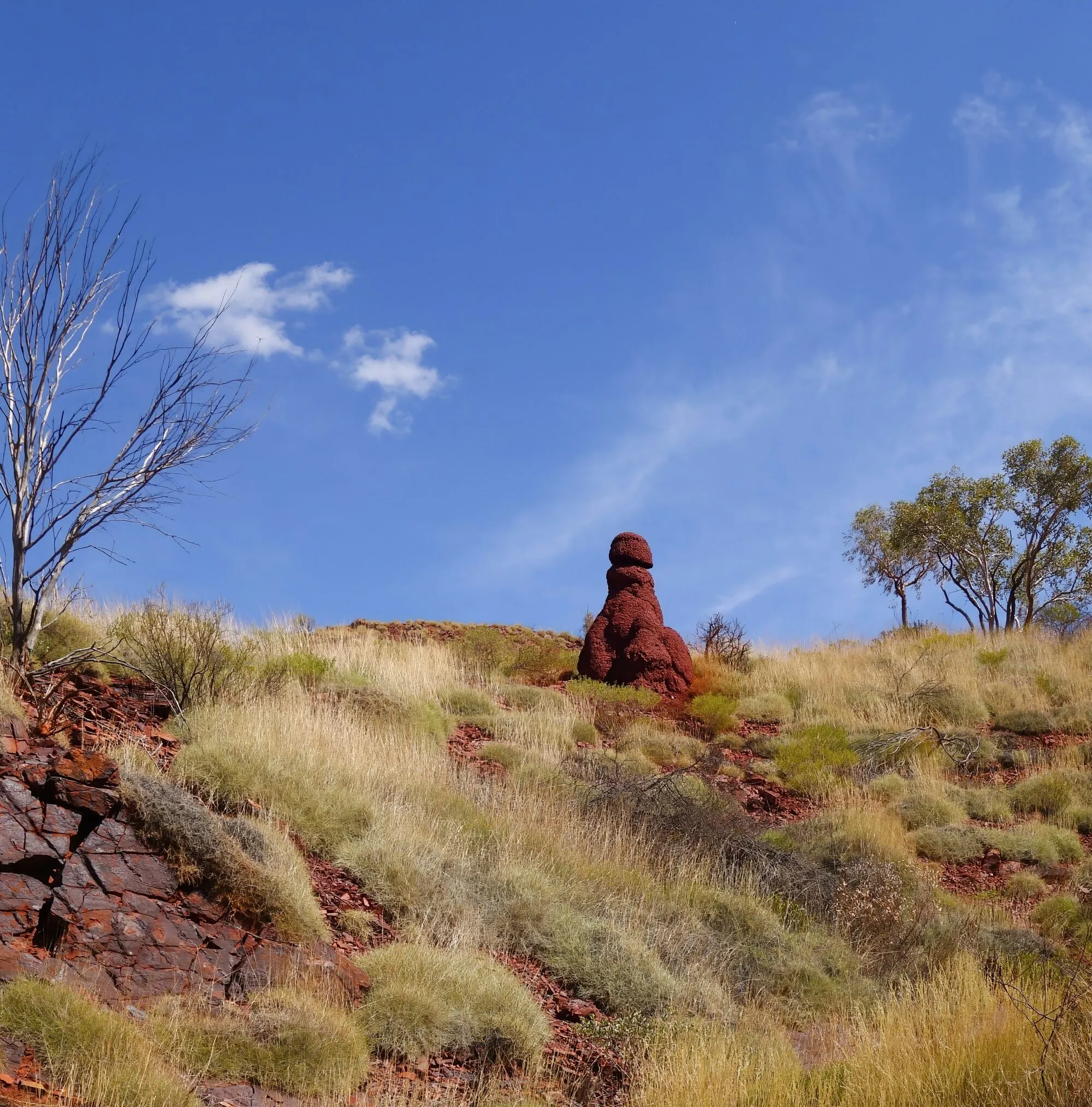
The best-known rural superstition involves the nuno sa punso—literally “the old man (or ancestor) of the mound.” In folklore he is a small, elderly, dwarf-like spirit who lives inside a punso: an anthill or termite mound in a field, yard, or the edge of a forest. Nuno is also the word for a grandparent or ancestor, and some accounts describe these beings as ancestral spirits.
What Happens If You Disturb the Mound
Accounts vary from region to region and teller to teller, but the core belief is consistent: the person who disturbs the mound is the one who suffers. That means anyone who:
- Steps on, kicks, or sits on the mound
- Urinates on it (the classic offense, and the one children are most often warned about)
- Destroys or digs it up
The punishment is usually described as illness, not general bad luck:
- Swelling of the feet, legs, or—for urinating on a mound—the genitals
- Rashes, boils, or unexplained skin problems
- Fever, body pain, or a sickness doctors “cannot explain”
Some versions are harsher (vomiting blood, dark urine), and the nuno is sometimes said to be especially offended by people who disturb his home on purpose to show they do not believe in him.
What About Farmers and Landowners?
You may hear a version in which clearing a mound brings misfortune to whoever farms the land—failed crops, sick workers, or trouble for the owner. This exists, but it is the less common form. Most published folklore sources focus on the individual who disturbed the mound. The farming versions tend to appear as local anecdotes, such as a story of a landowner whose crops withered after he leveled mounds for a road. Northern Luzon has a similar spirit, the Ilocano ansisit, said to prefer that farmers work the land in traditional ways rather than with machinery that might destroy its home.
In practice, the two ideas blend together. Farmers clearing land will often say tabi-tabi po, ask permission, or leave a small offering before a mound is leveled—covering both the person doing the work and the people who will farm the land afterward.
The Cure
If someone falls ill after an encounter with a punso, the traditional route is the albularyo. A common diagnostic ritual is pagtatawas, in which melted candle wax or alum is dripped into water and the shapes are “read” to identify the cause. Remedies may include asking the nuno for forgiveness, and offerings such as rice, eggs, a chicken, tobacco, coins, or liquor left at the mound.
What Is Actually in the Mound?
Often, termites. Many of the large mounds in Philippine fields and yards are built by mound-building termites such as Macrotermes gilvus, which is common in rural and forested areas. They grow fungus gardens inside the mound, and their mounds range from a few centimeters to more than a meter high. Smaller mounds may be ant nests.
That does not make the folklore pointless. Disturb a termite or ant colony and you may well end up with bites, stings, swelling, and rashes—especially on bare feet and legs. A belief that teaches children to leave mounds alone and not to urinate in the open has practical value either way.
Duwende: The House Dwarfs
Close cousins of the nuno are the duwende (from the Spanish duende), small beings said to live in trees, underground, in mounds, or inside houses. They are usually described as color-coded, though the codes vary by region:
- White duwende are generally helpful and may bring good luck
- Black duwende are tricksters—or, in some places, lucky
- Some regions add red (deceitful) or green (fond of children)
A household that treats its duwende respectfully, sometimes with small offerings of food, may be rewarded. Anger one, and the result is again usually a mysterious ache, swelling, or illness, treated by an albularyo. Many Filipinos, including educated city dwellers, will tell you a duwende story from their childhood—often told half as a joke and half not.
Other Common Pamahiin
Health and Children
- Usog – A child who falls ill after being greeted by a stranger or a “strong” person is said to have usog. Adults say “pwera usog” to prevent it, and a classic cure is for the greeter to touch a little saliva to the child’s forehead or stomach.
- Pasma – A folk illness blamed on sudden temperature changes, such as washing your hands in cold water after strenuous work or ironing. Tremors and sweaty palms are often blamed on it. It is one of the most widely held beliefs in the country, including in cities.
- Kulam – Witchcraft, usually blamed for illnesses that will not respond to treatment. In the Visayas, the related term is barang.
Death and Wakes
- Pagpag – After attending a wake, do not go straight home. Stop somewhere else first (a store, a restaurant) so that the spirit of the dead—or death itself—does not follow you home.
- No sweeping – The bereaved family does not sweep the house during the wake, so as not to sweep away the spirit of the deceased or invite another death in the family.
- Other common customs vary by family: not bathing in the house during the wake, avoiding red clothing, and not taking food home from the wake.
Home and Daily Life
- Tabi-tabi po – Said when passing through fields, forests, dark corners, or mounds, and before urinating outdoors.
- Midday rule – Children are often told not to play outside at noon or in the early afternoon, when spirits are said to be most active. (It also keeps them out of the worst of the sun.)
- Round fruits at New Year – Many households put out a dozen round fruits on New Year’s Eve for prosperity. See our post on New Year’s in the Philippines.
Aswang: The Monster Everyone Knows
No discussion of Philippine folklore is complete without the aswang, a catch-all term for shape-shifting, flesh-eating creatures of the night. The aswang appears in Spanish colonial records from centuries ago, and scholars have noted how little the core belief has changed since. Certain provinces have long carried a (resented) reputation as aswang country, and aswang stories are still used to keep children indoors after dark.
Few adults will say they believe in aswang outright. But many will avoid walking alone on dark rural roads at night—and not only because of the road.
How Much Do People Still Believe?
Honestly, nobody has measured it well. We could not find a nationally representative survey of how many Filipinos believe in the nuno, duwende, kulam, or aswang. What exists is qualitative research—interviews and fieldwork—and what it shows is consistent:
- Belief cuts across classes. A classic ethnographic study of Leyte and Samar found belief in witchcraft common across all segments of the population, in towns as well as villages.
- Folk healers are still a first stop. Research on folk illness in Camarines Sur found that despite the presence of doctors and clinics, the albularyo is still an early point of care for many residents. The medical anthropologist Michael Tan’s work on usog, pasma, and kulam documents how these ideas live alongside modern medicine rather than being replaced by it.
- The law recognizes traditional healing. The Traditional and Alternative Medicine Act of 1997 (RA 8423) created a government institute to study and regulate traditional medicine.
- People hedge. The most common attitude is not certainty but caution: wala namang mawawala—“there is nothing to lose.” Saying tabi-tabi po costs nothing. Taking a feverish child to both the doctor and the albularyo feels like covering every base.
Belief is generally stronger in the rural provinces, among older generations, and in communities where doctors are far away and expensive. But you will meet young, college-educated Filipinos in Metro Manila who still will not sweep during a wake.
What This Means for Expats
- Do not mock it. You will win no friends by laughing at the nuno sa punso. Treat it like any other cultural practice.
- Play along when it costs nothing. Saying tabi-tabi po on a farm path, or stopping for coffee after a wake, is a small courtesy that people notice.
- Ask before clearing land. If you are building or farming, ask neighbors or workers whether anything should be done before a mound or old tree is removed. Your crew may be reluctant to do the work otherwise.
- Medicine first—respectfully. If a family member wants to see an albularyo, the most constructive approach is usually “yes, and also the doctor.” See our post on the state of Philippine healthcare.
- Use the practical core. Many superstitions encode sensible rules: leave insect colonies alone, stay out of the midday sun, do not wander dark roads alone.
Summary
Rural Philippine superstitions are:
- Rooted in pre-colonial beliefs about spirits of the land and ancestors, layered with Spanish Catholicism
- Still widely practiced, even by people who say they do not believe
- Focused on respect—for the land, the dead, and elders
- Often grounded in practical sense, whatever you think of the spirits
Whether the nuno sa punso is real or just a very good way to keep kids from kicking termite mounds, the advice is the same: tabi-tabi po.
Sources
- Wikipedia: Nuno sa punso
- Wikipedia: Superstition in the Philippines
- The Aswang Project: Nuno sa Punso, The Mound Dweller
- The Aswang Project: Duwende Lore in the Philippines
- The Aswang Project: Witches and Witchcraft in Leyte and Samar
- Kyoto Review of Southeast Asia: In Search of Aswang
- JATI – Journal of Southeast Asian Studies (2020): folk illness and healing in Partido District, Camarines Sur
- Michael L. Tan, Revisiting Usog, Pasma, Kulam (UP Press, 2008)
- Rappler: Filipinos’ common beliefs about death
- Inquirer: A beginner’s guide to Filipino superstitions — funeral edition
- Culture Trip: Superstitions and taboos many Filipinos still believe in
- Professional Pest Manager: Macrotermes gilvus
Thinking of Moving to the Philippines? Get Reliable Guidance
Online communities are helpful for general questions. For anything important, you still need accurate, professional, and updated information. E636 Expat Services helps foreigners with:
- Residency and long term visas
- Bank account opening
- Health insurance guidance
- Real estate assistance
- Business setup
- Retirement planning
- A smooth and secure transition into life in the Philippines
If you want to move with confidence instead of relying on random comments online, we can guide you every step of the way.
Book a consultation with E636 and start your journey the right way.
Image credits (via Unsplash, free under the Unsplash License):
- Top image (Bohol): “Rice field with small houses and trees in view” by Alice Kotlyarenko
- Termite mound (Australia): “A tall red termite mound on a grassy hillside under a blue sky” by snap wander