Inflation Hits 7.8%: Rice, Fuel, and Hunger in the Philippines This Autumn
news07-11-2026

Philippine inflation climbed to 7.8% in October 2026, the fastest pace in more than three years. The Philippine Statistics Authority (PSA) released the figure on Thursday, November 5. A year ago, in October 2025, inflation was just 1.7%.
Behind the headline number are three stories that matter to anyone living here: transport and energy costs driven by the fuel shock, rice prices rising more than 20% from a year ago, and a jump in the number of Filipino families who say they have gone hungry.
Here is what the numbers say, where they disagree, and what they mean for expats.
The October Numbers
According to the PSA data, as reported by GMA News, the Daily Tribune, and Trading Economics:
- Headline inflation: 7.8% in October, up from 7.2% in September. Analysts had expected about 7.6%.
- Core inflation (excluding volatile food and energy): 5.4%, up from 4.8%—the highest since September 2023, per OneNews.
- Transport: 20.1%, up from 14.6%. PSA chief Claire Dennis Mapa identified faster transport cost increases as the main driver; GMA reports transport accounted for 62.9% of the month’s uptrend.
- Housing, water, electricity, gas, and other fuels: 9.3%, up from 8.4%.
- Rice: 20.7%, up from 20.3% in September. OneNews reports this is the highest since July 2024.
- Year-to-date average (January–October): 5.6%—well above the government’s 2–4% target range.
The September figure, released October 6, was itself a shock: 7.2%, matching the three-year high recorded in April and ending four months of easing. That month, inflation for the bottom 30% of households reached 9%, according to the Daily Tribune.
Flags on the figures:
- Food inflation: GMA reports food inflation eased to 6.4% from 6.8%. Trading Economics puts it at 6.1% from 6.7%. The direction is the same—food inflation eased slightly while rice climbed—but the exact numbers differ depending on which PSA category is being cited.
- September core inflation was first reported at 4.7% and later revised to 4.8%.
- “Highest since when?” Trading Economics calls October the highest since February 2023. The Daily Tribune compared it with 2022. Either way, it is the highest in more than three and a half years.
- Old data in the mix: If you search online, you will find articles about rice prices falling and inflation at 1.7%. Those are from 2025, when rice was in deflation. Check the year before you share.
Why Prices Are Rising
The short version: fuel.
Since the spring 2026 oil shock (we covered its start in The Global Oil Shock Hits Home), high diesel and gasoline prices have pushed up transport fares, freight costs, and electricity. Jeepney and bus fares rose on September 28, and that shows up directly in October’s transport figure.
Rice is the bigger worry for households. In September, the Daily Tribune attributed the rice increase to tighter domestic supply and higher transportation costs. The Bangko Sentral ng Pilipinas (BSP) also points to high global fertilizer prices, which are tied to the same Middle East tensions as oil. Rice remains the single largest contributor to inflation, according to the Department of Agriculture’s comments reported by GMA.
Hunger: 22.6%
The human side shows up in survey data. A Social Weather Stations (SWS) survey conducted September 21–27 found involuntary hunger at 22.6% of families, up from 20.3% in June, as reported by the Philippine Daily Inquirer via Asia News Network.
SWS defines involuntary hunger as “being hungry and having nothing to eat at least once in the past three months.”
- Moderate hunger: 16.2%
- Severe hunger: 6.4%
- The rate is 1.5 points above the 21.1% average during the 2020 pandemic.
- The survey had 1,500 respondents and a margin of error of ±3 points.
By area, according to the same report:
- Metro Manila: 27% (up from 21%)
- Luzon outside Metro Manila: 23.6% (up from 17.3%)
- Mindanao: 23.7% (roughly unchanged from 24%)
- Visayas: 16% (down from 22.3%)
The Government Response
The BSP has been raising interest rates since the oil shock began. On October 22, the Monetary Board raised its key policy rate by 50 basis points to 5.50%—a bigger move than economists expected and the fourth straight increase, for a cumulative 1.25 percentage points since March, according to the Daily Tribune. Governor Eli Remolona said, “The numbers we were looking at, the forecasts, were worse than we thought.” The BSP expects inflation to average about 6% in 2027 before returning to target in 2028. Its final policy meeting of the year is in December.
On the same day, the peso closed at a record low of ₱63.52 to the US dollar. Remolona said, “We’re not hiking the policy rate to defend the peso.”
On rice, the Department of Agriculture (DA) said on November 5 that it is:
- Expanding the ₱20-per-kilo rice program for vulnerable sectors
- Expanding Benteng Bigas, Meron Na! to cover households with senior citizens, solo parents, and persons with disabilities
- Continuing fuel and toll subsidies, financial aid, farm inputs, and crop insurance for farmers
- Keeping reduced tariffs on animal feed components such as corn
A ₱50-per-kilo price cap on imported 5% broken rice under Executive Order 118 is no longer in force. In early August, the DA shelved plans to extend it, saying market prices were then at or below the ceiling, according to Philstar. Agriculture Secretary Francisco Tiu Laurel Jr. also ruled out an import ban, citing the need for buffer stocks ahead of an expected El Niño. With rice inflation now above 20%, expect that debate to return.
Cities vs. Provinces
Inflation is a national number. The experience is not.
In the Cities
The October data shows inflation was lower in Metro Manila (5.9%) than in the rest of the country (8.2%), according to the Daily Tribune. That does not mean Manila is easy.
- Hunger is highest in the capital. Metro Manila’s involuntary hunger rate jumped to 27% in the SWS survey—the highest of any area. City families buy almost all of their food. They have no backyard garden or family rice field to fall back on.
- Rent and utilities. Housing, water, electricity, and gas costs rose 9.3% nationally. In the city, where rent is a large share of the household budget, this hits hard.
- Transport. Daily commuters are paying higher jeepney and bus fares on every leg of the trip.
- More choice. On the plus side, city residents can shop around—supermarkets, palengke, rice retailers, and government rice outlets like the ₱20 rice program.
In the Provinces
Outside Metro Manila, inflation ran hotter.
- Farmers are both producers and consumers. Many rice farmers sell their palay (unhusked rice) at harvest and buy milled rice later in the year. High retail prices do not automatically mean high farmgate prices—and fertilizer and diesel for pumps and tractors cost more than ever.
- Transport costs more, per trip. Goods travel farther to reach provincial markets, and higher freight costs pass through to the price of everything from canned goods to construction materials.
- Remittances matter. Many provincial households depend on money sent by family members abroad. A weak peso means each dollar, riyal, or yen sent home buys more pesos—a partial cushion against higher prices.
- Regional differences are real. Inflation varies widely by region. The PSA publishes regional breakdowns a few days after the national release—check your own region’s numbers rather than relying on the national average.
What It Means for Expats
If your income is in dollars, euros, pounds, or another foreign currency, you are better protected than most Filipinos. But not immune.
- Budget in pesos, but watch the exchange rate. The peso’s record low means your foreign income goes further. That helps offset higher local prices—for now. Exchange rates swing both ways, so do not build your budget on today’s rate.
- Shop the palengke. Wet markets are often cheaper than supermarkets for rice, vegetables, fish, and meat, and you can buy exactly what you need. Supermarkets offer consistency and receipts, but you pay for it.
- Buy rice smartly. Compare per-kilo prices across varieties and sellers. Buying a sack instead of by the kilo can save money if you have dry, pest-free storage.
- Lock in rent if you can. If your lease is up for renewal, negotiate a longer term at a fixed rate. Landlords facing higher costs will raise rents when they can.
- Watch your electricity bill. Utility costs are up 9.3%. Air-conditioning is often the biggest line item. Inverter units, fans, and solar can make a real difference.
- Rethink transport. With transport inflation at 20.1%, compare costs between ride-hailing, taxis, jeepneys, and rail. Combining errands into fewer trips helps.
- Higher rates cut both ways. If you have peso savings in time deposits, rates are rising. If you are borrowing in pesos for property or a car, loans are getting more expensive.
- Be aware of your neighbors. With more than one in five families reporting hunger, requests for help from staff, neighbors, or extended family may increase. Decide in advance how you want to handle them.
For a broader view of household budgets, see our guide to the Cost of Living in the Philippines—and add a margin for 2026 prices.
Summary
- Inflation reached 7.8% in October 2026, the highest in more than three years, with core inflation at 5.4%.
- Transport (20.1%) and rice (20.7%) are the biggest pressures, both linked to the fuel shock.
- Involuntary hunger rose to 22.6% in the September SWS survey, with Metro Manila at 27%.
- The BSP raised rates by 50 basis points to 5.50% in October; the peso hit a record low.
- The DA is expanding cheap rice programs, but the ₱50 imported rice price cap is no longer in force.
- For expats on foreign income, a weak peso softens the blow—but budgeting carefully, shopping at the palengke, and locking in rent are still wise.
Sources
- Daily Tribune: Inflation rockets to 7.8%
- GMA News: Inflation rises to 7.8% in October
- Trading Economics: Philippine inflation rate (October 2026)
- OneNews: Inflation heats up to 7.8% in October
- Daily Tribune: Philippine September inflation ties three-year high of 7.2%
- Asia News Network (Inquirer): Philippine involuntary hunger rate rises to 22.6% in September, survey shows
- Daily Tribune: BSP delivers jumbo 50-basis-point rate hike
- GMA News: DA to sustain subsidies, lower tariffs to reduce food supply chain costs
- Philstar: DA shelves rice cap plan, rules out ban on imports
Thinking of Moving to the Philippines? Get Reliable Guidance
Online communities are helpful for general questions. For anything important, you still need accurate, professional, and updated information. E636 Expat Services helps foreigners with:
- Residency and long term visas
- Bank account opening
- Health insurance guidance
- Real estate assistance
- Business setup
- Retirement planning
- A smooth and secure transition into life in the Philippines
If you want to move with confidence instead of relying on random comments online, we can guide you every step of the way.
Book a consultation with E636 and start your journey the right way.
Image credits (via Unsplash, free under the Unsplash License):
- Top image: “Crops are drying on the road near a rustic home” by Bernd 📷 Dittrich
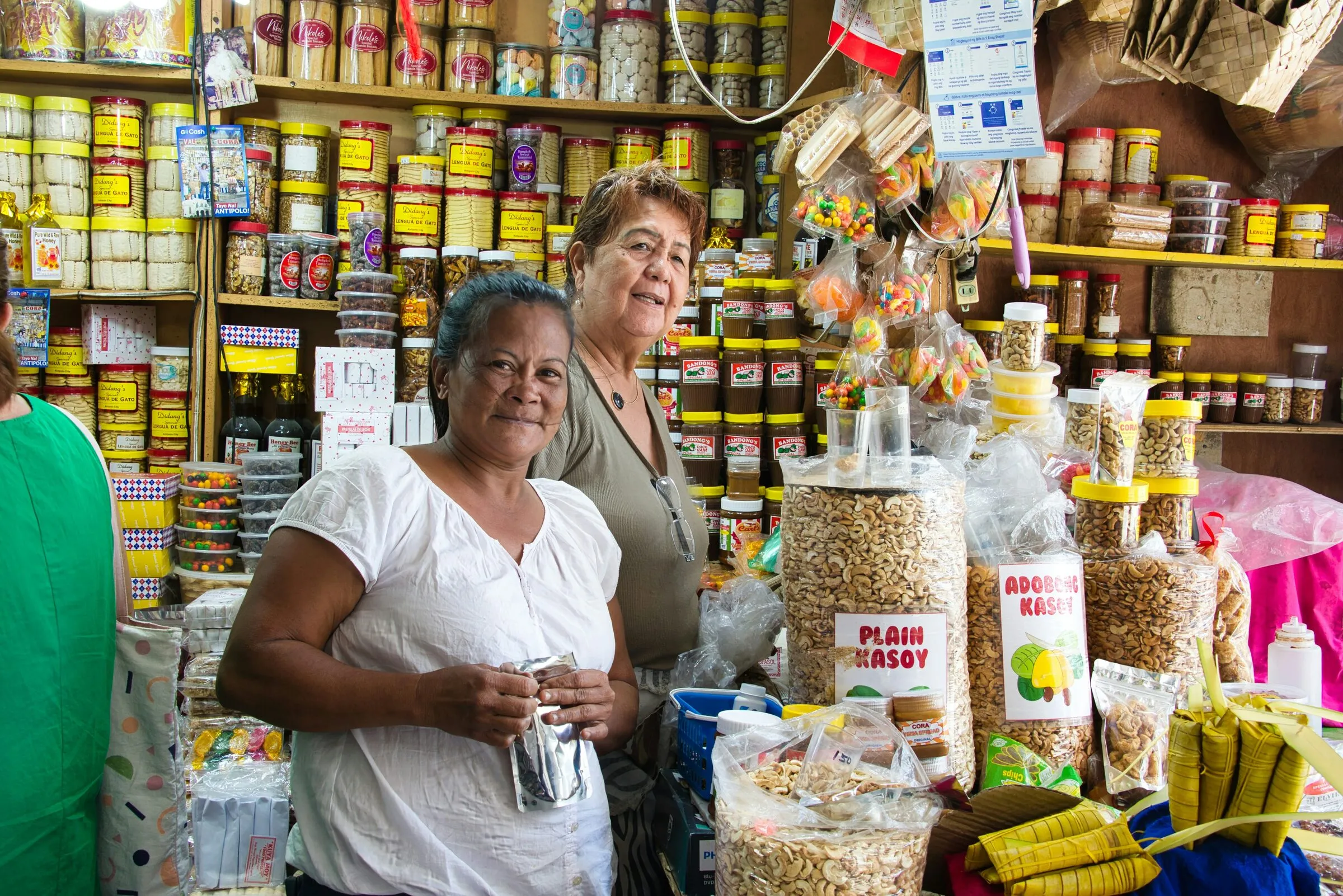
- Cities vs. Provinces section: “Two women in a market stall with food items” by Phillip Flores