Jeepney Fares Go Up: What the September 28 Fare Hike Means in the Cities and the Provinces
news30-09-2026

As of Monday, September 28, 2026, riding a jeepney in the Philippines costs a little more. The minimum fare on a traditional jeepney went from ₱13 to ₱14, and on a modern jeepney from ₱15 to ₱17. Buses, taxis, and ride-hailing cars went up too.
For most commuters, a peso or two sounds small. For a family taking several rides a day, six days a week, it is not. And for the drivers, the transport groups say, it is not nearly enough.
Here is what changed, why it took six months to arrive, and what it means if you live here on a foreign income.
How We Got Here
The fare increase is not new. It was approved back in March, at the height of the fuel shock that followed the closure of the Strait of Hormuz (we covered the start of that crisis in The Global Oil Shock Hits Home).
The timeline:
- March 17 — The LTFRB (Land Transportation Franchising and Regulatory Board) approved provisional fare increases for jeepneys, city and provincial buses, airport taxis, TNVS (ride-hailing) vehicles, and P2P buses, to take effect March 19.
- March 18 — President Ferdinand Marcos Jr. ordered the DOTr (Department of Transportation) to suspend the increase. “Let’s postpone it for now because we are in the middle of a situation where we need to continue to support our commuters,” he said, according to Philstar. In its place came Libreng Sakay (free ride) programs, MRT/LRT fare discounts, toll discounts, and ₱5,000 in financial assistance for PUV drivers.
- September 25–26 — Transportation Secretary Giovanni Lopez approved the LTFRB’s recommendation and lifted the suspension, citing “the continued rise in fuel prices and its impact on the transportation sector,” according to PhilSTAR Life. Bus companies had appealed for the freeze to end.
- September 28 — The new fares took effect, on the same day Manibela began a planned three-day transport strike.
In short, the hike that commuters were spared in March arrived in late September instead—at roughly the same size, but after six more months of high fuel prices.
The New Fares
According to reports from PhilSTAR Life, GMA News, and SunStar, the approved fares are:
Jeepneys (first 4 km):
- Traditional jeepney: ₱13 → ₱14; each succeeding kilometer ₱1.80 → ₱2.00
- Modern jeepney: ₱15 → ₱17; each succeeding kilometer ₱2.20 → ₱2.40
- Discounted fares (students, seniors, PWDs): ₱11.25 on traditional and ₱13.50 on modern jeepneys, as reported by SunStar Davao
Buses:
- Ordinary city buses (including Metro Manila): ₱13 → ₱15
- Air-conditioned city buses: ₱15 → ₱18
- Ordinary provincial buses: ₱11 → ₱12 minimum
- Air-conditioned provincial buses: higher per-kilometer rates
- P2P buses: up 15%
Taxis and ride-hailing:
- Airport taxis: flag-down rate for the first 500 meters up from ₱40 to ₱115
- TNVS (Grab and similar): up about 20%, depending on vehicle type
- Regular taxis: SunStar reports a provisional flag-down of ₱65 (from ₱50), with ₱80 and ₱95 for premium tiers
- UV Express: provisional rates of ₱2.60 per km (traditional units) and ₱3.00 per km (modern units), per SunStar Cebu
Flag on the figures: reports do not agree on everything. Some outlets describe the taxi and UV Express rates as provisional and subject to further LTFRB evaluation, while others say the regular taxi petitions were still pending. Treat taxi and UV Express figures as “subject to change” until the LTFRB fare matrices settle.
There is also confusion about the fare matrix. The DOTr directed that operators post updated fare matrices inside their vehicles before charging the new rates, and the ACTO transport group warned that jeepneys without a posted matrix would “run into trouble.” But LTFRB Acting Chairman Greg Pua was quoted by OneNews as saying “a fare matrix is not required to implement the fare increase,” and the Daily Tribune reported that drivers could collect the new fare without a printed matrix. In practice: if a driver asks for the new fare, it is almost certainly legitimate. If you are being charged more than the new rate, the official matrices are on the LTFRB website.
Why Transport Groups Say It’s Not Enough
The fare hike did not end the protests. It arguably sharpened them.
- Manibela chairman Mar Valbuena said the ₱1 increase came from a March petition, when pump prices were much lower, and that he hopes fares can rise by another peso, according to OneNews. Manibela called off its strike after one day.
- PISTON went ahead with a two-day strike on September 29–30. Its national president, Mody Floranda, said pump prices have risen so much that jeepney drivers are losing at least ₱1,000 a day. He claimed 70,000 to 100,000 drivers and operators joined nationwide, a figure Philstar noted it could not verify. PISTON has a pending petition to raise the minimum jeepney fare from ₱13 to ₱23.
- In Cebu, transport leader Greg Perez told SunStar the ₱1 increase does not address his group’s pending petition for a ₱10 hike.
The groups’ main demands are not about fares at all. They want lower pump prices and the suspension or removal of fuel taxes—both excise taxes and VAT on petroleum. PISTON is also calling for fuel prices to be cut to ₱55 per liter and for repeal of the Downstream Oil Industry Deregulation Act, according to Philstar.
Some relief has come on the fuel side. This week saw a diesel rollback of ₱7.57 per liter, and the excise taxes on kerosene and LPG were suspended again because the one-month average Dubai crude price was above the $80-per-barrel trigger, according to OneNews.
A note on numbers: the March increase was justified by the LTFRB on fuel prices of roughly ₱75 to over ₱90 per liter, according to Philstar. Manibela’s account puts March pump prices much lower. Whichever figure is right, every side agrees that diesel has been more expensive since then, not less.
Cities vs. Provinces
A national fare order lands very differently depending on where you are.
In the Cities
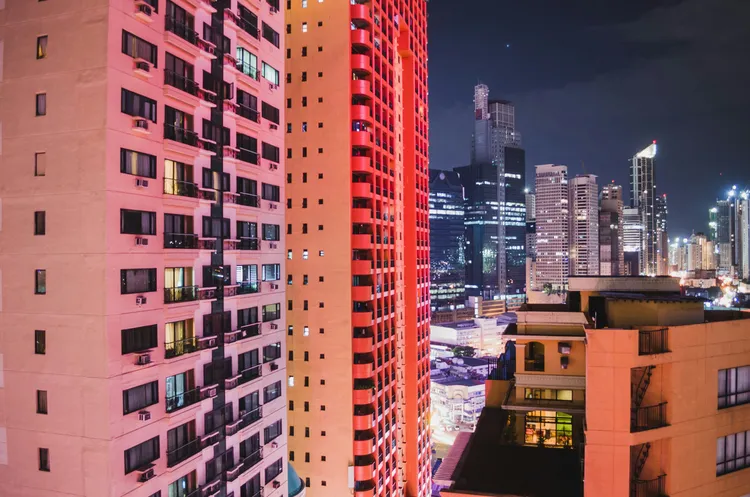
In Metro Manila, Metro Cebu, and Davao, the jeepney is one option among many. Commuters can mix jeepneys with city buses, the MRT and LRT in Manila, UV Express vans, taxis, ride-hailing, and motorcycle taxis.
- Modern jeepneys took the bigger hit. A ₱2 increase on a ₱15 fare is about 13%—higher than the 8% on a traditional jeepney. Modern units are far more common in big cities than in rural areas, so urban commuters feel this more.
- Multiple transfers add up. A typical Metro Manila commute can involve two or three rides each way. Two extra pesos per leg becomes ₱8–₱12 a day, or a few hundred pesos a month.
- Rail is outside this order. MRT and LRT fares are not set by the LTFRB and were not part of this adjustment. For routes where rail is an option, it has become relatively more attractive.
- Strikes matter less, but still matter. City commuters have alternatives during strike days, and LGUs and police deployed Libreng Sakay vehicles. Many drivers in Muntinlupa and Parañaque kept working through the PISTON strike because they could not afford to lose a day’s income.
In the Provinces
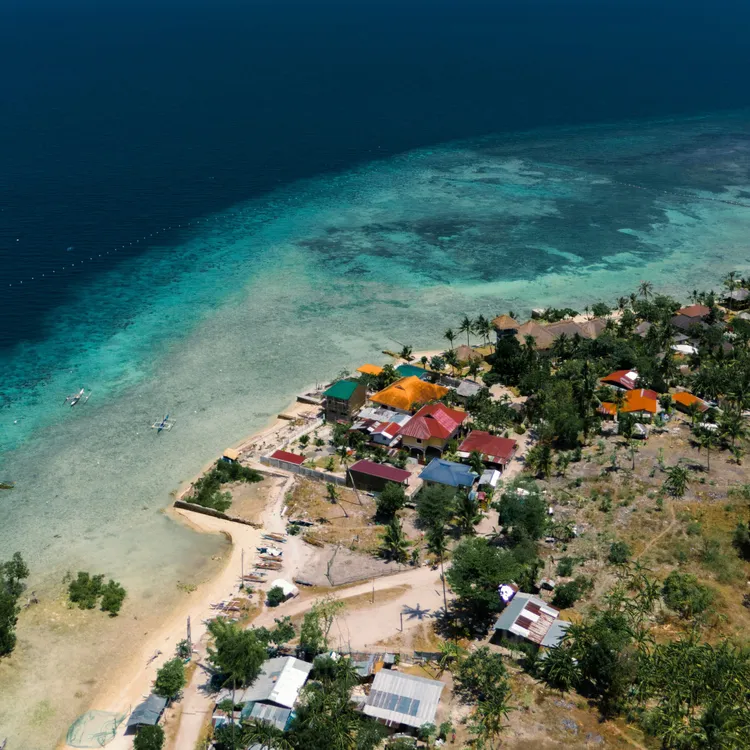
Outside the big cities, the picture is different—and in some ways harder.
- Tricycles are not covered. Tricycle fares are set by local governments, not the LTFRB. Each city or municipality passes its own ordinance. Several moved during the spring: Tagbilaran City in Bohol approved a provisional ₱5 increase on existing tricycle fares in March, and La Carlota City in Negros Occidental implemented provisional rates on April 1—from ₱15 for short trips in the poblacion to ₱60 for the farthest barangay. Others, including Davao City and General Santos, saw petitions and proposals. Your local fare depends on your local council.
- Habal-habal (informal motorcycle taxis) in rural areas are largely unregulated. Fares are negotiated, and they followed fuel prices up long before any official order.
- Distance is the real cost. In the provinces, rides are longer. The per-kilometer increase—₱1.80 to ₱2.00 on traditional jeepneys—matters more on a 20-kilometer trip into the town center than on a short city hop. Provincial bus riders also face higher per-kilometer charges.
- Fewer alternatives. There is no train, often no bus, and sometimes only one jeepney route. When drivers strike or cut trips to save fuel, many rural commuters simply wait—or walk.
- Wages lag. SunStar Cebu noted that the fare hike took effect before a scheduled ₱42 minimum wage increase in the region, a point not lost on commuters.
What It Means for Expats
For most foreigners living here on pensions or foreign income, a ₱1–₱2 fare increase is not a budget problem. But it is a signal, and there are a few practical points worth knowing.
- Carry small change. With odd fares like ₱11.25 and ₱13.50, and drivers still adjusting, exact coins and small bills avoid arguments. ₱20 and ₱50 bills are your friends.
- Know the new rate. Some drivers will round up. Most will not. If you ride regularly, know the minimum fare and the per-kilometer rate for your route. The LTFRB posts the matrices online.
- Expect ride-hailing to cost more. TNVS fares rose about 20%, and airport taxis nearly tripled their flag-down. If you fly in and out of NAIA often, budget accordingly.
- Consider rail in Manila. If your route allows it, the MRT and LRT are now relatively cheaper than they were last week.
- Ask your local tricycle fare. In the provinces, the barangay or municipal hall can tell you the official tricycle fare. Expect a “foreigner fare” sometimes—a friendly, firm question about the official rate usually settles it.
- Watch for knock-on effects. Transport costs feed into everything from vegetables at the palengke to delivery fees. Higher fares are one more sign that prices across the board are still moving up. Budget a little extra for the rest of the year.
- Plan around strike days. Transport groups announce strikes in advance. On those days, leave earlier, avoid long commutes, or stay home if you can.
If you are thinking of buying a car or motorcycle to avoid public transport, remember that you will be paying the same high pump prices the drivers are protesting.
Summary
- The jeepney fare increase approved in March and suspended by the President took effect on September 28, 2026.
- Traditional jeepneys went from ₱13 to ₱14, modern jeepneys from ₱15 to ₱17; buses, taxis, TNVS, and UV Express also rose, with some taxi and UV Express rates still provisional.
- Transport groups say the hike is too little, too late, and are pushing for lower pump prices and the suspension of fuel taxes. PISTON staged a two-day strike; Manibela called off its strike after one day.
- In the cities, commuters have alternatives like rail and buses. In the provinces, tricycle fares are set locally, rides are longer, and options are fewer.
- For expats, the direct cost is small—but it is another reminder that the fuel shock is still working its way through the economy.
Sources
- OneNews: Transport groups slam insufficient fare hike
- PhilSTAR Life: DOTr approves PUV fare hikes effective Sept. 28
- GMA News: PUVs must post fare matrix before charging higher fares — ACTO
- SunStar Cebu: Fare hike takes effect before wage increase
- SunStar Davao: Rising fuel costs force fare hikes across Davao Region
- Daily Tribune: Transport strike, fare hike start
- Philstar: Piston continues strike, Manibela ends protest
- Philstar: Marcos suspends fare hike
- Bohol Island News: Tagbilaran okays P5 provisional tricycle fare hike amid rising fuel costs
- Daily Guardian: La Carlota raises tricycle fares amid oil crisis
Thinking of Moving to the Philippines? Get Reliable Guidance
Online communities are helpful for general questions. For anything important, you still need accurate, professional, and updated information. E636 Expat Services helps foreigners with:
- Residency and long term visas
- Bank account opening
- Health insurance guidance
- Real estate assistance
- Business setup
- Retirement planning
- A smooth and secure transition into life in the Philippines
If you want to move with confidence instead of relying on random comments online, we can guide you every step of the way.
Book a consultation with E636 and start your journey the right way.
Image credits (via Unsplash, free under the Unsplash License):