Angat Dam Drops Below Critical Level as El Niño Takes Hold: What It Means for Your Water
news02-07-2026
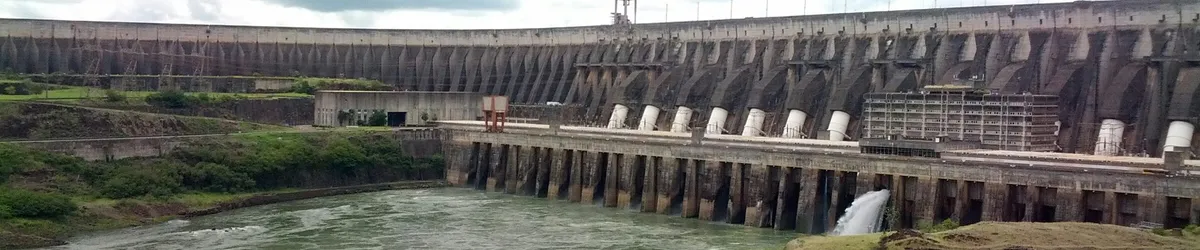
On June 30, 2026, PAGASA reported that Angat Dam, the reservoir that supplies most of Metro Manila’s water, had dropped below its 160-meter critical level. At 8 a.m. that day the reservoir stood at 159.95 meters, according to GMA News—roughly 20 meters below its normal minimum operating level, and at the start of what is shaping up to be a long El Niño.
Farms in Bulacan and Pampanga have already lost their irrigation. Metro Manila’s two water concessionaires say taps will keep running. Both things can be true for now. Here is what is happening, what the agencies and water companies are saying, and what to do about it wherever you live.
Angat in Numbers
Angat Dam in Bulacan is the backbone of Metro Manila’s water system. GMA News puts its share at about 90% of the water supplied to Metro Manila and parts of Rizal and Cavite; Philstar says more than 90%. It also irrigates farmland in Bulacan and Pampanga and generates hydroelectric power.
Three levels matter:
- Normal high water level – about 210 meters (GMA News) or 212 meters (Philstar); sources differ slightly
- Minimum operating level – 180 meters. Below this, irrigation is cut back or suspended and power generation stops, so domestic water for Metro Manila gets priority.
- Critical level – 160 meters. Below this, irrigation may be fully suspended and allocations to the concessionaires may be cut, which can mean rotational interruptions.
How We Got Here
- April 22: PAGASA raised an El Niño Alert, citing a 79% chance of El Niño developing in June–August and saying it could persist into early 2027 (Philstar).
- Mid-May: The National Water Resources Board (NWRB) said Angat had fallen to about 178 meters, below its minimum operating level, during the hot dry season, and reduced the irrigation allocation (Manila Bulletin).
- June 1: PAGASA warned of prolonged impacts if a very strong El Niño develops (Manila Bulletin).
- Late June: As the reservoir approached 160 meters, the NWRB cut Angat’s allocation to the Metro Manila concessionaires to 48 cubic meters per second (cms), down from the usual 52 cms (Daily Tribune).
- June 30: PAGASA reported the breach of the 160-meter critical level. PAGASA said El Niño conditions are now present in the tropical Pacific, with most climate models giving more than an 80% probability of a full El Niño event, likely lasting until early 2027 (GMA News).
- July 1: Philstar reported the level at 159.96 meters as of 11 a.m.—essentially flat, 4 centimeters below critical. The NWRB urged Metro Manila residents to conserve water.
PAGASA has also declared the start of the rainy season, and the southwest monsoon (habagat) does bring rain. The problem is that the rain so far has not been enough to refill major dams, and El Niño typically means less of it in the months ahead. What everyone is waiting for now is enough sustained rain over the watershed to refill it.
If you have been here a while, this will feel familiar. The 2019 Metro Manila water crisis, when Angat also fell to historic lows, brought rotational interruptions to many households. Maynilad’s chief operating officer referred to that 2019 low this week while explaining how the company has prepared differently this time.
What the Water Companies Say
Manila Water (East Zone)
Manila Water told the Daily Tribune on June 30 that East Zone customers should keep 24/7 service at normal pressure, and that it does not expect rotational interruptions or rationing. It is leaning on sources other than Angat:
- Upper Wawa Dam and Tayabasan Weir: up to 710 million liters per day (MLD)
- Calawis Water Supply System Phase 1: 80 MLD
- Cardona Water Treatment Plant (Laguna Lake): up to 110 MLD
- East Bay Phase 1 Treatment Plant (Laguna Lake): 50 MLD
Two more projects are due later this year: East Bay Phase 2 (200 MLD, commissioning from September) and the Kaysakat project (220 MLD, expected in October).
Maynilad (West Zone)
Maynilad, which calls Angat its main raw water source, told the Daily Tribune on July 1 that it has more safeguards than it did in 2019:
- Treatment capacity up from 2,700 MLD in 2019 to 2,873 MLD, through modular plants, NEW WATER recycling facilities, and deep wells
- 450 MLD of combined capacity from its Laguna Lake plants (Putatan 1 and 2 and Poblacion)
- Reservoir storage up from 692 million liters in 2019 to 780 million liters, with more under construction
- Standby water tankers and stationary tanks ready if localized interruptions occur
Maynilad has not announced Angat-related rotational interruptions as of this writing. It also has not ruled them out. Neither company can make rain.
Cities vs. Provinces
In the Cities
For now, Metro Manila is protected by the rules: when Angat runs low, domestic water has priority over irrigation. That is why the reduced allocation is so far a 4-cms trim for the cities and a full stop for the farms.
What city residents may see if the dry spell continues:
- Lower water pressure, especially on upper floors and at the edges of the network
- Scheduled nighttime interruptions in some barangays
- Water tankers in affected areas
- Conservation appeals—and, if the 2019 experience is a guide, long lines at public faucets in the hardest-hit spots
Condo dwellers usually have a building cistern and booster pumps, which smooths out short interruptions. Houses on the end of a long line do not.
There is an electricity angle too. When Angat drops below its minimum operating level, it stops generating hydropower, which reduces reserve capacity on the Luzon grid—not welcome news after this year’s Philippine energy crisis.
In the Provinces
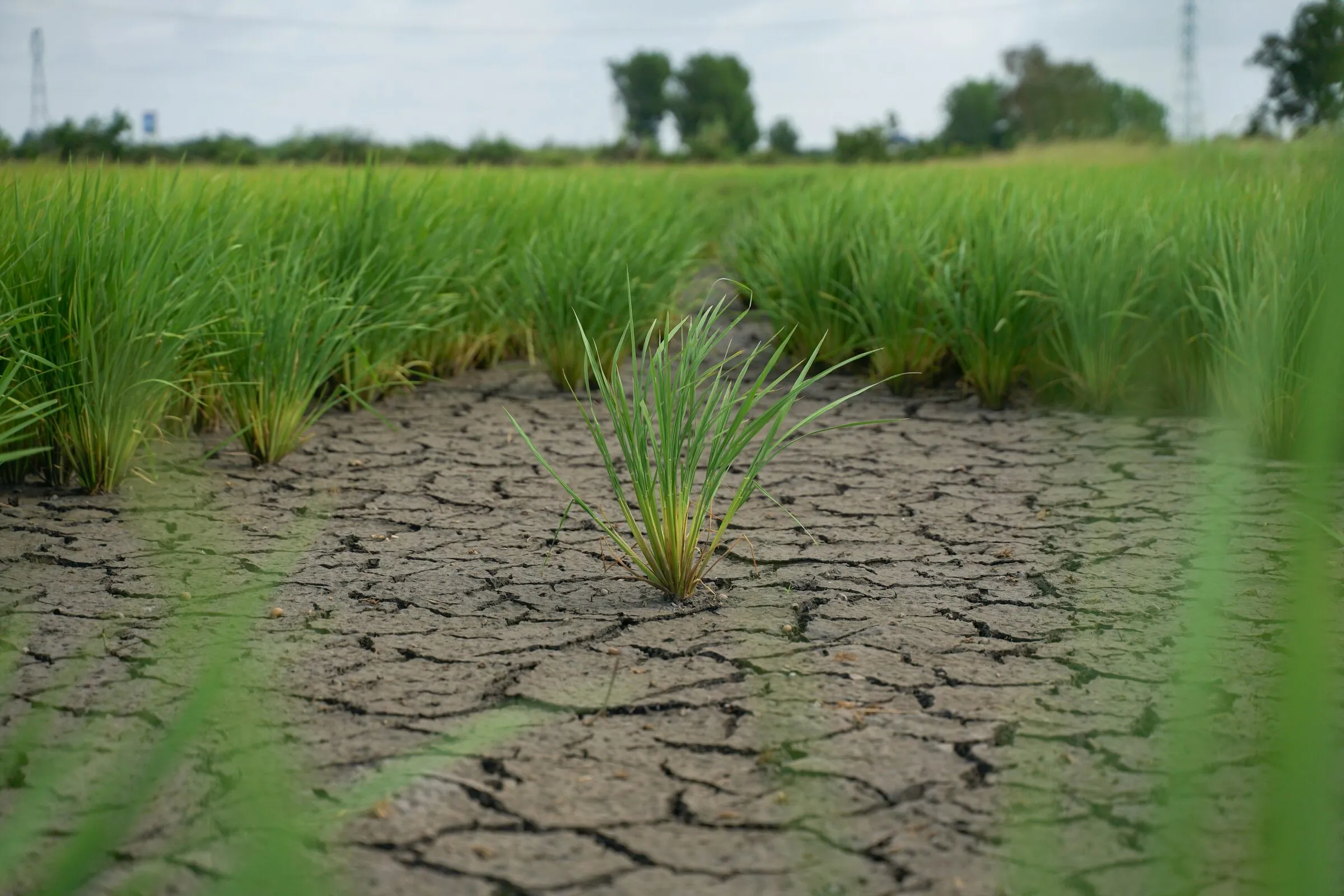
The pain is in the provinces first. According to Philstar, irrigation for about 25,000 hectares of rice farms in Bulacan and parts of Pampanga—fed from Angat through the Bustos Dam—is on hold. The National Irrigation Administration’s Central Luzon chief, Christian Manalo, said Angat can resume releases to Bustos once the reservoir reaches 185 meters or more. A release scheduled for July 15 has been deferred, and a local irrigators’ association leader told Philstar a planned August 15 release is uncertain.
For farmers, that means delayed planting for the wet-season crop, more spent on pumps and diesel where groundwater is available, and lost income where it is not.
Beyond Angat’s service area, most of the rural Philippines does not run on a big reservoir at all. Provincial towns rely on:
- Water districts and barangay systems fed by springs, wells, and small rivers—many of which run low in a prolonged dry spell
- Private deep and shallow wells, which can drop or turn brackish near the coast
- Rainwater collected from roofs into drums and tanks
In a strong El Niño, those small sources fail quietly and locally. There is no NWRB bulletin for your barangay’s spring. You find out when the pressure drops.
What It Means for Expats
The water companies’ assurances are genuine, but El Niño is expected to last into early 2027. Prepare for a long dry spell, not a short one.
- Know your concessionaire and follow its advisories. Metro Manila’s West Zone is served by Maynilad and the East Zone by Manila Water. Both post interruption schedules on their websites and Facebook pages. Outside Metro Manila, follow your local water district’s page.
- Store water. At minimum, keep several days of drinking and washing water in clean, covered containers. For a house, a water tank (plastic or stainless, typically 500 to 2,000 liters) with a float valve fills when the supply is on and carries you through interruptions.
- Add a pump if pressure is weak. A tank-and-pump setup—an elevated tank feeding by gravity, or a ground tank with a booster pump and pressure tank—turns intermittent supply into steady pressure. Size the pump for your house and get a competent plumber.
- Filter and treat. Low pressure and interruptions raise the risk of contamination in the pipes. Use a reliable drinking-water filter or buy purified water, and flush the line for a minute after service resumes.
- If you have a well, check it now. Measure the water level and watch for changes in taste or color. Shallow wells are the first to go.
- Collect rainwater when it does rain. Even a simple gutter-and-drum setup helps for flushing, cleaning, and gardens.
- Fix leaks and cut waste. A running toilet can waste a surprising amount of water. Use a basin, not a running tap; wash cars with a bucket; water plants in the early morning.
- Expect higher food prices. Less irrigation means less rice and vegetables later in the year.
For a broader look at how water works in Philippine homes—tanks, pumps, filters, and wells—see our post on Water.
Summary
- Angat Dam fell below its 160-meter critical level on June 30, 2026, after dropping below its 180-meter minimum operating level in May.
- PAGASA says El Niño conditions are present, with a full El Niño likely lasting until early 2027.
- The NWRB has cut Angat’s allocation to the Metro Manila concessionaires from 52 to 48 cms. Irrigation for about 25,000 hectares in Bulacan and Pampanga is on hold.
- Manila Water says it expects no rotational interruptions; Maynilad says it is better prepared than in 2019 and has tankers on standby.
- In the provinces, wells, springs, and small water systems will feel El Niño without making the national news.
- Store water, add a tank and pump if you can, filter what you drink, and follow your water provider’s advisories.
Sources
- GMA News: Angat Dam dips below 160-m critical level, could affect irrigation, power supply
- Philstar: Angat Dam dips below critical level
- Manila Bulletin: NWRB: Angat’s water level now below minimum operating level; irrigation allocation reduced
- Manila Bulletin: Prolonged impacts possible if very strong El Niño develops, PAGASA warns
- Philstar: PAGASA raises alert for possible El Niño by mid-2026
- Daily Tribune: Manila Water says no water interruptions despite El Niño
- Daily Tribune: Maynilad boosts El Niño readiness as Angat Dam levels fall
Thinking of Moving to the Philippines? Get Reliable Guidance
Online communities are helpful for general questions. For anything important, you still need accurate, professional, and updated information. E636 Expat Services helps foreigners with:
- Residency and long term visas
- Bank account opening
- Health insurance guidance
- Real estate assistance
- Business setup
- Retirement planning
- A smooth and secure transition into life in the Philippines
If you want to move with confidence instead of relying on random comments online, we can guide you every step of the way.
Book a consultation with E636 and start your journey the right way.
Image credits (via Unsplash, free under the Unsplash License):
- Top image: “a view of a large dam with water coming out of it” by Thiago Santos
- Cities vs. Provinces section: “A single green rice plant growing in the middle of cracked dry earth” by Irish83