Diesel Up More Than ₱100 a Liter: How the Fuel Price Shock Is Emptying Jeepney Routes
news11-04-2026
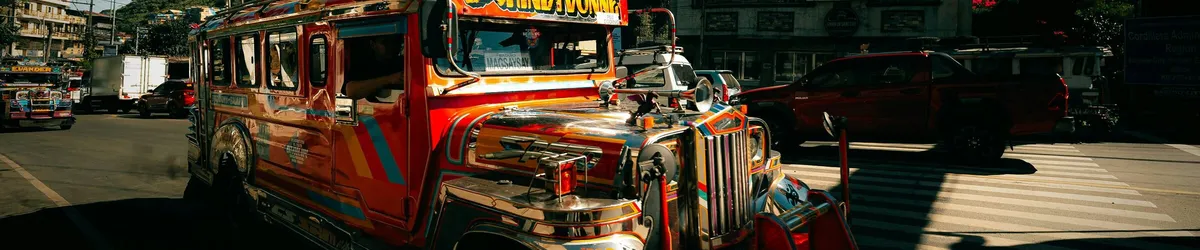
Six weeks after war in the Middle East closed the Strait of Hormuz, the fuel price shock has reached the most familiar vehicle in the Philippines: the jeepney. This week, diesel increases since late February passed ₱100 per liter in cumulative terms, and jeepney operators in Metro Manila and Cebu began parking units because running them no longer pays.
We covered the start of this crisis in The Global Oil Shock Hits Home. This post looks at what happened in the first ten days of April, who is feeling it, and what it means if you live here or are planning to.
What Happened
The short version: diesel went up again on Tuesday, April 7, by close to ₱20 a liter, on top of a month of weekly increases.
According to the Philippine Star, the April 7 adjustments included:
- Petron: diesel +₱18.80, gasoline +₱4.90, kerosene +₱8.10 per liter
- Shell: diesel +₱19.80, gasoline +₱5.90, kerosene +₱9.10 per liter
- Jetti Petroleum: diesel +₱18.60, gasoline +₱5.40 per liter
The same report put cumulative diesel increases since the war began in late February at more than ₱100 per liter, with kerosene and premium diesel in Metro Manila on track to go beyond ₱170 per liter. Gasoline was approaching ₱120.
For context, the Philippines imports almost all of its oil, most of it from the Middle East. The Daily Tribune puts the Middle East share at 95 to 98 percent.
The Policy Backdrop
- National energy emergency. President Marcos declared a state of national energy emergency on March 24, giving the government extra powers over fuel procurement, distribution, and hoarding.
- Fuel excise tax. Republic Act 12316, signed March 25, lets the President suspend or reduce fuel excise taxes (₱6 per liter on diesel, ₱10 on gasoline) once Dubai crude averages $80 a barrel for a month. Philstar reported that, because the law takes effect 15 days after publication, the earliest an order could be issued was around April 12 or 13. Transport groups have said a ₱6 cut would barely dent diesel at current prices.
- Fuel subsidies. A ₱5,000 fuel subsidy for drivers began rolling out in mid-March. The Liga ng Transportasyon at Operators ng Pilipinas (LTOP) told Philstar that delivery has fallen short—one chapter submitted 168 qualified members and only 31 received aid.
- Fares. The LTFRB approved fare increases effective March 19. The minimum traditional jeepney fare went from ₱13 to ₱14, and modern jeepneys from ₱15 to ₱17.
- Free rides. On April 7, the LTFRB announced free rides on selected jeepney routes and EDSA Carousel buses in Metro Manila starting April 15, under its service contracting program, with covered routes in places like Davao City and Cagayan de Oro as well.
Energy Secretary Sharon Garin has said lowering prices “remains a government priority.” Late in the week, a two-week conditional ceasefire between the United States and Iran pushed global prices down, and the Tribune reported initial estimates of a diesel rollback of ₱5.50 to ₱6.50 per liter the following week. Garin also cautioned that pump prices are not expected to return to pre-war levels soon, because damaged energy facilities in the Middle East will take years to rebuild.
The Jeepney Problem
A jeepney runs on diesel, carries passengers at regulated fares, and is often still being paid off. When diesel doubles and the fare goes up by a peso, the math stops working.
The numbers reported this week:
- Metro Manila modern jeepneys: The National Federation of Transport Cooperative told the Daily Tribune that modern jeepney operations in Metro Manila had dropped from about 9,000 units to about 1,000. Diesel was costing operators ₱5,000 to ₱6,000 per unit per day, and driver-operators were taking home ₱300 to ₱500 a day.
- Traditional jeepneys: LTOP president Orlando Marquez told Philstar on April 6 that half of LTOP’s operators had stopped plying their routes, and the other half could follow by April 8. He called it “not a strike but a halt.”
- Cebu: SunStar reported on April 7 that Cebu’s operating modern jeepneys had fallen from about 1,000 to around 600. One operator, Fitam Transport, had 40 of its 120 units running. Drivers who used to clear ₱1,000 to ₱1,500 a day were taking home less than ₱200, or nothing.
Modern jeepneys are hit especially hard. Operators took on loans to buy them under the modernization program, and those amortizations come due whether the units run or not. Several cooperatives have cut the “boundary” (the daily rental a driver pays the operator) and reduced driver rotations to two or three days a week.
One caution on the numbers: these figures come from transport federations and cooperatives, not from a government count, and they describe different fleets. They are best read as a picture of the trend, not a census.
Knock-On Effects
Fuel is an input to almost everything, so the shock spreads.
- Inflation. The PSA reported on April 7 that March inflation jumped to 4.1%, from 2.4% in February—the fastest since July 2024. Transport inflation was 9.9%, and diesel prices were up 59.5% year on year. Food inflation rose to 3%. April’s figure, which will capture this month’s hikes, is not out yet.
- Fishers. The fisherfolk group PAMALAKAYA told DZRH that in Rosario, Cavite, only about 3,000 of 5,000 registered fishers could still go to sea regularly. Ten liters of diesel had gone from ₱560 to ₱1,240. The report said around half of municipal fisherfolk had been forced to stop fishing, and some were looking for construction work instead.
- Farmers. Pumps, tractors, and the trucks that carry produce to market all run on diesel. The Department of Agriculture has announced a ₱100-million fuel subsidy (₱5,000 each for 14,400 farmers and ₱3,000 each for 15,669 fisherfolk with motorized boats), plus a separate ₱10-billion fund that would give ₱2,325 each to 4.17 million farmers and fisherfolk, according to Philstar.
- Tricycles. The tricycle runs on gasoline rather than diesel, so it has been hit less hard—but it is the main transport in most towns, and drivers earn very little. Senators cited in a March BusinessMirror report put average tricycle driver earnings at ₱363 a day. Tricycle drivers are included in the ₱5,000 cash aid, with payouts outside Metro Manila starting April 8.
Cities vs. Provinces
The same price shock looks different depending on where you are.
In the Cities
In Metro Manila, Cebu, and Davao, the problem is mostly availability. There are still jeepneys, but fewer of them, running less often. That means:
- Longer waits at terminals and on the road, especially at rush hour
- More people squeezing into trains, buses, and ride-hailing cars
- Higher costs for anyone who drives, though many city households have alternatives
Davao felt it early. GMA Regional TV reported on March 17 that a gas station on McArthur Highway ran out of gasoline the night before amid a rush to fill up ahead of a price increase, and some jeepney and taxi drivers said they were thinking of quitting.
Cities also get the policy response first. The first subsidy payouts started in Metro Manila before moving to the regions, and the free-ride program begins there on April 15.
In the Provinces
Outside the cities, the problem is distance and dependence.
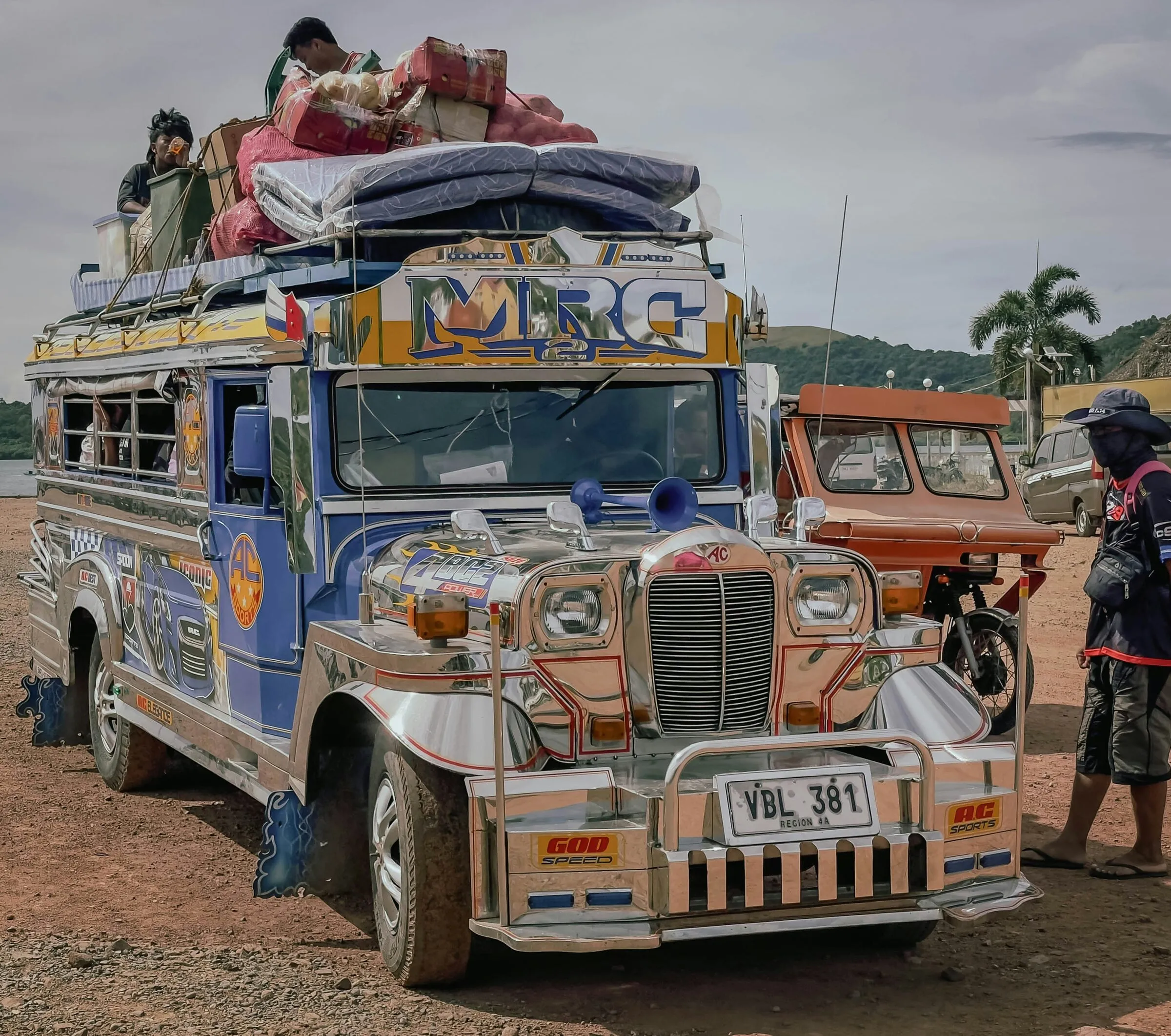
- Fewer routes to begin with. When a provincial jeepney stops running, there may be no bus or train to fall back on—just a long tricycle ride at a much higher per-person cost.
- Jeepneys in the provinces often carry produce, sacks of rice, and goods to market. When they stop, it affects what is on the shelves, not just commuting.
- Fishing and farming towns are directly exposed. A fishing boat with an outboard motor is a diesel or gasoline business, and so is a rice farm with a hand tractor and an irrigation pump.
- Islands rely on boats and trucks for nearly everything. Freight costs rise with every fuel increase, and those costs end up in the price of goods at the sari-sari store.
Rural incomes are also lower, so the same ₱20 increase takes a bigger bite. For more on how infrastructure gaps shape life outside the cities, see our post on rural Philippine infrastructure.
What It Means for Expats
Most foreigners here feel this as an inconvenience rather than a hardship. Still, a little planning helps.
- Budget for higher transport costs. If you drive, recalculate your monthly fuel budget at current prices, not January’s. If you rely on jeepneys, allow for more tricycle and ride-hailing trips when routes are thin.
- Expect slower commutes. Leave earlier for appointments, especially immigration, bank, and medical visits in the cities.
- Watch your grocery bill. Food price increases tend to lag fuel by a few weeks. Fish and vegetables that travel far are usually the first to move.
- Plan for electricity costs. Fuel prices feed into power generation. Check your monthly bill and consider whether air-conditioning habits need adjusting.
- Keep a small fuel and cash buffer. In some areas, stations have run short during price rushes. Don’t hoard—but don’t let the tank run to empty either.
- Have a backup plan for travel. Inter-island trips, domestic flights, and provincial buses can change schedules or fares on short notice. Confirm before you go.
- Use official sources. The DOE posts weekly pump price monitoring; the LTFRB posts fare and route updates on its official Facebook page; your city or municipal LGU will announce local subsidies and free-ride routes.
- Be patient with drivers. The jeepney driver asking for exact change is likely taking home a few hundred pesos a day right now.
For a broader look at monthly expenses, see our cost of living guide—and add a margin for fuel this year.
Summary
- Diesel prices in the Philippines have risen by more than ₱100 per liter since late February, with another big hike on April 7.
- Metro Manila’s modern jeepney fleet in operation reportedly fell from about 9,000 to about 1,000; half of one major operator federation stopped plying routes; Cebu’s modern jeepneys dropped by about 40 percent.
- The government has declared an energy emergency, rolled out ₱5,000 subsidies, approved fare increases, and announced free rides from April 15. An excise tax suspension could come as early as mid-April.
- A ceasefire has eased global prices, and a small rollback is expected—but officials say prices will not return to pre-war levels soon.
- Cities face fewer rides and longer waits; provinces face lost routes, higher freight costs, and direct hits to fishing and farming incomes.
For expats, the practical response is simple: budget higher, plan for slower travel, and check official sources before you move around.
Sources
- Philstar: Diesel price hikes surpass P100/liter since Middle East tensions
- Philstar: Wider stoppage seen: Jeepney operators stop plying routes over fuel prices
- Daily Tribune: Fuel price shock decimates jeepneys
- SunStar Cebu: Cebu modern jeepneys face collapse as fuel prices soar
- GMA Regional TV: PUVs in Davao City may halt ops temporarily as fuel prices surge
- GMA News: Inflation accelerates to 4.1% in March amid fuel price shock
- DZRH: Around half of municipal fisherfolk forced to halt fishing activities due to soaring oil prices
- Philstar: Free rides in Metro Manila begin April 15
- The Freeman: Take effect on Thursday: Fare hike approved
- BusinessMirror: Philippines faces economic shock, mass OFW exodus as Middle East war escalates
Thinking of Moving to the Philippines? Get Reliable Guidance
Online communities are helpful for general questions. For anything important, you still need accurate, professional, and updated information. E636 Expat Services helps foreigners with:
- Residency and long term visas
- Bank account opening
- Health insurance guidance
- Real estate assistance
- Business setup
- Retirement planning
- A smooth and secure transition into life in the Philippines
If you want to move with confidence instead of relying on random comments online, we can guide you every step of the way.
Book a consultation with E636 and start your journey the right way.
Image credits (via Unsplash, free under the Unsplash License):
- Top image: “A colorful jeepney drives through a city” by ART CAGS
- Cities vs. Provinces section: “Colorful jeepney overloaded with luggage and passengers” by Bernd Dittrich